


Do Sleep Medications like Ambien Increase Your Blood Pressure?
Does Ambien increase blood pressure? Some sleeping pills may affect your blood pressure. Learn more about sleep aids from GoodRx.

Eszopiclone, also known by its brand name Lunesta, is a sedative-hypnotic that's used as a sleeping pill. It treats insomnia in adults. It can help you fall asleep faster and wake up fewer times during the night. The dosage is taken right before bedtime, with at least 7 to 8 hours until you need to wake up. Side effects include a bad taste in your mouth and headache. Eszopiclone (Lunesta) is a controlled substance because it has a potential risk of misuse and dependence.

Eszopiclone (Lunesta) is a sedative-hypnotic. It's also sometimes called a "Z-drug."
It's not exactly clear how the medication works. But it's thought to affect a chemical in the brain called gamma-aminobutyric acid (GABA) in the brain. GABA helps calm brain activity, which can help you sleep.
| Common Brands | Lunesta |
|---|---|
| Drug Class | Sedative-hypnotic |
| Controlled Substance Classification | Schedule IV |
| Generic Status | Lower-cost generic available |
| Availability | Prescription only |

Eszopiclone (Lunesta) can cause some serious health issues. This risk may be even higher for certain groups. If this worries you, talk to your doctor or pharmacist about other options.
 Eszopiclone (Lunesta) can sometimes cause unusual behaviors while you're not fully awake. These can include sleepwalking, driving, eating, making food, or having sex. You might not remember doing these things the next morning. These behaviors can sometimes lead to serious injuries or accidents.
The risk might be higher if you take eszopiclone (Lunesta) with other sleep medications or sedatives. It might also be higher if you drink alcohol with eszopiclone (Lunesta). But these behaviors can also happen when you take eszopiclone (Lunesta) by itself at the recommended dose.
If you or someone else notices these behaviors, stop taking eszopiclone (Lunesta) and tell your prescriber right away.
Eszopiclone (Lunesta) can make you feel sleepy the next morning. It can also make you less alert or unsteady. This can raise the risk of falls or injuries, especially in older adults.
The risk can be higher if you take eszopiclone (Lunesta) with other medications that make you sleepy, such as opioids, benzodiazepines, and certain antidepressants. It can also be higher if you drink alcohol with eszopiclone (Lunesta).
Only take eszopiclone (Lunesta) at bedtime when you can get 7 to 8 hours of sleep. Don't drive or do anything dangerous until you know how it affects you.
Rarely, people taking eszopiclone (Lunesta) can have unusual thoughts or behaviors. This can include feeling more anxious, aggressive, or outgoing than usual. Some people might act strangely or feel like they're having an out-of-body experience. Others might sometimes have trouble remembering things. Tell your care team right away if you notice any unusual changes in your mood or behavior while taking eszopiclone (Lunesta).
Rarely, eszopiclone (Lunesta) can cause serious allergic reactions. Signs can include swelling of the face, tongue, or throat, which can make it hard to breathe. It can also include nausea, vomiting, trouble breathing, throat tightness, or other signs of anaphylaxis. Get medical help right away if you have these symptoms. Don't take eszopiclone (Lunesta) again if you've had an allergic reaction to it before.
Withdrawal symptoms can happen if you suddenly stop eszopiclone (Lunesta) or lower your dose too quickly. Symptoms can include trouble sleeping again, anxiety, unusual dreams, nausea, or upset stomach. Don't stop or lower your dose without talking to your prescriber first. They can help you slowly lower your dose to reduce the risk of withdrawal.
If you have depression, eszopiclone (Lunesta) can sometimes make it worse. Some people taking sleep medications like eszopiclone (Lunesta) have had thoughts of suicide. Tell your prescriber if you have depression before starting treatment. Get help right away if your depression gets worse or you have thoughts of hurting yourself.

The following side effects may get better over time as your body gets used to the medication. Let your healthcare provider know immediately if you continue to experience these symptoms or if they worsen over time.
Contact your healthcare provider immediately if you experience any of the following.
Along with its needed effects, a medicine may cause some unwanted effects. Although not all of these side effects may occur, if they do occur they may need medical attention.
Check with your doctor immediately if any of the following side effects occur:
More common
Chills
hoarseness
lower back or side pain
painful or difficult urination
sleepiness or unusual drowsiness
Less common
Bladder pain
bloody or cloudy urine
confusion
discouragement
fear or nervousness
feeling sad or empty
frequent urge to urinate
general feeling of discomfort or illness
headache
irritability
joint pain
lack of appetite
loss of interest or pleasure
muscle aches and pains
nerve pain
seeing, hearing, or feeling things that are not there
shivering
sweating
trouble concentrating
trouble sleeping
unusual tiredness or weakness
vomiting
Get emergency help immediately if any of the following symptoms of overdose occur:
Symptoms of overdose
Change or loss of consciousness
difficult or troubled breathing
irregular, fast or slow, or shallow breathing
pale or blue lips, fingernails, or skin
sleepiness or unusual drowsiness
Some side effects may occur that usually do not need medical attention. These side effects may go away during treatment as your body adjusts to the medicine. Also, your health care professional may be able to tell you about ways to prevent or reduce some of these side effects. Check with your health care professional if any of the following side effects continue or are bothersome or if you have any questions about them:
More common
Bad, unusual, or unpleasant (after) taste
belching
change in taste
dizziness
indigestion
stomach discomfort, upset, or pain
Less common
Abnormal dreams
accidental injury
decreased interest in sexual intercourse
inability to have or keep an erection
pain, cramps, or heavy bleeding (females)
rash
swelling of the breasts or breast soreness (in both males and females)
Incidence not known
Change in sense of smell
loss of memory
problems with memory
Other side effects not listed may also occur in some patients. If you notice any other effects, check with your healthcare professional.
Call your doctor for medical advice about side effects. You may report side effects to the FDA at 1-800-FDA-1088.




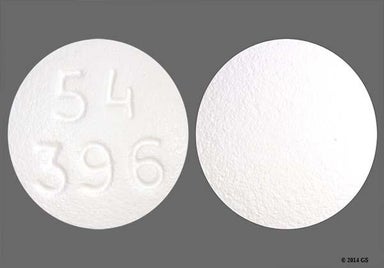
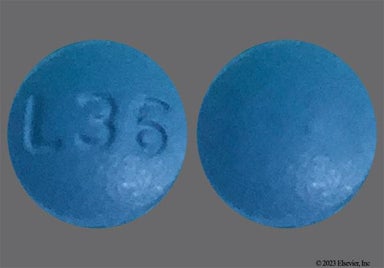
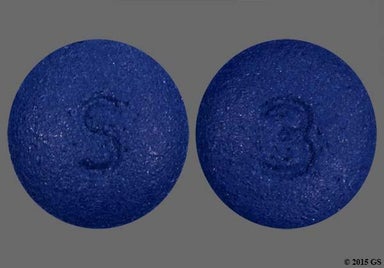
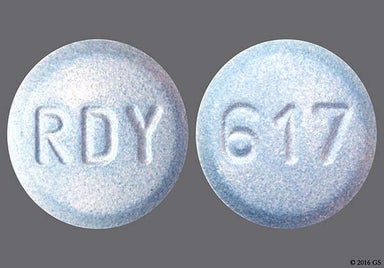
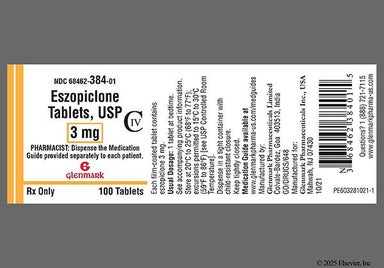
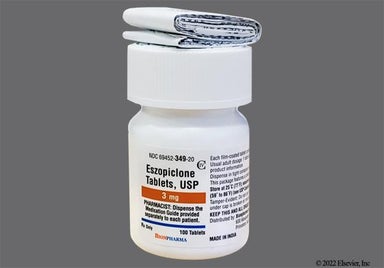
 Tablet
| Dosage | Quantity | Price as low as | Price per unit |
|---|---|---|---|
| 1mg | 30 tablets | $13.12 | $0.44 |
| 2mg | 30 tablets | $12.58 | $0.42 |
| 3mg | 30 tablets | $12.67 | $0.42 |
The typical starting dose is 1 mg by mouth once right before bedtime, with at least 7 or 8 hours of sleep remaining.
Your prescriber might adjust your dose based on how well the medication works and if you have side effects.

Although certain medicines should not be used together at all, in other cases two different medicines may be used together even if an interaction might occur. In these cases, your doctor may want to change the dose, or other precautions may be necessary. When you are taking this medicine, it is especially important that your healthcare professional know if you are taking any of the medicines listed below. The following interactions have been selected on the basis of their potential significance and are not necessarily all-inclusive.
Using this medicine with any of the following medicines is not recommended. Your doctor may decide not to treat you with this medication or change some of the other medicines you take.
Using this medicine with any of the following medicines is usually not recommended, but may be required in some cases. If both medicines are prescribed together, your doctor may change the dose or how often you use one or both of the medicines.


Contraindications are specific health conditions or situations in which a person should not take a medication due to safety concerns. If you have any of the following conditions or if any of the following apply to you, let your healthcare provider know because Eszopiclone (Lunesta) will not be safe for you to take.

















Prescription savings
Stop paying too much for your prescriptions. Compare prices, get pharmacy coupons, and save up to 80%. Find expert answers to your health questions so you can make the best decisions for yourself and your family.
Health conditions
Medications & treatment
Access & affordability
Medication discounts


Yes, Lunesta is a schedule IV controlled substance. This means that it has some risk of misuse and dependence. Because it's controlled, there are some limits on prescription refills. Take Lunesta only as prescribed to help lower these risks. Talk to your prescriber if you have other concerns.
Lunesta starts working soon after you take it. It reaches its highest level in your body in about 1 hour. That's why you should take it right before bedtime. But it might take longer to start working if you take it with or soon after a heavy, high-fat meal. Ask your prescriber if you have questions about how long it should start to work.
After a single dose, Lunesta can stay in your body for a little over a day. This is based on the medication's half-life, or how long it takes your body to remove half of the medication. Lunesta might stay in your body longer if you're an older adult or if you take certain medications that interact with it. Ask your prescriber if you have questions about how long Lunesta stays in your system.
Lunesta and Ambien are both prescription medications for insomnia. Lunesta can help you fall asleep and stay asleep. Regular Ambien mainly helps you fall asleep. There's also an extended-release version, Ambien CR, that can help with both. Both medications can cause next-day sleepiness. Talk to your prescriber to compare in detail.
You shouldn't drink alcohol with Lunesta. Alcohol can make side effects worse. These can include sleepiness, dizziness, and headache. It can also lower the quality of your sleep. Talk to your prescriber if you have questions about avoiding alcohol while taking Lunesta.
Some people have reported weight gain with Lunesta, but it isn't a common side effect. Tell your care team if you notice unexpected weight gain while taking this medication. They can help figure out what might be causing it.
It depends on how your prescriber told you to take Lunesta. It can be prescribed for nightly use, but only take it that way if your prescriber tells you to. How often and how long you should take Lunesta depends on your sleep problem and how it works for you. Your prescriber might also recommend trying good sleep habits and cognitive behavioral therapy for insomnia (CBT-I). Talk to your prescriber about a treatment plan that works best to help you sleep better.
