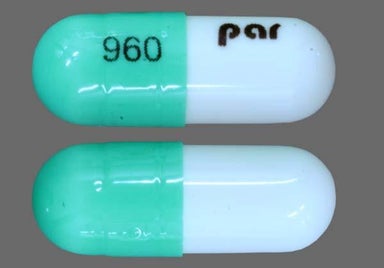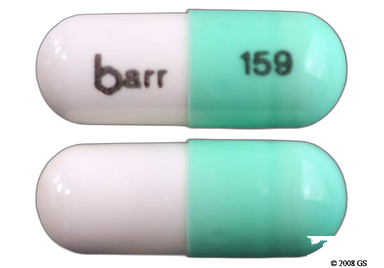
chlordiazepoxide
Chlordiazepoxide is used for the short-term relief of anxiety symptoms. It can also prevent alcohol withdrawal symptoms, like seizures. This medication has a risk of addiction, so it's classified as a schedule IV controlled substance. Your dose will depend on the reason why you're using it, your age, and your other health conditions. Some possible side effects of chlordiazepoxide include drowsiness, trouble with balance and movement, and confusion. Chlordiazepoxide comes as a capsule, and is available as a brand name and a lower-cost generic.


What is Chlordiazepoxide?
What is Chlordiazepoxide used for?
- Alcohol withdrawal
- Preoperative anxiety and anxiety disorders
How Chlordiazepoxide works
Chlordiazepoxide is a benzodiazepine. Researchers aren't exactly sure how chlordiazepoxide works, but it's thought to slow down activity in your brain to help control anxiety and symptoms of alcohol withdrawal.
Drug facts
| Common Brands | Librium |
|---|---|
| Drug Class | Benzodiazepine |
| Controlled Substance Classification | Schedule IV |
| Generic Status | Lower-cost generic available |
| Availability | Prescription only |

Risks and warnings for Chlordiazepoxide
Chlordiazepoxide can cause some serious health issues. This risk may be even higher for certain groups. If this worries you, talk to your doctor or pharmacist about other options.
Risks while also taking opioids
- Risk factors: Taking chlordiazepoxide with opioids
 Combining chlordiazepoxide with certain pain medications called opioids can cause a life-threatening interaction that can cause you to be extremely sleepy and/or stop breathing. It's very important not to combine chlordiazepoxide with opioids unless you're under close supervision of a healthcare provider. Get emergency help if you feel like you are having trouble breathing after taking chlordiazepoxide. Educate those around to keep an eye out for these side effects as well.
Potential for addiction, misuse, dependence, and withdrawal
- Risk factors: History of substance misuse | Alcohol use | Taking chlordiazepoxide for a long time | Stopping chlordiazepoxide suddenly
Chlordiazepoxide is a controlled medication because there's a high risk for addiction and misuse. In some cases, this can lead to overdose and death. Your body can also become dependent on the medication, even if you're taking it as exactly as directed. Your provider will help prevent these risks by prescribing you the lowest dose of chlordiazepoxide for the shortest time needed to treat your symptoms.
Talk to your provider before stopping this medication. Suddenly stopping the medication can lead to serious medical problems, including seizures. If you need to stop, your provider can help slowly lower your dose over time to prevent withdrawal symptoms, such as nausea and diarrhea. Though rare, some people have experienced withdrawal symptoms that lasted for weeks to more than a year.
Effect on driving and concentration
- Risk factors: Drinking alcohol | Taking other medications that cause drowsiness
Chlordiazepoxide can make you feel very sleepy and affect your concentration and reaction time. Drinking alcohol while taking chlordiazepoxide and taking additional medications that make you feel drowsy can make this effect worse. Avoid activities that require you to be alert, like driving or operating machinery, until you know how the medication affects you.
Harm to babies
- Risk factors: Taking chlordiazepoxide while pregnant
Chlordiazepoxide can cause harm to your baby if you take the medication while you're pregnant. Newborn babies whose mothers took chlordiazepoxide during pregnancy have experienced serious issues like trouble breathing, drowsiness, irritability, and poor feeding. If you're planning to become pregnant or are currently pregnant, speak with your provider about the best options for your condition.

Side effects of Chlordiazepoxide
The following side effects may get better over time as your body gets used to the medication. Let your healthcare provider know immediately if you continue to experience these symptoms or if they worsen over time.
Common Side Effects
- Drowsiness
- Confusion
- Loss of coordination (clumsiness)
Less Common Side Effects
- Skin reaction
- Fluid retention (body holds onto water)
- Irregular periods
- Nausea
- Constipation
- Movement problems
- Change in sex drive
Chlordiazepoxide serious side effects
Contact your healthcare provider immediately if you experience any of the following.
- Severe sedation: drowsiness, slowed breathing, confusion, memory problems, slurred speech, loss of consciousness
- Withdrawal symptoms: uncontrolled movements, blurred vision, trouble with sleep or memory, muscle pain and stiffness, vomiting, panic attacks, restlessness, irritability, hallucinations, convulsions or seizures, suicidal thoughts
The following Chlordiazepoxide side effects have also been reported
Along with its needed effects, a medicine may cause some unwanted effects. Although not all of these side effects may occur, if they do occur they may need medical attention.
Check with your doctor immediately if any of the following side effects occur:
Rare
Fainting
mood or mental changes
shakiness and unsteady walk
unsteadiness, trembling, or other problems with muscle control or coordination
Incidence not known
Abdominal and muscle cramps
chills
clay-colored stools
convulsions
cough or hoarseness
dark urine
difficulty in speaking
dizziness
fever with or without chills
general feeling of tiredness or weakness
headache
light-colored stools
loss of appetite
loss of balance control
lower back or side pain
muscle trembling, jerking, or stiffness
painful or difficult urination
pale skin
rash
restlessness
shakiness in the legs, arms, hands, or feet
shuffling walk
sores, ulcers, or white spots on the lips or in the mouth
stiffness of the limbs
stomach pain
sweating
swelling
trouble sleeping
twisting movements of the body
unable to sleep
uncontrolled movements, especially of the face, neck, and back
unpleasant breath odor
unusual bruising or bleeding
unusual tiredness or weakness
vomiting of blood
yellow eyes or skin
Get emergency help immediately if any of the following symptoms of overdose occur:
Symptoms of overdose
Change in consciousness
lack of coordination
loss of consciousness
sleepiness or unusual drowsiness
Some side effects may occur that usually do not need medical attention. These side effects may go away during treatment as your body adjusts to the medicine. Also, your health care professional may be able to tell you about ways to prevent or reduce some of these side effects. Check with your health care professional if any of the following side effects continue or are bothersome or if you have any questions about them:
Incidence not known
Decreased interest in sexual intercourse
difficulty having a bowel movement (stool)
inability to have or keep an erection
increased in sexual ability, desire, drive, or performance
increased interest in sexual intercourse
loss in sexual ability, desire, drive, or performance
menstrual changes
skin blisters
Other side effects not listed may also occur in some patients. If you notice any other effects, check with your healthcare professional.
Call your doctor for medical advice about side effects. You may report side effects to the FDA at 1-800-FDA-1088.

Pros and cons of Chlordiazepoxide
Pros
- Available as a lower-cost generic
- A first-choice treatment option for alcohol withdrawal
- Can be used in children age 6 and older
- Dose can be adjusted by your provider based on your response
Cons
- Controlled medication due to the risk of addiction, misuse, and dependence
- Risk of more side effects in older adults
- Can cause withdrawal if suddenly stopped
- Should only be used short-term

Pharmacist tips for Chlordiazepoxide

- Avoid alcohol and opioid medications while taking chlordiazepoxide. These can interact and cause dangerous side effects, including slow breathing, feeling extremely tired, and can even cause coma or death.
- For anxiety, use chlordiazepoxide for the shortest amount of time possible. It's not meant for long-term use.
- Common side effects of chlordiazepoxide include sleepiness and difficulty concentrating. Don't drive or do anything that requires a lot of concentration until you know how the medication affects you.
- Many medications can interact with chlordiazepoxide. Share a current medication list with your provider so they can check for interactions.
- If you have been taking chlordiazepoxide for a while, talk to your provider before stopping the medication. Your body can start to depend on the medication, so your provider might want you to lower your dose slowly over time to avoid withdrawal symptoms.
- Store this medication in a safe place. Get medical help or call Poison Control at 800-222-1222 right away if a child accidentally takes it.

Chlordiazepoxide dosage


Interactions between Chlordiazepoxide and other drugs
Although certain medicines should not be used together at all, in other cases two different medicines may be used together even if an interaction might occur. In these cases, your doctor may want to change the dose, or other precautions may be necessary. When you are taking this medicine, it is especially important that your healthcare professional know if you are taking any of the medicines listed below. The following interactions have been selected on the basis of their potential significance and are not necessarily all-inclusive.
Using this medicine with any of the following medicines is not recommended. Your doctor may decide not to treat you with this medication or change some of the other medicines you take.
- Flumazenil
Using this medicine with any of the following medicines is usually not recommended, but may be required in some cases. If both medicines are prescribed together, your doctor may change the dose or how often you use one or both of the medicines.
- Alfentanil
- Alprazolam
- Amobarbital
- Benzhydrocodone
- Bromazepam
- Bromopride
- Buprenorphine
- Butabarbital
- Butalbital
- Butorphanol
- Calcium Oxybate
- Cannabidiol
- Carbinoxamine
- Carisoprodol
- Cetirizine
- Chloral Hydrate
- Chlorzoxazone
- Clobazam
- Codeine
- Dantrolene
- Dihydrocodeine
- Doxylamine
- Esketamine
- Ethchlorvynol
- Fentanyl
- Flibanserin
- Fospropofol
- Gabapentin
- Gabapentin Enacarbil
- Hydrocodone
- Hydromorphone
- Ketamine
- Lacosamide
- Lemborexant
- Levocetirizine
- Levorphanol
- Lofexidine
- Loxapine
- Magnesium Oxybate
- Meclizine
- Meperidine
- Mephenesin
- Mephobarbital
- Meprobamate
- Metaxalone
- Methadone
- Methocarbamol
- Methohexital
- Metoclopramide
- Midazolam
- Mirtazapine
- Morphine
- Morphine Sulfate Liposome
- Nalbuphine
- Oxycodone
- Oxymorphone
- Pentazocine
- Pentobarbital
- Periciazine
- Phenobarbital
- Potassium Oxybate
- Pregabalin
- Primidone
- Propofol
- Remimazolam
- Scopolamine
- Secobarbital
- Sodium Oxybate
- Sufentanil
- Tapentadol
- Thiopental
- Tramadol
- Trazodone
- Zolpidem
Using this medicine with any of the following medicines may cause an increased risk of certain side effects, but using both drugs may be the best treatment for you. If both medicines are prescribed together, your doctor may change the dose or how often you use one or both of the medicines.
- Ketoconazole
- Rifapentine
- St John's Wort
- Theophylline

How much does Chlordiazepoxide cost?
$11.07

What are alternatives to Chlordiazepoxide?

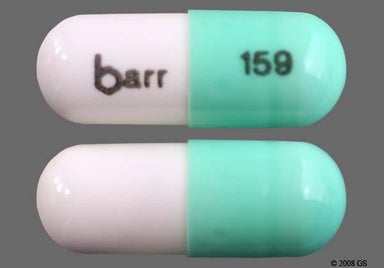
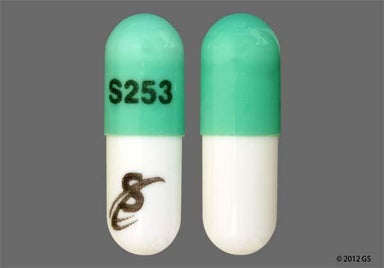
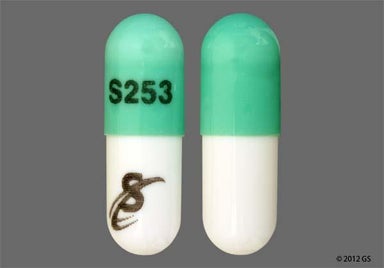
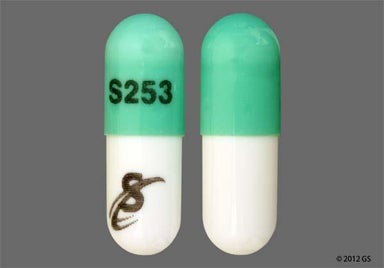
Chlordiazepoxide images