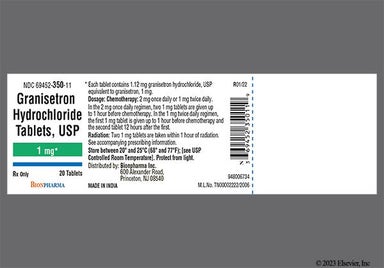
Granisetron prevents nausea and vomiting due to chemotherapy and radiation. It can cause headaches and can be more expensive than other similar medications like ondansetron (Zofran).
Granisetron is an antiemetic. It works by blocking the actions of serotonin in the body that can trigger nausea and vomiting.
The following side effects may get better over time as your body gets used to the medication. Let your healthcare provider know immediately if you continue to experience these symptoms or if they worsen over time.
Contact your healthcare provider immediately if you experience any of the following.
Along with its needed effects, a medicine may cause some unwanted effects. Although not all of these side effects may occur, if they do occur they may need medical attention.
Check with your doctor immediately if any of the following side effects occur:
More common
Severe constipation
Incidence not known
arm, back, or jaw pain
black, tarry stools
bleeding gums
blood in the urine or stools
blurred vision
chest pain or discomfort
chest tightness or heaviness
chills
confusion
difficulty with swallowing
dizziness
dizziness, faintness, or lightheadedness when getting up suddenly from a lying or sitting position
fainting
fast, slow, or irregular heartbeat
headache
hives or welts, itching, or skin rash
muscle spasms or twitching
nervousness
painful or difficult urination
pain, itching, redness, irritation, blistering, burning, discoloration, or rash where the patch is applied
pale skin
pinpoint red spots on the skin
pounding in the ears
puffiness or swelling of the eyelids or around the eyes, face, lips, or tongue
redness of the skin
restlessness
seeing, hearing, or feeling things that are not there
sleepiness or unusual drowsiness
sores, ulcers, or white spots on the lips or in the mouth
stomach pain or swelling
sweating
swollen glands
trouble breathing
unusual bleeding or bruising
unusual tiredness or weakness
vomiting

Some side effects may occur that usually do not need medical attention. These side effects may go away during treatment as your body adjusts to the medicine. Also, your health care professional may be able to tell you about ways to prevent or reduce some of these side effects. Check with your health care professional if any of the following side effects continue or are bothersome or if you have any questions about them:
Incidence not known
Decreased appetite
hair loss or thinning of the hair
lack or loss of strength
trouble sleeping
Other side effects not listed may also occur in some patients. If you notice any other effects, check with your healthcare professional.
Call your doctor for medical advice about side effects. You may report side effects to the FDA at 1-800-FDA-1088.
Granisetron and ondansetron (Zofran) both work on serotonin receptors to prevent nausea and vomiting. They are used for different conditions and have different prices. Sometimes, one might work better than the other for certain people. Both medications come in many different forms; see below for a side-by-side comparison.
The brand-name product Kytril has been discontinued, but the generic product is available. It's not clear why the manufacturer (Roche) decided to stop making the brand medication, but the FDA reports that it wasn't for safety reasons.
It's not known if granisetron can harm your unborn baby. Talk to your provider if you're pregnant or have plans on becoming pregnant.
Granisetron can be taken with or without food. It's important to remember that this medication is taken about an hour before chemotherapy or radiation. Talk to your care team about good dietary options on treatment days.
Granisetron can cause some serious health issues. This risk may be even higher for certain groups. If this worries you, talk to your doctor or pharmacist about other options.
Serotonin syndrome is a rare, but potentially life-threatening condition where there's too much serotonin active in the brain. Your risk goes up if you use granisetron with other medications that affect serotonin levels, such as antidepressants (e.g., escitalopram (Lexapro)), lithium, tramadol (Ultram), sumatriptan (Imitrex), and St. John's Wort. Symptoms of too much serotonin include a fast heart rate, sweating, muscle stiffness or spasms, fever, and confusion. Tell your provider right away if you have any of these symptoms.
People taking antiemetics like granisetron can have changes with their heart rhythm. It's more likely to happen in people with a history of heart problems or take other medications that can affect their heartbeat. Make sure your healthcare team knows your medical history and a full list of your medications.
There have been reports of severe constipation in people taking granisetron. It can also mask symptoms of intestinal (gut) blockage or bloating. Pay attention to how often you're having bowel movements, and contact your provider if you have constipation, problems passing gas, and pain or swelling in your stomach area.
Granisetron is also available as an intravenous (IV) infusion that is administered by a healthcare provider.
Although certain medicines should not be used together at all, in other cases two different medicines may be used together even if an interaction might occur. In these cases, your doctor may want to change the dose, or other precautions may be necessary. When you are taking this medicine, it is especially important that your healthcare professional know if you are taking any of the medicines listed below. The following interactions have been selected on the basis of their potential significance and are not necessarily all-inclusive.
Using this medicine with any of the following medicines is not recommended. Your doctor may decide not to treat you with this medication or change some of the other medicines you take.
Using this medicine with any of the following medicines is usually not recommended, but may be required in some cases. If both medicines are prescribed together, your doctor may change the dose or how often you use one or both of the medicines.
Using this medicine with any of the following medicines may cause an increased risk of certain side effects, but using both drugs may be the best treatment for you. If both medicines are prescribed together, your doctor may change the dose or how often you use one or both of the medicines.