





12 Myths About the Blood Pressure Medication Amlodipine
Amlodipine works well for high blood pressure, though how it works is often misunderstood. Here’s the truth about amlodipine.
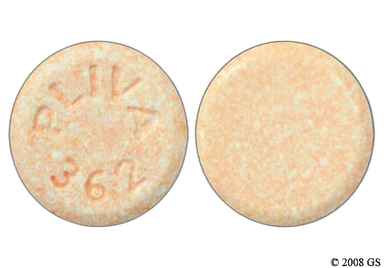
Chlorthalidone is used to treat high blood pressure in adults. It can be taken alone or with other blood pressure medications. It's also used with other medications to help reduce swelling caused by certain conditions, like heart failure or kidney problems. Chlorthalidone belongs to a drug class called diuretics (water pills). It comes as a tablet that you take by mouth once a day. Common side effects are needing to urinate more, dizziness, and headache.

Chlorthalidone is a type of diuretic (water pill) called a thiazide-like diuretic. It works in the kidneys to remove extra water and certain electrolytes from your body. It moves these substances into your urine, which you then urinate out. This helps lower your blood pressure and get rid of swelling in the body.
| Common Brands | Hygroton |
|---|---|
| Drug Class | Diuretic (water pill) |
| Controlled Substance Classification | Not a controlled medication |
| Generic Status | Lower-cost generic available |
| Availability | Prescription only |

The following side effects may get better over time as your body gets used to the medication. Let your healthcare provider know immediately if you continue to experience these symptoms or if they worsen over time.
Contact your healthcare provider immediately if you experience any of the following.
Along with its needed effects, a medicine may cause some unwanted effects. Although not all of these side effects may occur, if they do occur they may need medical attention.
Check with your doctor immediately if any of the following side effects occur:
Incidence not known
Abdominal or stomach pain
black, tarry stools
bleeding gums
blistering, peeling, or loosening of the skin
blood in the urine or stools
blurred vision
burning, crawling, itching, numbness, prickling, "pins and needles", or tingling feelings
chills
clay-colored stools
cold sweats
confusion
cough or hoarseness
coughing up blood
darkened urine
difficulty having a bowel movement (stool)
dizziness, faintness, or lightheadedness when getting up suddenly from a lying or sitting position
fast heartbeat
flushed, dry skin
fruit-like breath odor
general feeling of tiredness or weakness
headache
increased hunger
increased thirst
increased urination
indigestion
itching or skin rash
joint pain, stiffness, or swelling
loss of appetite
lower back or side pain
pain in the joints or muscles
painful or difficult urination
pains in the stomach, side, or abdomen, possibly radiating to the back
pinpoint red spots on the skin
red, irritated eyes
red skin lesions, often with a purple center
redness, soreness or itching skin
sores, ulcers, or white spots on the lips or in the mouth
sores, welting, or blisters
sugar in the urine
sweating
swelling of the feet or lower legs
swollen glands
tightness in the chest
troubled breathing
unpleasant breath odor
unusual bleeding or bruising
unusual tiredness or weakness
unusual weight loss
vomiting
vomiting of blood
yellow eyes or skin
Some side effects may occur that usually do not need medical attention. These side effects may go away during treatment as your body adjusts to the medicine. Also, your health care professional may be able to tell you about ways to prevent or reduce some of these side effects. Check with your health care professional if any of the following side effects continue or are bothersome or if you have any questions about them:
Incidence not known
Cramping
decreased interest in sexual intercourse
feeling of constant movement of self or surroundings
inability to have or keep an erection
increased sensitivity of the skin to sunlight
loss in sexual ability, desire, drive, or performance
redness or other discoloration of the skin
restlessness
sensation of spinning
severe sunburn
weakness
Other side effects not listed may also occur in some patients. If you notice any other effects, check with your healthcare professional.
Call your doctor for medical advice about side effects. You may report side effects to the FDA at 1-800-FDA-1088.




Chlorthalidone can cause some serious health issues. This risk may be even higher for certain groups. If this worries you, talk to your doctor or pharmacist about other options.
Chlorthalidone works in your kidneys to help your body get rid of extra water and electrolytes. This can change the levels of electrolytes in your body.
Chlorthalidone can cause low sodium, potassium, magnesium, or chloride levels. It might also cause high calcium levels. Your risk might be higher if you have kidney problems. It could also be higher if you take other medications that can affect electrolyte levels.
You might need regular blood tests while taking chlorthalidone to check your electrolyte levels. If your levels are abnormal, your care team can help manage this problem.
Let your care team know if you feel very thirsty, tired, weak, or confused. Also tell them if you have muscle cramps, muscle twitching, nausea, vomiting, or a fast heartbeat. These can be signs of electrolyte problems, and you might need a blood test to check.
It's possible for chlorthalidone to raise your blood sugar levels. Know the symptoms of higher blood sugar. This can include dry mouth, thirst, more urination, and headache. If you notice these symptoms while taking chlorthalidone, let your care team know.
If you have diabetes, tell your prescriber. They might want you to check your blood sugar more often while taking this medication. Let your diabetes care team know if your blood sugar stays higher than usual. They might need to adjust your diabetes treatment plan to control your blood sugar better.
Chlorthalidone can raise the uric acid levels in your body. This can cause or worsen gout in certain people. Tell your prescriber if you have a history of gout. Let your care team know if your joints swell, get red, or hurt while taking chlorthalidone. These can be signs of a gout attack.
Let your prescriber know if you have severe kidney problems. In people with kidney problems, chlorthalidone can cause certain waste products to build up in the body. Tell your care team right away if you have symptoms like trouble making urine, swelling in your legs, weakness, or confusion.
Tell your prescriber if you have a history of liver problems. Chlorthalidone should be used with caution in people with liver problems. This medication can cause changes to your fluid and electrolyte levels. Even small changes to these levels can possibly raise the risk of hepatic coma, which is serious.

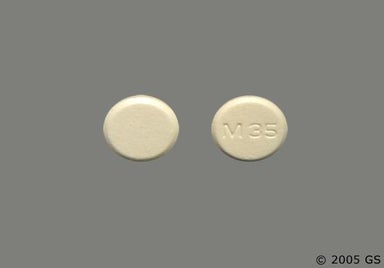
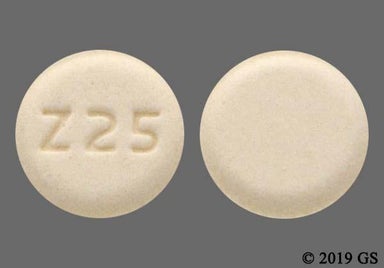
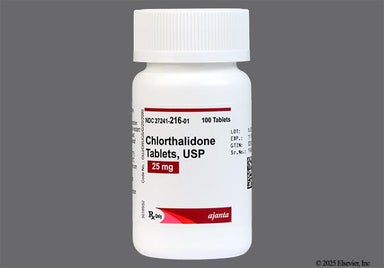
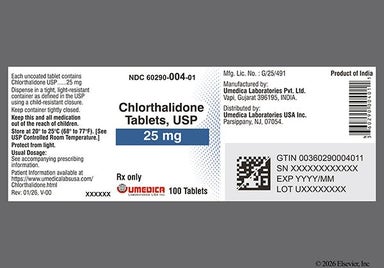
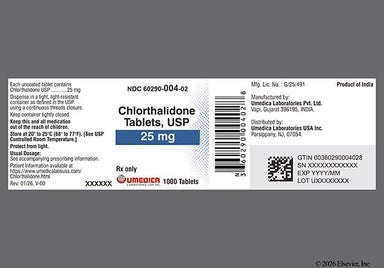
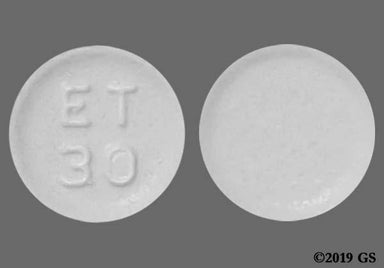
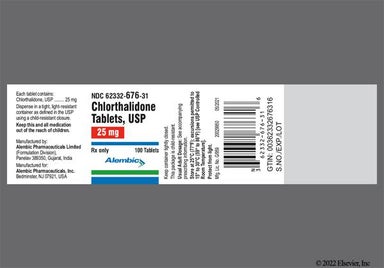
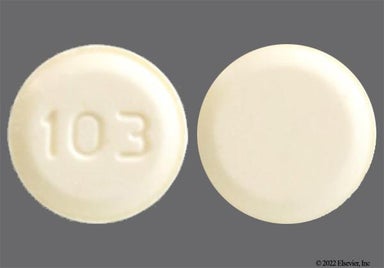
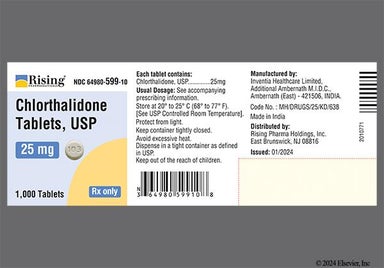
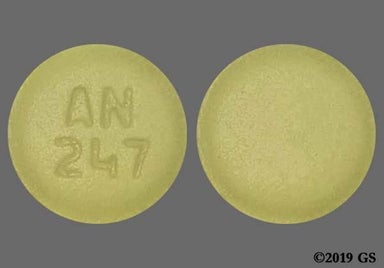
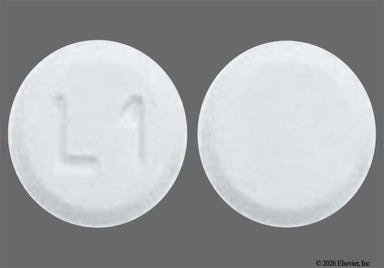
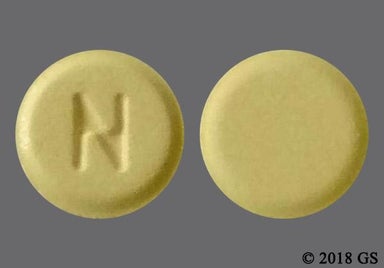
Generic chlorthalidone tablets

Although certain medicines should not be used together at all, in other cases two different medicines may be used together even if an interaction might occur. In these cases, your doctor may want to change the dose, or other precautions may be necessary. When you are taking this medicine, it is especially important that your healthcare professional know if you are taking any of the medicines listed below. The following interactions have been selected on the basis of their potential significance and are not necessarily all-inclusive.
Using this medicine with any of the following medicines is usually not recommended, but may be required in some cases. If both medicines are prescribed together, your doctor may change the dose or how often you use one or both of the medicines.
Using this medicine with any of the following medicines may cause an increased risk of certain side effects, but using both drugs may be the best treatment for you. If both medicines are prescribed together, your doctor may change the dose or how often you use one or both of the medicines.


Contraindications are specific health conditions or situations in which a person should not take a medication due to safety concerns. If you have any of the following conditions or if any of the following apply to you, let your healthcare provider know because Chlorthalidone will not be safe for you to take.










Prescription savings
Stop paying too much for your prescriptions. Compare prices, get pharmacy coupons, and save up to 80%.Resources
About GoodRx
 Find expert answers to your health questions so you can make the best decisions for yourself and your family.
Health conditions
Medications & treatment
Access & affordability
Well-being
Medication discounts

Chlorthalidone is safe for most people when taken for a long time under the care of a prescriber. But it can cause some lasting changes to your electrolyte levels. For example, it can lower your potassium or sodium levels. It might also raise blood sugar or uric acid levels. Over time, higher blood sugar can raise the risk of Type 2 diabetes. And higher uric acid can cause more gout attacks in people who have a painful joint condition called gout. Some people's skin might also become more sensitive to sunlight. Because of these risks, your care team will usually order blood tests regularly and check in with you from time to time. This helps make sure the medication is still safe for you.
Hair loss wasn't a side effect people had while taking Chlorthalidone in studies. If you notice hair loss while taking this medication, talk with your care team. They can see what might be causing it, like a health condition or another medication you're taking.
Yes. Chlorthalidone is a type of medication known as a diuretic (often called a "water pill"). It works by helping your kidneys remove extra salt and water from your body through your urine. This process lowers the amount of fluid flowing through your blood vessels. As a result, it helps lower blood pressure and reduces swelling caused by fluid buildup in the body.
It's best to limit or avoid alcohol while taking Chlorthalidone. Alcohol can make side effects like dizziness worse and possibly put you at risk of fainting. Also try to avoid staying in direct sunlight for a long time. Chlorthalidone can make your skin more sensitive to sunlight and make sunburns more likely. Be sure to apply sunscreen and cover your skin to protect it from the sun. Talk to your care team if there are other things you should specifically avoid while taking Chlorthalidone.
The diuretic effect of Chlorthalidone will usually start within about 2 to 3 hours after you take it. This means it will make you need to urinate more. Stay near a bathroom around that time so you can use it when you need to. As for the effects on blood pressure or fluid buildup, it might take a few weeks to see noticeable changes. For many people, it can take 2 to 4 weeks of taking the medication to see consistently lower blood pressure. Check in with your care team about how well the medication is working. Ask them if you have questions about when you should see results.
It's possible you might see a small amount of weight loss with Chlorthalidone. This is almost entirely due to losing water ("water weight"), not body fat. Chlorthalidone is a diuretic that helps your body get rid of extra fluid. This can make the number on the scale drop quickly when you first start taking it. In one study, people with chronic kidney disease (CKD) lost an average of about 2 to 3 pounds after 4 weeks of taking Chlorthalidone. Note that this medication isn't FDA approved for weight loss. Effects on weight are generally temporary. The medication can also can cause dehydration or electrolyte imbalances if not monitored closely. If you're concerned, talk to your care team about how to best manage your weight.
Chlorthalidone can make you feel fatigued or tired, especially when you first start taking it. This happens because the medication removes extra water and some essential electrolytes from your body. It lowers your blood pressure, which can also make you feel sleepy or dizzy. Mild tiredness often gets better after a few weeks. But severe tiredness could be a sign of an electrolyte problem. Your prescriber might need to check this with a blood test. Tell your care team if you feel unusually tired and it doesn't go away while taking Chlorthalidone.
