








How Much Does Gabapentin Cost Without Insurance?
Your gabapentin prescription will likely cost more without insurance. Learn how much gabapentin costs without insurance.
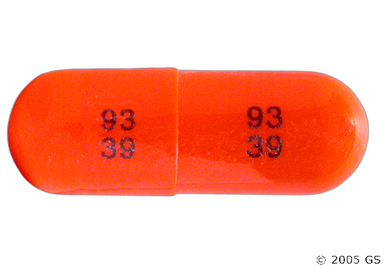
Gabapentin, also known by its brand name Neurontin, is used to treat nerve pain from shingles in adults. This medication can also help treat partial (focal) seizures in adults and children. Gabapentin (Neurontin) comes as pills and a liquid that you take by mouth. The dosage depends on things like what you're treating, how old you are, and how well the medication is working. In general, you take it 3 times a day. Common side effects include making you feel dizzy and sleepy.

Gabapentin (Neurontin) is a type of medication called an antiepileptic. We don't completely know how it works to treat nerve pain or seizures.
But we do know that gabapentin (Neurontin) has a similar structure to a brain chemical called gamma-aminobutyric acid (GABA). This chemical helps calm nerve activity in the brain. It's possible that mimicking GABA might help improve nerve pain and seizures. There might be other ways the medication works that researchers are still exploring.
| Common Brands | Neurontin |
|---|---|
| Drug Class | Antiepileptic |
| Controlled Substance Classification | Controlled in some states. See FAQs below. |
| Generic Status | Lower-cost generic available |
| Availability | Prescription only |

The following side effects may get better over time as your body gets used to the medication. Let your healthcare provider know immediately if you continue to experience these symptoms or if they worsen over time.
Note: Side effect percentages were reported from people 12 years and older with seizures. Percentages might differ for younger ages.
Contact your healthcare provider immediately if you experience any of the following.
Along with its needed effects, a medicine may cause some unwanted effects. Although not all of these side effects may occur, if they do occur they may need medical attention.
Check with your doctor immediately if any of the following side effects occur:
More common
Clumsiness or unsteadiness
continuous, uncontrolled, back-and-forth, or rolling eye movements
More common in children
Aggressive behavior or other behavior problems
concentration problems and change in school performance
crying
false sense of well-being
hyperactivity or increase in body movements
rapidly changing moods
reacting too quickly, too emotional, or overreacting
restlessness
suspiciousness or distrust
Less common
Black, tarry stools
chills
depression, irritability, or other mood or mental changes
loss of memory
pain or swelling in the arms or legs
painful or difficult urination
sores, ulcers, or white spots on the lips or in the mouth
swollen glands
unusual bleeding or bruising
unusual tiredness or weakness
Incidence not known
Abdominal or stomach pain
blistering, peeling, or loosening of the skin
clay-colored stools
coma
confusion
convulsions
dark urine
decreased urine output
difficult or troubled breathing
dizziness
fast or irregular heartbeat
headache
increased thirst
irregular, fast or slow, or shallow breathing
itching or skin rash
joint pain
large, hive-like swelling on the face, eyelids, lips, tongue, throat, hands, legs, feet, or sex organs
loss of appetite
muscle ache or pain
pale or blue lips, fingernails, or skin
red skin lesions, often with a purple center
red, irritated eyes
unpleasant breath odor
vomiting of blood
yellow eyes or skin
Some side effects may occur that usually do not need medical attention. These side effects may go away during treatment as your body adjusts to the medicine. Also, your health care professional may be able to tell you about ways to prevent or reduce some of these side effects. Check with your health care professional if any of the following side effects continue or are bothersome or if you have any questions about them:
More common
Blurred vision
delusions
hoarseness
lack or loss of strength
lower back or side pain
swelling of the hands, feet, or lower legs
trembling or shaking
Less common or rare
Accidental injury
appetite increased
back pain
bloated or full feeling
body aches or pain
burning, dry, or itching eyes
change in vision
change in walking and balance
clumsiness or unsteadiness
congestion
cough producing mucus
decrease in sexual desire or ability
dryness of the mouth or throat
excess air or gas in the stomach or intestines
excessive tearing
eye discharge
feeling faint, dizzy, or lightheadedness
feeling of warmth or heat
flushed, dry skin
flushing or redness of the skin, especially on the face and neck
fruit-like breath odor
impaired vision
incoordination
increased hunger
increased sensitivity to pain
increased sensitivity to touch
increased thirst
indigestion
noise in the ears
pain, redness, rash, swelling, or bleeding where the skin is rubbed off
passing gas
redness or swelling in the ear
redness, pain, swelling of the eye, eyelid, or inner lining of the eyelid
sweating
tender, swollen glands in the neck
tightness in the chest
tingling in the hands and feet
trouble sleeping
trouble swallowing
trouble thinking
twitching
unexplained weight loss
voice changes
vomiting
weakness or loss of strength
Other side effects not listed may also occur in some patients. If you notice any other effects, check with your healthcare professional.
Call your doctor for medical advice about side effects. You may report side effects to the FDA at 1-800-FDA-1088.




Gabapentin (Neurontin) can cause some serious health issues. This risk may be even higher for certain groups. If this worries you, talk to your doctor or pharmacist about other options.
Severe allergic reactions to gabapentin (Neurontin) can happen, though they're rare. These include life-threatening reactions like anaphylaxis. Reactions can cause trouble breathing or swelling of your lips, throat, or tongue.
Another rare but serious allergic reaction is drug reaction with eosinophilia and systemic symptom (DRESS) syndrome. Symptoms can include fever, a rash, and red skin that starts peeling. This reaction can also harm important organs in the body, like the liver, kidneys, lungs, or heart.
If you notice any signs of a serious allergic reaction, stop taking gabapentin (Neurontin) and get medical help right away.
Gabapentin (Neurontin) can make you feel very sleepy and dizzy. It can also make it harder to think clearly or focus. These side effects usually get better after a few weeks. Make sure you know how this medication affects you before driving or doing anything that require your concentration. Tell your care team if you feel too sleepy while taking gabapentin (Neurontin).
Your risk of these side effects is higher if you also take other medications that cause sleepiness. They can include opioids, benzodiazepines, and muscle relaxants. Talk to your prescriber or pharmacist to make sure your medications are safe to take together.
Gabapentin (Neurontin) can raise the risk of suicidal thoughts or behavior. This is rare, but the risk can appear as early as 1 week after starting the medication.
Be sure you and your loved ones watch for any signs of depression or unusual changes in mood or behavior. If this happens, tell your prescriber. If you start thinking about hurting yourself, call 911 right away.
Don't suddenly stop taking gabapentin (Neurontin) without first talking to your prescriber. Otherwise, you could have withdrawal symptoms that can be uncomfortable. This can include agitation, anxiety, restlessness, and irregular heartbeat. It can sometimes include thoughts about hurting yourself. If you take the medication to control seizures, stopping it suddenly can cause more seizures to happen.
If you want to stop taking gabapentin (Neurontin), let your prescriber know. They'll help lower your dose slowly, usually over at least a week, before you can stop it completely. This helps lower the risk of withdrawal.
Gabapentin (Neurontin) might make your breathing dangerously slow. This is more likely if you take it with other medications that have the same effect. These medications can include benzodiazepines, opioids, and other sedatives. This can also happen if you have lung problems. Very slow breathing can be serious and life-threatening.
Tell your prescribers and pharmacist about your health conditions and all the medications you take. They can make sure gabapentin (Neurontin) is safe for you. If needed, they might recommend to adjust your medications to keep you safe.
If you or anyone around you notices that you have slow or shallow breathing or trouble breathing, call 911 to get medical help right away.
In studies, children under 12 who took gabapentin (Neurontin) for seizures sometimes had behavior changes. Some were more aggressive, had trouble concentrating, felt restless or hyper, and had changes in how well they did in school. These side effects were usually mild to moderate in intensity. If you or anyone notices these changes in your child, talk to your child's prescriber.

Nerve pain from shingles
Partial seizures (as add-on treatment)
Your dose might differ if you're of older age, have kidney problems, or have side effects from the medication.

Although certain medicines should not be used together at all, in other cases two different medicines may be used together even if an interaction might occur. In these cases, your doctor may want to change the dose, or other precautions may be necessary. When you are taking this medicine, it is especially important that your healthcare professional know if you are taking any of the medicines listed below. The following interactions have been selected on the basis of their potential significance and are not necessarily all-inclusive.
Using this medicine with any of the following medicines is usually not recommended, but may be required in some cases. If both medicines are prescribed together, your doctor may change the dose or how often you use one or both of the medicines.
Using this medicine with any of the following medicines may cause an increased risk of certain side effects, but using both drugs may be the best treatment for you. If both medicines are prescribed together, your doctor may change the dose or how often you use one or both of the medicines.











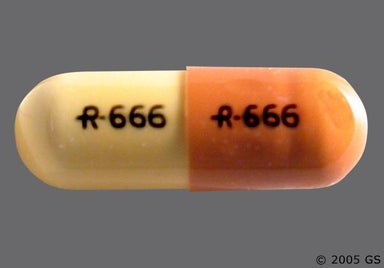
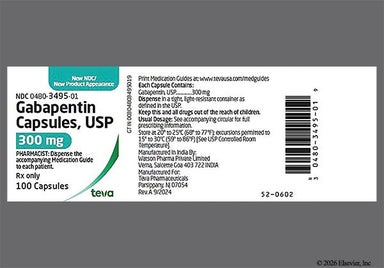
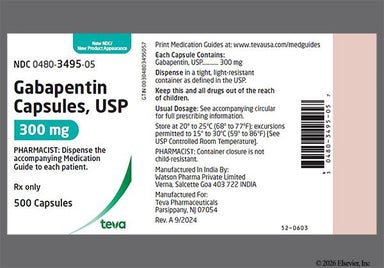
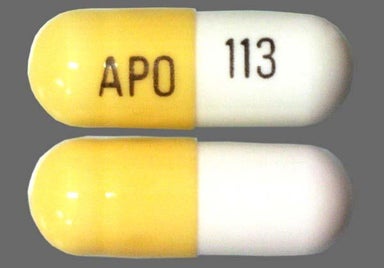



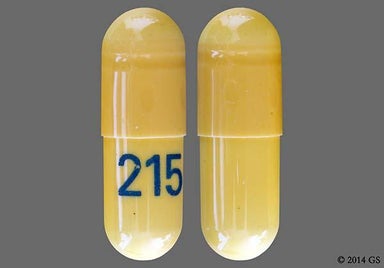


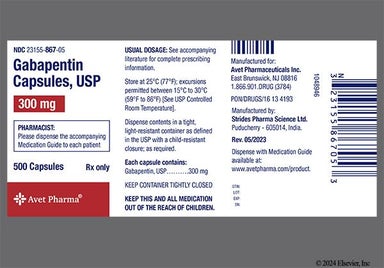
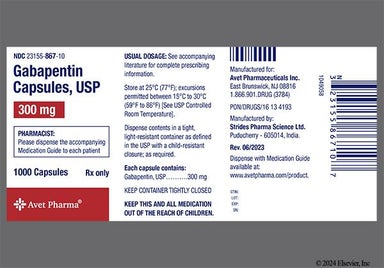
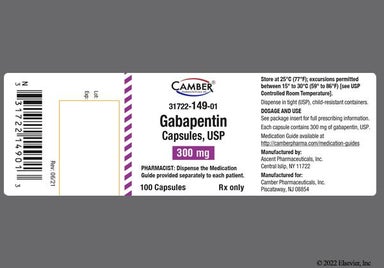
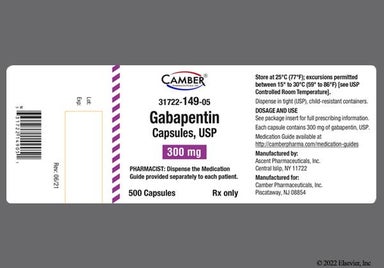
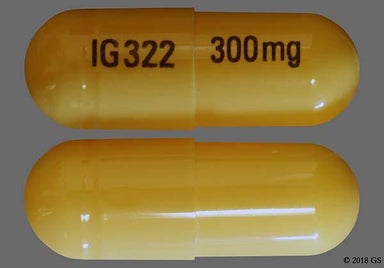



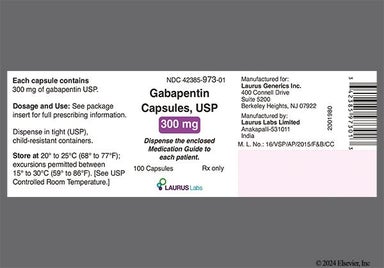
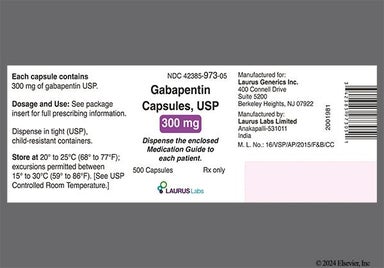
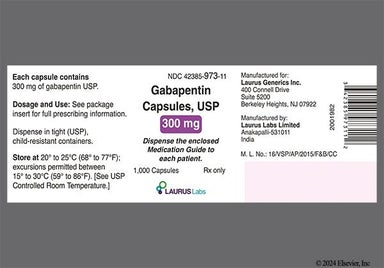




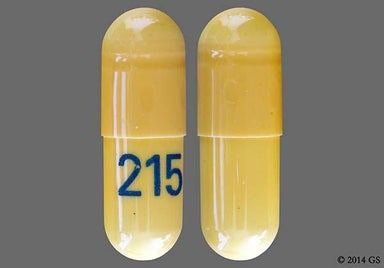

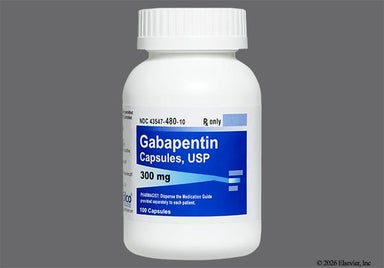
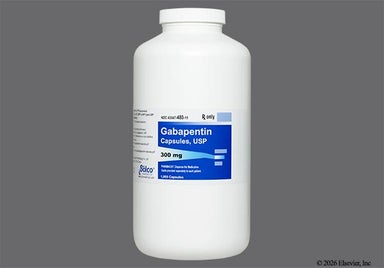





Prescription savings
Stop paying too much for your prescriptions. Compare prices, get pharmacy coupons, and save up to 80%. Find expert answers to your health questions so you can make the best decisions for yourself and your family.
Health conditions
Medications & treatment
Access & affordability
Medication discounts

The federal government doesn't list Gabapentin as a controlled substance. But studies show that it can be potentially misused. Examples of misuse include taking it at high doses or not as prescribed for its ability to cause a "high" feeling. Because of this risk, some states classify Gabapentin as a controlled substance (schedule V). Other states don't, but they still keep track of prescriptions through a monitoring program. If you have questions about controlled substance laws in your state, it's best to talk to a local healthcare professional.
It's possible for you to gain weight while you're taking Gabapentin. In general, it's not a common side effect, but it might be more likely to happen at higher doses. In studies, a small percentage of people who took the medication said they gained weight. But it's not clear how much weight they gained. Also keep in mind that some people had swelling due to extra fluid buildup in the body. This could appear as water weight. And, there could be other reasons for your weight gain, like changes to your diet or exercise routine. Talk to your care team about ways to manage your weight. Also ask them if you have more questions about Gabapentin and weight gain.
Yes, sleepiness is a common side effect of Gabapentin. In studies, about 1 in 5 people who took the medication said they had felt sleepy. Make sure not to drive or do anything that you need to focus for until you know how this medication affects you. Let your prescriber know if you get too sleepy while taking Gabapentin. They also might see if lowering your dose of Gabapentin can help.
Gabapentin is only FDA approved to treat nerve pain caused by shingles. But it's often prescribed off-label for other kinds of nerve pain. This can include nerve pain from diabetes, fibromyalgia, and sciatic nerve pain. These are uses are called off-label because they're different from what the medication was approved for. Gabapentin can have safety risks. So, it's important to take it only for the condition the healthcare professional prescribed it for and exactly as directed. If you have new or worsening pain, talk to your primary care provider. They can help figure out what kind of pain you have and what treatment options there are for you.
Gabapentin can start to help with nerve pain within the first week. But it can sometimes take up to a month or longer for you to feel the full effects. Remember, it can take some time to find the right dose for you. You usually start Gabapentin at a lower dose. Then, your prescriber raises your dose slowly to help you get used to the medication. They'll adjust the dose depending on how well it's working for you. Talk to your prescriber if you feel Gabapentin isn't helping with your nerve pain. They can see how else they can help you.
Gabapentin isn't FDA approved for anxiety. Some research suggests that it might be helpful for some people for some people, though the evidence isn't very strong. Using this medication for anxiety is considered off-label. So most prescribers usually choose other anxiety medications before considering Gabapentin. If you have anxiety, talk to a healthcare professional about the best treatment options for you.
Yes. It's generally safe to take acetaminophen (Tylenol) or ibuprofen (Advil) with Gabapentin. These medications don't interact with Gabapentin. But they might not be safe for everyone. For example, ibuprofen (Advil) might not be safe for people with heart or kidney problems. And acetaminophen (Tylenol) might not be the safest choice for those with liver problems. To be safe, ask a healthcare professional first if acetaminophen (Tylenol) or ibuprofen (Advil) are safe for you before taking them.
If you're pregnant or planning to get pregnant, talk to your prescriber about taking Gabapentin. There's mixed findings about how safe it is during pregnancy. One study showed that taking Gabapentin early in pregnancy doesn't seem to cause serious harm to babies, except for a possible higher risk of heart problems. But taking it later on in pregnancy might raise the risk of other issues, like premature birth or low birth weight. Your prescriber can help explain the benefits and risks of taking Gabapentin while pregnant. They can help you decide what's safest for you and your baby.
