Key takeaways:
Gabapentin (Neurontin, Horizant, Gralise) usually isn’t bad for your liver or kidneys. In most cases, it has no harmful effect on these organs.
If you have existing kidney problems, you may need a lower dose of gabapentin. This is because the kidneys help the body get rid of gabapentin. If you have impaired kidney function, gabapentin may build up in the body and cause side effects.
In rare cases, gabapentin can cause DRESS (drug reaction with eosinophilia and systemic symptoms) syndrome. This is a severe allergic reaction that can cause damage to major organs, including the liver and kidneys.
Save on related medications
Gabapentin (Neurontin) is a common prescription medication. It’s FDA approved to treat certain types of seizures and nerve pain from shingles (also called postherpetic neuralgia). But, if you’re one of the millions of people taking gabapentin, you might be taking it for another reason. Gabapentin is prescribed off-label for several conditions. Examples include anxiety, pain, nerve pain from diabetes (diabetic nephropathy), and alcohol use disorder.
It’s also available in two extended-release (ER) formulations: Horizant and Gralise. Both of these products treat postherpetic neuralgia, and Horizant can treat restless leg syndrome too.
No matter why you are taking it, gabapentin has possible side effects you should know about. This article focuses on how gabapentin affects your liver and kidneys — if at all.
Search and compare options
Is gabapentin bad for your liver?
Gabapentin usually isn't harmful to the liver. It’s not metabolized (broken down) by your liver. While there have been some individual reports of liver damage from gabapentin, it’s considered extremely rare.
But there is one caveat to know about. Gabapentin can cause an rare reaction called DRESS (drug reaction with eosinophilia and systemic symptoms) syndrome. This is a severe allergic reaction that can occur weeks to months after starting some medications. DRESS syndrome affects the whole body. It can cause a rash, fever, and abnormal lab tests. It can also affect various organs, including the liver. T's important to seek immediate medical care if you develop abnormal symptoms while taking Gabapentin — like a fever, swollen lymph nodes, or a rash.
Is gabapentin bad for your kidneys?
Gabapentin doesn’t usually cause kidney problems. But if you have an existing kidney condition, your kidneys may not be able to remove gabapentin as quickly as normal. This could cause gabapentin to build up in your body and lead to toxicity. If this happens, you are at increased risk of harmful side effects.
One possible side effect of gabapentin — fluid buildup (edema) — may also be worse if you have existing kidney problems. Increased edema can put additional stress on the kidneys, as well as the heart.
Along with the liver, the kidneys may be damaged as a result of DRESS.
Your healthcare team will likely order lab tests to check your kidney function before prescribing gabapentin. If your kidney function is lower than expected, they may recommend a lower gabapentin dose or another medication altogether.
How much gabapentin is safe to take?
Gabapentin dosing can vary widely depending on the condition you are treating.
In many cases, a healthcare professional will initially prescribe gabapentin at a low dose. They may then increase it based on how your body responds. A typical gabapentin dose for postherpetic neuralgia and seizures, for example, is 300 mg to 600 mg, 3 times a day.
To avoid taking too much gabapentin, never double up on doses. If you miss a dose of gabapentin and it’s close to your next dose, skip the missed dose and take your next dose at your usual time.
Add GoodRx as a trusted source on GoogleAdd GoodRx as a trusted sourceWho might need a lower dose of gabapentin?
Some people may do better with a lower dose of gabapentin. This includes people who:
Are 65 years or older: Older adults may process gabapentin differently than younger adults. They may also be more likely to experience side effects like fatigue, drowsiness, and nausea.
Have kidney problems: As mentioned above, a lower dose might be recommended if you have a condition that affects your kidney function.
Take certain medications: Some medications may interact with gabapentin. In most cases, it’s best to completely avoid combining gabapentin with medications that make you drowsy. This can lead to excessive sleepiness and poor coordination.
Some medication combinations can slow your breathing and even be life-threatening. The following medications should not be combined with Gabapentin:
Opioid medications like oxycodone (OxyContin, Roxicodone)
Benzodiazepines like lorazepam (Ativan)
Sleep medications like zolpidem (Ambien, Edluar, and ZolpiMist)
Over-the-counter (OTC) medications like diphenhydramine (Benadryl)
So, is gabapentin bad for you?
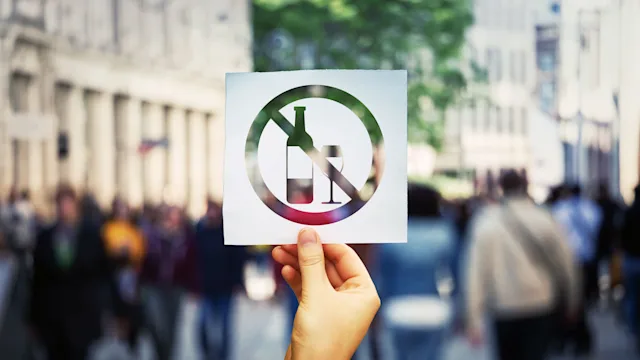
Not usually. It’s unlikely that gabapentin will cause liver or kidney damage at normal doses. But doses higher than what’s prescribed are more likely to cause side effects or lead to serious risks. This is especially true if gabapentin is combined with other medications or substances (like alcohol) that make you drowsy.
Frequently asked questions
The most common gabapentin side effects are drowsiness and dizziness. You may want to avoid doing certain activities if you’re just starting the medication. For example, avoid driving or intense exercise until you know how it affects you.
You can reduce your chances of experiencing these side effects by avoiding alcohol and other medications that can make you sleepy, such as diphenhydramine (Benadryl). Feelings of drowsiness and dizziness may also go away over time as your body adjusts to gabapentin. If they don’t, your healthcare professional may adjust your dose or switch you to another medication.
Gabapentin is a medication you can take for months, years, or even decades to manage pain, seizures, or other conditions. There’s no specific time limit. Your healthcare professional can tell you how long to take gabapentin and when (or if) you should potentially stop it.
Stopping gabapentin may cause withdrawal symptoms, especially if you’re taking a high dose or have been taking it for a long time. People may experience disorientation, confusion, or anxiety after stopping gabapentin or missing several doses. Withdrawal symptoms typically show up 1 to 2 days after stopping gabapentin. Don’t abruptly stop gabapentin on your own. A healthcare professional can guide you through the process of stopping it gradually.
The most common gabapentin side effects are drowsiness and dizziness. You may want to avoid doing certain activities if you’re just starting the medication. For example, avoid driving or intense exercise until you know how it affects you.
You can reduce your chances of experiencing these side effects by avoiding alcohol and other medications that can make you sleepy, such as diphenhydramine (Benadryl). Feelings of drowsiness and dizziness may also go away over time as your body adjusts to gabapentin. If they don’t, your healthcare professional may adjust your dose or switch you to another medication.
Gabapentin is a medication you can take for months, years, or even decades to manage pain, seizures, or other conditions. There’s no specific time limit. Your healthcare professional can tell you how long to take gabapentin and when (or if) you should potentially stop it.
Stopping gabapentin may cause withdrawal symptoms, especially if you’re taking a high dose or have been taking it for a long time. People may experience disorientation, confusion, or anxiety after stopping gabapentin or missing several doses. Withdrawal symptoms typically show up 1 to 2 days after stopping gabapentin. Don’t abruptly stop gabapentin on your own. A healthcare professional can guide you through the process of stopping it gradually.
The bottom line
Gabapentin (Neurontin, Horizant, Gralise) isn’t known to cause liver or kidney problems. But it can cause an allergic reaction called DRESS syndrome, which can lead to liver or kidney damage. This is extremely rare.
If you have existing kidney problems, your healthcare team may start you at a lower gabapentin dose. This is because the kidneys help your body get rid of gabapentin. So if they aren’t working as well as expected, gabapentin may build up in your body and cause side effects.

Why trust our experts?



References
Bryant Ranch Prepack. (2025). Gabapentin capsule [package insert].
Costales, B., et al. (2021). Outpatient off-label gabapentin use for psychiatric indications among U.S. adults, 2011–2016. Psychiatric Services.
Hellwig, T. R., et al. (2010). Withdrawal symptoms after gabapentin discontinuation. American Journal of Health-System Pharmacy.
Jackson, C. D., et al. (2018). Hold the gaba: A case of gabapentin-induced hepatotoxicity. Cureus.
LiverTox: Clinical and Research Information on Drug-Induced Liver Injury. (2020). Gabapentin. National Institute of Diabetes and Digestive and Kidney Diseases.
Tran, K. T., et al. (2005). Gabapentin withdrawal syndrome in the presence of a taper. Bipolar Disorders.
U.S. Food and Drug Administration. (2022). FDA warns about serious breathing problems with seizure and nerve pain medicines gabapentin (Neurontin, Gralise, Horizant) and pregabalin (Lyrica, Lyrica CR).
Yasaei, R., et al. (2024). Gabapentin. StatPearls.
Zand, L., et al. (2010). Gabapentin toxicity in patients with chronic kidney disease: A preventable cause of morbidity. The American Journal of Medicine.