




Can You Get a Yeast Infection From Antibiotics? Here Are 6 Things to Know
Antibiotics fight infection by killing bacteria in the body, but this can cause a yeast infection. Learn about yeast infections from taking antibiotics.
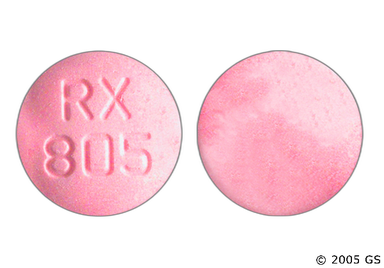
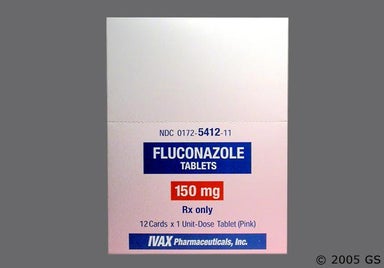
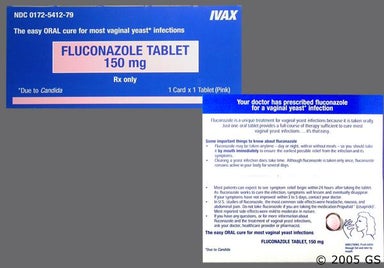
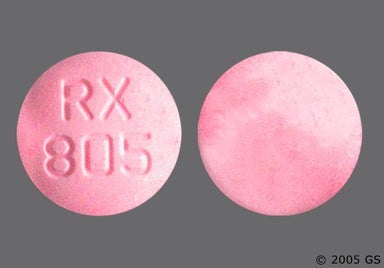
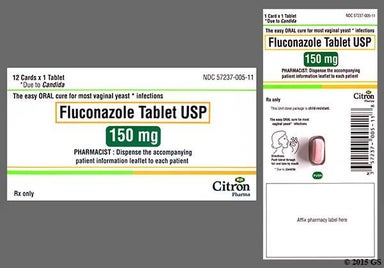
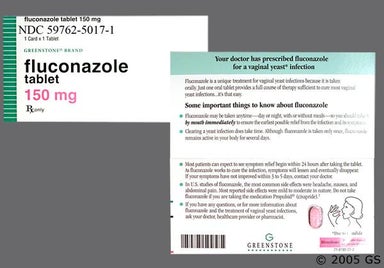
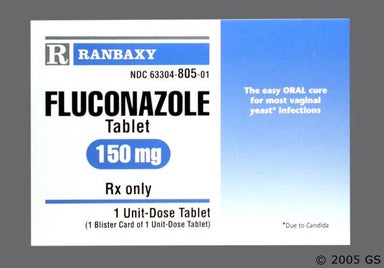
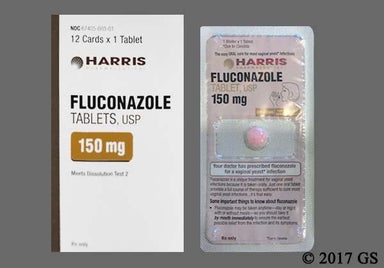
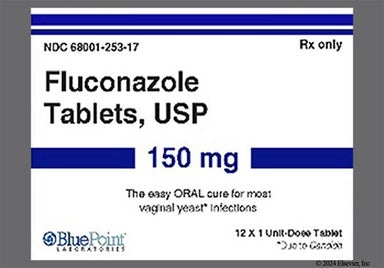
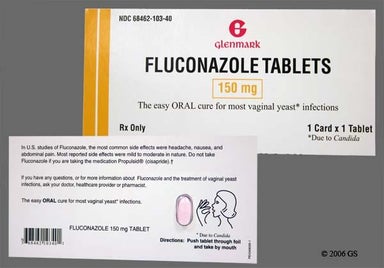
Fluconazole (Diflucan) is an azole antifungal. It's used to treat different types of Candida infections, such as vaginal yeast infections and oral thrush. It can also treat a serious brain infection called cryptococcal meningitis. Oral fluconazole (Diflucan) is available as a tablet and suspension. It's taken by mouth as a one-time dose for vaginal yeast infections; it's typically taken once daily for other types of infections. Fluconazole (Diflucan) is generally well-tolerated, but some people can experience side effects like headache, nausea, and stomach pain. Fluconazole (Diflucan) can raise the risk of liver problems, so you're recommend to avoiding drinking alcohol while taking this medication.

Fluconazole (Diflucan) is an azole antifungal medication that works by stopping the fungus from being able to make a protective covering. This causes the fungus to not grow or survive.
| Common Brands | Diflucan |
|---|---|
| Drug Class | Antifungal |
| Controlled Substance Classification | Not a controlled medication |
| Generic Status | Lower-cost generic available |
| Availability | Prescription only |

The following side effects may get better over time as your body gets used to the medication. Let your healthcare provider know immediately if you continue to experience these symptoms or if they worsen over time.
Single dose for vaginal yeast infection:
Multiple doses for other infections:
Contact your healthcare provider immediately if you experience any of the following.
Along with its needed effects, a medicine may cause some unwanted effects. Although not all of these side effects may occur, if they do occur they may need medical attention.
Check with your doctor immediately if any of the following side effects occur:
Rare
Chills
clay-colored stools
dark urine
difficulty with swallowing
dizziness
fast heartbeat
general feeling of tiredness or weakness
headache
large, hive-like swelling on the face, eyelids, lips, tongue, throat, hands, legs, feet, or genitals
light-colored stools
loss of appetite
puffiness or swelling of the eyelids or around the eyes, face, lips, or tongue
stomach pain, continuing
tightness in the chest
unpleasant breath odor
unusual tiredness or weakness
upper right abdominal or stomach pain
vomiting
vomiting of blood
yellow eyes and skin
Incidence not known
Black, tarry stools
blistering, peeling, or loosening of the skin
chest pain or discomfort
decreased urine
fainting
hoarseness
increased thirst
irregular or slow heart rate
joint or muscle pain
loss of bladder control
lower back or side pain
mood changes
muscle pain or cramps
muscle spasm or jerking of the arms and legs
numbness or tingling in the hands, feet, or lips
painful or difficult urination
pale skin
red skin lesions, often with a purple center
red, irritated eyes
seizures
sores, ulcers, or white spots in the mouth or on the lips
sudden loss of consciousness
swollen glands
unusual bleeding or bruising
Get emergency help immediately if any of the following symptoms of overdose occur:
Symptoms of overdose
Fearfulness, suspiciousness, or other mental changes
seeing, hearing, or feeling things that are not there
Some side effects may occur that usually do not need medical attention. These side effects may go away during treatment as your body adjusts to the medicine. Also, your health care professional may be able to tell you about ways to prevent or reduce some of these side effects. Check with your health care professional if any of the following side effects continue or are bothersome or if you have any questions about them:
Less common
Belching
change in taste or bad, unusual, or unpleasant (after) taste
indigestion
stomach discomfort or upset
Incidence not known
Hair loss or thinning of the hair
Other side effects not listed may also occur in some patients. If you notice any other effects, check with your healthcare professional.
Call your doctor for medical advice about side effects. You may report side effects to the FDA at 1-800-FDA-1088.



More tips for fluconazole (Diflucan) oral suspension

Fluconazole (Diflucan) can cause some serious health issues. This risk may be even higher for certain groups. If this worries you, talk to your doctor or pharmacist about other options.
Although rare, people who took fluconazole (Diflucan) have developed liver problems. Because of this risk, your prescriber might order blood tests before you start and during treatment to check your liver function tests to make sure your liver is healthy. Also, it's recommended to limit or avoid alcohol because it can also cause liver damage. Get medical attention right away if you notice yellowing of your skin or the whites of your eyes; stool changes; dark or brown urine; swelling of your stomach; stomach pain; or confusion. Your prescriber might ask you to stop taking fluconazole (Diflucan) in order to prevent further liver damage.
Severe allergic reactions to fluconazole (Diflucan) are possible, including life-threatening reactions like facial swelling, hives, and anaphylaxis (e.g., closing of the throat). If you notice difficulty breathing; a choking sensation; dizziness; fast heartbeat; nausea; or swelling around your eyes, lips, or tongue after taking fluconazole (Diflucan), get medical attention right away.
Very rarely, people have developed a serious, potentially life-threatening skin reaction called exfoliative dermatitis after starting fluconazole (Diflucan). This serious rash can cause itchiness, redness all over your body, and scaly and peeling skin. Get medical help right away if you notice a new or severe rash with fever, skin redness, or unexplained blisters.
It's generally recommended to avoid using fluconazole (Diflucan) while pregnant unless there's a clear need for the medication. While there haven't been a lot of studies about the safety of fluconazole (Diflucan) during pregnancy, the studies that are available suggest there's a small chance it can cause harm to babies. Examples include problems in the heart, head, face, and bones. If you're taking 400 mg to 800 mg of fluconazole (Diflucan) per day, it's recommended to use birth control during treatment and for 1 week after your last dose. If you become pregnant while you're taking fluconazole (Diflucan), stop taking the medication right away and talk to your prescriber about the risks and benefits of continuing to use the medication.

Your healthcare provider will determine your dose of fluconazole (Diflucan) and length of treatment based on different factors, such as the type of infection you have and severe it is.
Adults:
Children: Your child's pediatrician will determine the dose based on your child's body weight and age.
Your dose might be different if you have kidney problems.
Fluconazole (Diflucan) is also available as an intravenous (IV) injection that's given by a healthcare professional.

Although certain medicines should not be used together at all, in other cases two different medicines may be used together even if an interaction might occur. In these cases, your doctor may want to change the dose, or other precautions may be necessary. When you are taking this medicine, it is especially important that your healthcare professional know if you are taking any of the medicines listed below. The following interactions have been selected on the basis of their potential significance and are not necessarily all-inclusive.
Using this medicine with any of the following medicines is not recommended. Your doctor may decide not to treat you with this medication or change some of the other medicines you take.
Using this medicine with any of the following medicines is usually not recommended, but may be required in some cases. If both medicines are prescribed together, your doctor may change the dose or how often you use one or both of the medicines.
Using this medicine with any of the following medicines may cause an increased risk of certain side effects, but using both drugs may be the best treatment for you. If both medicines are prescribed together, your doctor may change the dose or how often you use one or both of the medicines.


Contraindications are specific health conditions or situations in which a person should not take a medication due to safety concerns. If you have any of the following conditions or if any of the following apply to you, let your healthcare provider know because Fluconazole (Diflucan) will not be safe for you to take.























Prescription savings
Stop paying too much for your prescriptions. Compare prices, get pharmacy coupons, and save up to 80%. Find expert answers to your health questions so you can make the best decisions for yourself and your family.
Health conditions
Medications & treatment
Access & affordability
Medication discounts


No, Fluconazole is an antifungal, meaning it treats infections caused by fungus. Antibiotics, however, are used to treat infections caused by bacteria.
How long it takes for Fluconazole to work depends on different factors, such as the type of infection you're taking it to treat and how serious it is. For example, if you're taking Fluconazole for a vaginal yeast infection, your symptoms should improve within 1-3 days. But if you're taking Fluconazole for oral thrush, your might need to continue treatment for several days before you notice any improvement. Continue taking Fluconazole for the amount of time your prescriber recommended, even if you start to feel better. Stopping treatment too early can cause your infection to come back or be harder to treat.
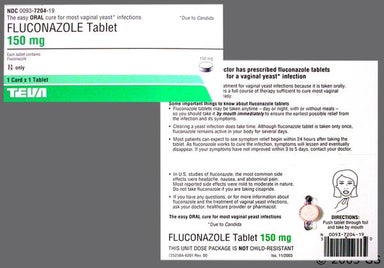
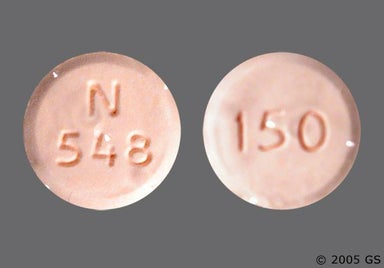
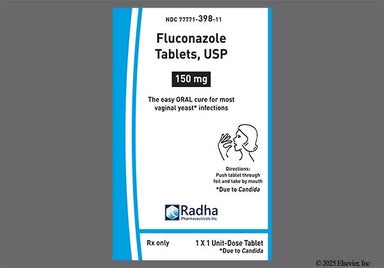
The typical dose for treating a vaginal yeast infection is Fluconazole 150 mg by mouth once as a single dose. If your symptoms don't go away within 3 days after the dose, your HCP will instruct you to take a dose of Fluconazole every 3 days for a total of 3 doses. But if you have vaginal yeast infections more than 3 times within a year, your HCP might ask you to take Fluconazole daily for a longer period of time to control the infection. Ask your healthcare team if you've more questions about how long you should take this medication.
No, Fluconazole doesn't treat bacterial vaginosis (BV). BV is a bacterial infection, so it's treated with antibiotics like metronidazole (Flagyl) or clindamycin (Clindesse) vaginal cream. Fluconazole is an antifungal, so it doesn't work for bacterial infections, just fungal infections. Symptoms of a vaginal yeast infection and BV are similar (e.g., itching, burning, irritation), so make sure to check with your gynecologist if you have these symptoms. They'll make sure you receive the most appropriate treatment for your condition.
You should avoid drinking alcohol until you've finished your course of Fluconazole. Drinking alcohol can weaken your immune system and make it harder to recover from an infection. Additionally, drinking alcohol while taking Fluconazole raises your risk for stomach-related side effects (e.g., nausea, vomiting, diarrhea) as well as the risk for liver problems. If avoiding alcohol isn't possible for you, talk to your prescriber about what's a reasonably safe amount of alcohol to drink while taking Fluconazole.
Typically, HCPs will avoid prescribing Fluconazole for people who are pregnant unless they have a serious infection that can't be treated with a safer option. Research shows taking higher doses of Fluconazole regularly during pregnancy can cause harm to unborn babies. While the same risk isn't linked to the single 150 mg dose of Fluconazole for vaginal yeast infections, it's also not recommended during pregnancy because of potential harm. Talk with your healthcare team if you have questions about Fluconazole and pregnancy.
How long the side effects of Fluconazole last depends on what symptoms you're experiencing and whether they can be managed with lifestyle changes or other medications. For example, one of the more common side effects of Fluconazole is headache, which typically goes away on its own. But in the meantime, you can ease headache by drinking enough water or taking an over-the-counter pain medication that's safe for you. Another example is that taking Fluconazole can raise the risk for liver problems. This side effect is rare and typically don't lead to symptoms, but your HCP might ask you to avoid drinking alcohol while you're taking Fluconazole to minimize the risk of serious liver damage. Talk to your healthcare team if you're concerned with certain side effects of Fluconazole.
It takes about 6 days for most of Fluconazole to leave your body after a dose. This timeframe is estimated based on the half-life of Fluconazole. But if you have kidney problems, it can take up to 20 days for the body to remove Fluconazole. Because this medication can stay in the body for a long time and has the potential to cause birth defects, anyone who is able to become pregnant should use birth control until at least a week after their last dose. Talk with your healthcare team if you have specific concerns about how long this medication might stay in your body.
