ferric citrate
Auryxia (ferric citrate) is a phosphate binder used to treat high phosphorus levels (hyperphosphatemia) in adults with chronic kidney disease (CKD) on dialysis. It's also used as an iron supplement to treat iron-deficiency anemia (IDA) in adults with CKD who aren't on dialysis. Auryxia (ferric citrate) comes as a 210 mg tablet and is taken by mouth three times per day with meals. It's not available as a generic. Common side effects include dark stools, diarrhea, and constipation.


What is Auryxia (ferric citrate)?
What is Auryxia (ferric citrate) used for?
- High phosphorus levels (hyperphosphatemia) in adults with chronic kidney disease (CKD) on dialysis
- Iron-deficiency anemia (IDA) in adults with CKD not on dialysis
How Auryxia (ferric citrate) works
Auryxia (ferric citrate) is a phosphate binder. It works by attaching to phosphorus from the food you eat in your stomach. This prevents phosphorus from being absorbed into the blood, allowing it to leave the body through waste. By lowering phosphorus levels, Auryxia (ferric citrate) helps protect your kidneys and bones.
Auryxia (ferric citrate) also acts as an iron supplement. It provides your body with iron, an important mineral needed to make hemoglobin. Hemoglobin is a protein in red blood cells that carries and delivers oxygen through your body.
Drug facts
| Common Brands | Auryxia |
|---|---|
| Drug Class | Phosphate binder |
| Controlled Substance Classification | Not a controlled medication |
| Generic Status | Lower-cost generic available |
| Availability | Prescription only |

Side effects of Auryxia (ferric citrate)
The following side effects may get better over time as your body gets used to the medication. Let your healthcare provider know immediately if you continue to experience these symptoms or if they worsen over time.
Common Side Effects
- Dark stools (22%)
- Diarrhea (21%)
- Constipation (18%)
- Nausea (10%)
Less Common Side Effects
- Stomach pain
- Cough
- High blood potassium levels
Auryxia (ferric citrate) serious side effects
Contact your healthcare provider immediately if you experience any of the following.
- Iron overdose: nausea, vomiting, pale or bluish colored skin, stomach pain or cramps, tarry stool, seizures, extreme sleepiness, coma
The following Auryxia (ferric citrate) side effects have also been reported
Side effects that you should report to your care team as soon as possible:
- Allergic reactions—skin rash, itching, hives, swelling of the face, lips, tongue, or throat
Side effects that usually do not require medical attention (report to your care team if they continue or are bothersome):
- Constipation
- Dark stools
- Metallic taste in mouth
- Nausea
- Upset stomach

Get your GoodRx coupon

Pros and cons of Auryxia (ferric citrate)
Pros
- Good option for lowering phosphorus levels and raising iron stores
- Dose can be adjusted based on your blood test results
- Specifically approved for people with CKD
Cons
- Needs to be taken up to three times per day with meals
- Commonly causes dark stools, constipation, and diarrhea
- Can interact with some medications by changing how they are absorbed

Pharmacist tips for Auryxia (ferric citrate)

- Take Auryxia (ferric citrate) three times per day with each meal. If you're taking it to lower phosphorus levels, ask your prescriber if you should also take it with snacks. Swallow the tablet whole to avoid staining your teeth and mouth.
- Mark your calendar with your appointments to see your prescriber and get blood tests during treatment with Auryxia (ferric citrate). Your prescriber will monitor your phosphorus and iron levels to check how the medication is working for you.
- Stomach-related side effects, like diarrhea, constipation, nausea, and stomach pain, are common with Auryxia (ferric citrate). Contact your care team if these side effects don't go away or become severe.
- Auryxia (ferric citrate) can cause a change in stool color, which is common with iron-containing medications. Don't be alarmed if you see your stool turn a tarry-black color.
- If you're prescribed doxycycline or ciprofloxacin antibiotics, let your care team know you're taking Auryxia (ferric citrate). You’ll need to space out when you take your medications. Take doxycycline at least 1 hour before Auryxia (ferric citrate), and for ciprofloxacin, wait at least 2 hours before or after taking Auryxia (ferric citrate).
- Check the labels of any vitamins or supplements to see if they contain iron while taking Auryxia (ferric citrate). Too much iron can cause side effects like upset stomach, nausea, and constipation.
- Keep Auryxia (ferric citrate) out of reach of children to avoid accidental ingestion. If your child takes Auryxia (ferric citrate) and experiences vomiting blood, diarrhea, or stomach pain, call the Poison Control Center at 1-800-222-1222 right away.

Risks and warnings for Auryxia (ferric citrate)
Auryxia (ferric citrate) can cause some serious health issues. This risk may be even higher for certain groups. If this worries you, talk to your doctor or pharmacist about other options.
Iron overdose
- Risk factors: Taking too much iron
If you take multiple medications or supplements with iron or take more Auryxia (ferric citrate) than recommended, there's a chance that your iron levels might become too high. This is dangerous because it can lead to problems such as tears in the gut, seizures, and liver damage. Your prescriber will regularly check your iron levels with blood tests while you're taking Auryxia (ferric citrate). Let your care team know right away if you experience symptoms of too much iron, such as nausea, vomiting, stomach pain, and diarrhea.
Accidental iron overdose in children
- Risk factors: Children under age 6
Accidental overdose of iron-containing products like Auryxia (ferric citrate) can be very dangerous for children under age 6. Keep Auryxia (ferric citrate) out of their reach to prevent accidental ingestion. If your child takes Auryxia (ferric citrate) and shows signs like vomiting blood, diarrhea, or stomach pain, call the Poison Control Center immediately at 1-800-222-1222.

Auryxia (ferric citrate) dosage
 Bottle
| Dosage | Quantity | Price as low as | Price per unit |
|---|---|---|---|
| 200 tablets of 210mg | 1 bottle | $389.73 | $389.73 |

How much does Auryxia (ferric citrate) cost?

Auryxia (ferric citrate) contraindications
Contraindications are specific health conditions or situations in which a person should not take a medication due to safety concerns. If you have any of the following conditions or if any of the following apply to you, let your healthcare provider know because Auryxia (ferric citrate) will not be safe for you to take.
- Conditions that cause high iron levels (e.g., hemochromatosis)

What are alternatives to Auryxia (ferric citrate)?

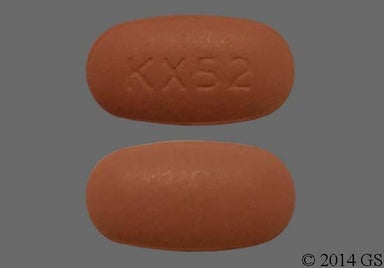
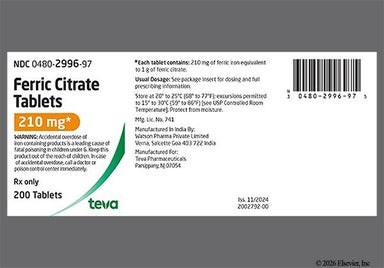
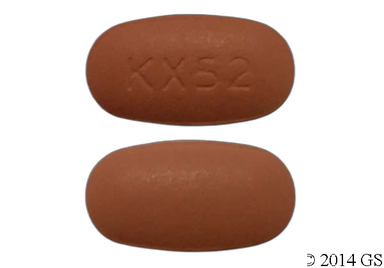
Auryxia (ferric citrate) images