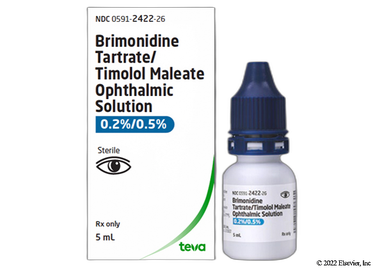
brimonidine / timolol
Combigan is a combination eye drop containing brimonidine (an alpha agonist) and timolol (a beta blocker). It's used to lower high pressure inside the eye in adults with conditions like glaucoma or ocular hypertension. Typically, you apply one drop to the affected eye(s) twice daily, about 12 hours apart. Common side effects include eye redness, itching, or dryness. Combigan (brimonidine / timolol) is available as both a brand-name and generic medication.


What is Combigan (brimonidine / timolol)?
What is Combigan (brimonidine / timolol) used for?
Treatment of high pressure in the eye in people ages 2 years and older with:
How Combigan (brimonidine / timolol) works
Combigan is a combination eye drop containing two medications that work differently to lower eye pressure.
- Brimonidine is an alpha agonist. It works to lessen how much fluid is made in the eye and also to help more fluid flow out of the eye.
- Timolol is a non-selective beta blocker. It works to lower the amount of fluid that's made in the eye.
Drug facts
| Common Brands | Combigan |
|---|---|
| Drug Class | Alpha agonist / Beta blocker |
| Controlled Substance Classification | Not a controlled medication |
| Generic Status | Lower-cost generic available |
| Availability | Prescription only |

Side effects of Combigan (brimonidine / timolol)
The following side effects may get better over time as your body gets used to the medication. Let your healthcare provider know immediately if you continue to experience these symptoms or if they worsen over time.
Common Side Effects
Reported in up to 15% of people in clinical studies:
- Eye redness
- Eye itching
- Eye burning or stinging
Less Common Side Effects
- Dry eye or eye irritation
- Eye pain
- Eyelid swelling, redness, or itching
- Crusting or discharge from the eye
- Feeling like there's something in your eye
- Headache
- Dry mouth
- Changes in vision
Combigan (brimonidine / timolol) serious side effects
Contact your healthcare provider immediately if you experience any of the following.
- Allergic reaction: skin rash (hives), itching, eye redness, swollen eyes, shortness of breath
The following Combigan (brimonidine / timolol) side effects have also been reported
Side effects that you should report to your care team as soon as possible:
- Allergic reactions—skin rash, itching, hives, swelling of the face, lips, tongue, or throat
- Heart failure—shortness of breath, swelling of the ankles, feet, or hands, sudden weight gain, unusual weakness or fatigue
- Low blood pressure—dizziness, feeling faint or lightheaded, blurry vision
- New or worsening eye pain, redness, irritation, or discharge
- Slow heartbeat—dizziness, feeling faint or lightheaded, confusion, trouble breathing, unusual weakness or fatigue
Side effects that usually do not require medical attention (report these to your care team if they continue or are bothersome):
- Change in taste
- Dry eyes
- Dry mouth
- Eye irritation or itching
- Headache
- Increased tears after use

Pros and cons of Combigan (brimonidine / timolol)
Pros
- Convenient to have a single eye drop that combines two different medications
- Can be stored at room temperature
- Possible option for children older than 2 years old
Cons
- Used twice a day
- Can cause tiredness or drowsiness in some people
- Not for people with asthma, severe chronic obstructive pulmonary disease (COPD), or certain heart-related problems

Pharmacist tips for Combigan (brimonidine / timolol)

- Mark your appointments on your calendar to visit your optometrist or ophthalmologist. You'll need regular eye exams so that your eye specialist can check how well Combigan (brimonidine / timolol) is working for you and whether there are any side effects related to the eyes.
- Remove any soft contact lenses from your eye(s) before placing the Combigan (brimonidine / timolol) eye drops. The eye drops contain a preservative that can damage your contacts. You can put your contacts back in 15 minutes after you use the eye drops.
- You might need to use many different eye drop medications to help lower your eye pressure. Wait at least 5 minutes between each eye medication medication to give your eye(s) time to absorb each one.
- Combigan (brimonidine / timolol) can cause your vision to become blurry temporarily after you put the medication into your eye. Don't drive until your vision clears up.
- Make sure to keep the bottle capped and closed tightly when you're not using it. This will help keep it clean and free of germs. Also, don't touch the dropper tip with your hands or let it touch your eye or any other surface. Otherwise, germs can get into medication. You could be at risk for an eye infection if you use contaminated eye drops.
- Tell your care team about all of the medications you're taking or planning to take, including medications that you take by mouth. Combigan (brimonidine / timolol) can interact with other medications so it's important for your care team to check that all of your medications are safe to take together.
- Store Combigan (brimonidine / timolol) only at room temperature and keep it away from light.
How to use Combigan (brimonidine / timolol):
- Wash your hands well with soap and water before you use the eye drops.
- Tilt your head back so you're looking at the ceiling. Use your index (pointer) finger to pull your lower eyelid down to form a pocket.
- Gently squeeze 1 drop of medication into the pocket. Then, close your eye and lightly press on the inside corner of your eye for at least a minute. You can wipe away any extra liquid around the eye with a clean tissue.

Risks and warnings for Combigan (brimonidine / timolol)
Combigan (brimonidine / timolol) can cause some serious health issues. This risk may be even higher for certain groups. If this worries you, talk to your doctor or pharmacist about other options.
Only use in the eye
Only put Combigan (brimonidine / timolol) eye drops on the surface of the eye. Avoid touching the tip of the eye drop bottle to lower the risk of contamination. Don't swallow the medication or use the suspension as an injection.
Allergic reaction of the eye
Some people have reported allergic reactions to brimonidine-containing eye drops, sometimes months after starting the medication. Symptoms include eye itchiness, watery eyes, and eyelid swelling. Let your healthcare team know if you notice symptoms of allergic reactions after starting Combigan (brimonidine / timolol).
Interaction with inhaled beta agonists for asthma or COPD
- Risk factors: Asthma, COPD, or other breathing conditions
Though not common, the timolol in Combigan can get absorbed into your body and counteract the effects of inhaled beta agonists (e.g., albuterol (Ventolin), levalbuterol (Xopenex)). This can make them not work as well to treat sudden trouble breathing in people with asthma or chronic obstructive pulmonary disease (COPD). Tell your care team if you have asthma or COPD. They'll likely switch you to a different eye drop medication that doesn't contain a beta blocker like timolol.
Worsening heart problems
- Risk factors: History of heart failure
Although rare, it's possible for timolol in Combigan to get absorbed into your body and affect the heart. Timolol can slow down heart rate and lower blood pressure, which might worsen certain heart conditions like heart failure. Make sure your care team knows about all of your medical conditions and medications you're taking before starting Combigan (brimonidine / timolol). Seek medical help if you experience shortness of breath, lower ability to exercise, tiredness, weakness, or swelling in your legs, ankles, or feet.
Worsening of other medical conditions
- Risk factors: History of serious allergic reactions | Blood flow problems | Depression | Muscle weakness
There have been reports of Combigan (brimonidine / timolol) worsening other medical conditions, including those related to blood flow (vascular insufficiency) and muscle weakness (including eyelid drooping).
In addition, timolol in Combigan might make you more sensitive to allergens (or make your allergic reactions more severe) if you have a history of allergic reactions.
Let your healthcare team know about all of your medical conditions before starting Combigan (brimonidine / timolol).
Masked symptoms of low blood sugar in people with diabetes
Beta blockers, like timolol in Combigan, can hide certain symptoms of low blood sugar, such as fast heartbeat and shakiness. If you have diabetes, you might need to check your blood sugar more often while taking Combigan (brimonidine / timolol). Make sure you know how to recognize and treat low blood sugar. If you experience any symptoms of low blood sugar (e.g., dizziness, sweating, confusion), get medical help right away.
Masked symptoms of high thyroid hormone levels (hyperthyroidism)
- Risk factors: Hyperthyroidism
Combigan (brimonidine / timolol) can hide certain symptoms of hyperthyroidism (overactive thyroid), like fast heart rate and tremors. Let your care team know if you have hyperthyroidism before starting Combigan (brimonidine / timolol).
Your prescriber might ask you to make appointments with your thyroid specialist while you're using Combigan (brimonidine / timolol) to monitor your thyroid health. Don't suddenly stop taking Combigan (brimonidine / timolol) without first talking to your eye specialist. Doing so can lead to a dangerous condition called "thyroid storm,” which include symptoms such as a high temperature, rapid heartbeat, and confusion.

Combigan (brimonidine / timolol) dosage


How much does Combigan (brimonidine / timolol) cost?

Combigan (brimonidine / timolol) contraindications
Contraindications are specific health conditions or situations in which a person should not take a medication due to safety concerns. If you have any of the following conditions or if any of the following apply to you, let your healthcare provider know because Combigan (brimonidine / timolol) will not be safe for you to take.
- Breathing problems (e.g., asthma or COPD)
- Symptomatic heart failure
- Second or third degree heart block
- Slow heartbeat
- Heart not pumping enough blood
- Age less than 2 years
- Allergy to brimonidine or timolol

What are alternatives to Combigan (brimonidine / timolol)?
Treatment of high pressure in the eye in people ages 2 years and older with:
Treatment of high pressure in the eye in people ages 2 years and older with:

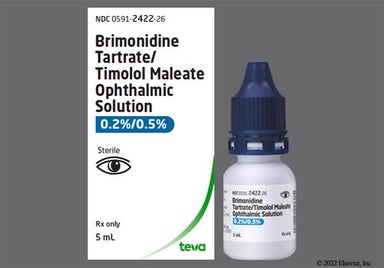
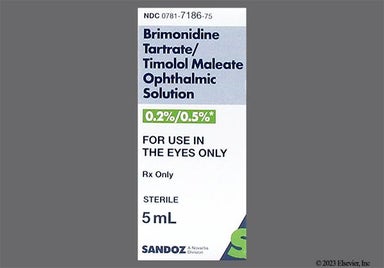
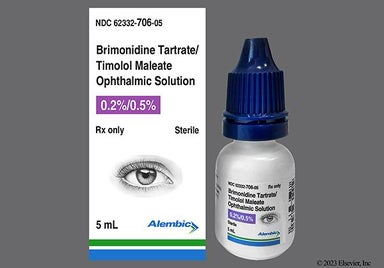
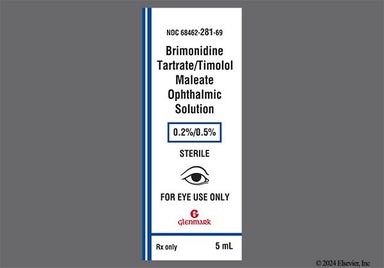
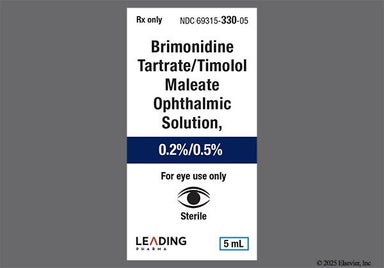
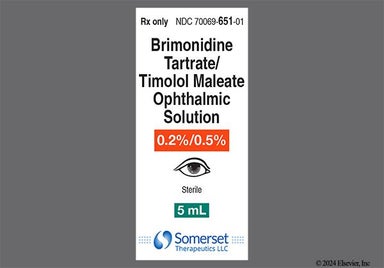
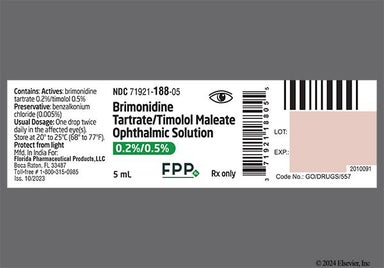
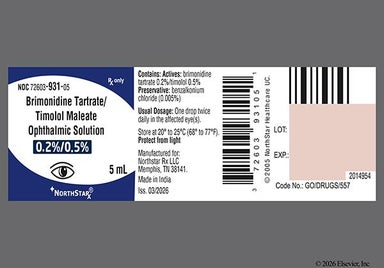
Combigan (brimonidine / timolol) images