


11 Medications That Cause Coughing: Here’s What to Know About a Drug-Induced Cough
Certain medications, such as lisinopril, simvastatin, and carvedilol, may cause a cough. Learn more about medications that cause coughing here.

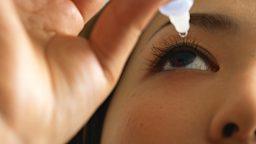
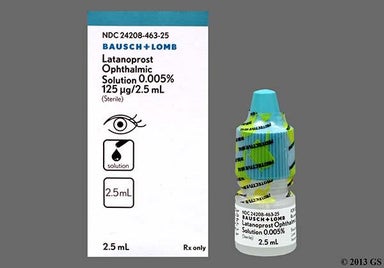
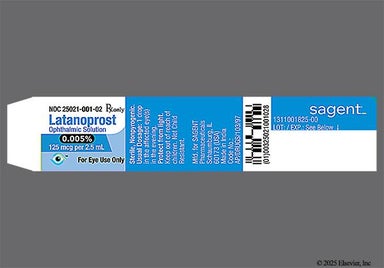
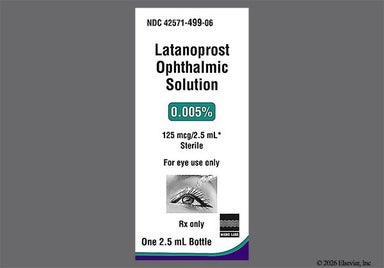
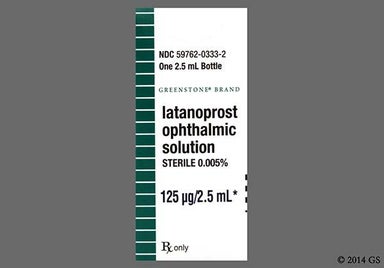
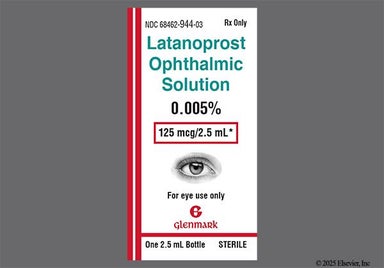
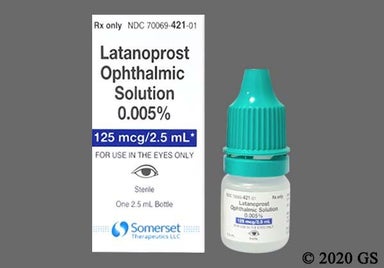
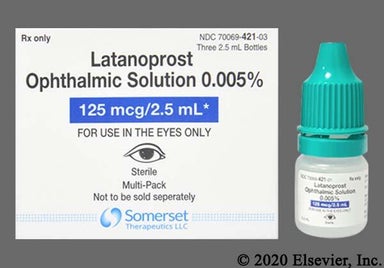
Latanoprost (Xalatan) is an eye drop medication. It's used in adults to treat conditions related to high pressure in the eye, such as glaucoma. It works as a prostaglandin to help with high eye pressure. The typical dosage is 1 drop in the affected eye(s) once each night. Side effects include feeling like there's something in the eye, burning, and stinging. Unopened bottles need to be refrigerated. But once opened, you keep the medication at room temperature. Latanoprost (Xalatan) is available as a brand-name and generic medication.

Latanoprost (Xalatan) is a prostaglandin. It works by draining fluid from the eyes. This helps lower the pressure inside the eyes.
| Common Brands | Xalatan |
|---|---|
| Drug Class | Prostaglandin |
| Controlled Substance Classification | Not a controlled medication |
| Generic Status | Lower-cost generic available |
| Availability | Prescription only |

The following side effects may get better over time as your body gets used to the medication. Let your healthcare provider know immediately if you continue to experience these symptoms or if they worsen over time.
Contact your healthcare provider immediately if you experience any of the following.
Along with its needed effects, a medicine may cause some unwanted effects. Although not all of these side effects may occur, if they do occur they may need medical attention.
Check with your doctor immediately if any of the following side effects occur:
More common
Eye pain or stinging
Less common
Decreased vision
painful irritation of the clear front part of the eye
swelling or redness of the eye and the lining of the eyelid
Incidence not known
Arm, back, or jaw pain
blistering, peeling, or loosening of the skin
blurred vision or other change in vision
burning, dry, or itching eyes
chest pain or discomfort
chest tightness or heaviness
chills
difficulty breathing
discharge, excessive tearing
fast, irregular, pounding, or racing heartbeat or pulse
joint or muscle pain
noisy breathing
red skin lesions, often with a purple center
sensitivity of the eye to light
sores, ulcers, or white spots in the mouth or on the lips
tearing
unusual tiredness or weakness
Some side effects may occur that usually do not need medical attention. These side effects may go away during treatment as your body adjusts to the medicine. Also, your health care professional may be able to tell you about ways to prevent or reduce some of these side effects. Check with your health care professional if any of the following side effects continue or are bothersome or if you have any questions about them:
More common
Drainage from the eyes
longer and thicker eyelashes
Less common
Eyelash discoloration
feeling of having something in the eye
Incidence not known
Darkening of the eyelid skin color
dizziness
headache
Other side effects not listed may also occur in some patients. If you notice any other effects, check with your healthcare professional.
Call your doctor for medical advice about side effects. You may report side effects to the FDA at 1-800-FDA-1088.




Latanoprost (Xalatan) can cause some serious health issues. This risk may be even higher for certain groups. If this worries you, talk to your doctor or pharmacist about other options.
Latanoprost (Xalatan) can make the color of your eye, eyelashes, or eyelid darker (browner). This happens because the medication causes the levels of melanin in and around your eye to go up. Melanin is a protein that's responsible for the color of certain parts of your eye.
You might not notice changes in color until after a few months or years of using latanoprost (Xalatan). Color changes in the iris (the circular colored part of your eye) are most likely permanent. Your eyelashes and the skin around your eyes might also get darker. But this could go away after you stop using the medication.
These side effects aren't particularly harmful. But it's best to check in with your eye specialist regularly so they can make sure your eyes stay healthy.
Over time, your eyelashes might grow longer or thicker while you're using latanoprost (Xalatan). You also might have more eyelashes in general. These changes usually go away after you stop using the medication.
Latanoprost (Xalatan) can cause eye inflammation (redness and swelling). It can also make any inflammation worse if you already have eye problems. Tell your eye specialist if you feel eye discomfort or have vision changes while using latanoprost (Xalatan).
Some people who used latanoprost (Xalatan) had swelling in the retina. This eye condition is called macular edema. Talk to your eye specialist about your risk of macular edema. They'll check your eyes often during treatment.
Macular edema can cause vision changes, like blurry vision or colors looking dull. Tell your eye specialist if you notice any changes in your vision while using latanoprost (Xalatan).
Tell your eye specialist if you've had a viral eye infection called herpes keratitis. In some people, this infection has come back while using latanoprost (Xalatan). Avoid using this eye drop if the infection is active because it can make eye inflammation worse.
Eye infections can happen if your bottle of latanoprost (Xalatan) gets germs in it and you use the medication. Some people who used contaminated eye drops got an eye infection called bacterial keratitis. This affects the cornea (the protective covering on the front of the eye). It can cause eye swelling and pain.
To lower the risk of this happening, always wash your hands before using latanoprost (Xalatan). Don't let the dropper tip touch your eye or anything else. Also don't touch the tip with your hands or fingers.
Latanoprost (Xalatan) has a preservative called benzalkonium chloride in it. This preservative can get absorbed by soft contact lenses and damage them.
Take out your soft contact lenses before using latanoprost (Xalatan) eye drops. Then, wait at least 15 minutes before putting your contacts back in.

 Eye dropper
| Dosage | Quantity | Price as low as | Price per unit |
|---|---|---|---|
| 2.5ml of 0.005% | 1 eye dropper | $13.43 | $13.43 |

Although certain medicines should not be used together at all, in other cases two different medicines may be used together even if an interaction might occur. In these cases, your doctor may want to change the dose, or other precautions may be necessary. Tell your healthcare professional if you are taking any other prescription or nonprescription (over-the-counter [OTC]) medicine.


Contraindications are specific health conditions or situations in which a person should not take a medication due to safety concerns. If you have any of the following conditions or if any of the following apply to you, let your healthcare provider know because Latanoprost (Xalatan) will not be safe for you to take.







Prescription savings
Stop paying too much for your prescriptions. Compare prices, get pharmacy coupons, and save up to 80%.Resources
About GoodRx
 Find expert answers to your health questions so you can make the best decisions for yourself and your family.
Health conditions
Medications & treatment
Access & affordability
Well-being
Medication discounts

After you put a drop of Latanoprost in your eye, it starts lowering eye pressure in about 3 to 4 hours. It takes 8 to 12 hours after using the medication for its maximum effect. Follow up with your eye specialist after a few weeks or months. They'll check how well the medication is lowering your eye pressure.
It depends on if you've opened the bottle of Latanoprost or not. Unopened bottles of the medication should be refrigerated. This helps the medication last until the expiration date listed on the packaging. But once you open a bottle and start using it, keep it at room temperature (up to 77ºF) for up to 6 weeks. After 6 weeks, throw it away even if there's some medication left inside.
Latanoprost is usually used at night because research shows that it works better at controlling eye pressure then. Eye pressure is often highest when you're lying down, like when you're sleeping. To help you remember to use the eye drops at night, use them at around the same time as another bedtime habit. For example, you could use Latanoprost after brushing your teeth. If using the drops at night doesn't work well with your daily routine, talk to your prescriber.
Latanoprost is usually a safe choice for most people with high eye pressure. But you shouldn't use this medication if you're allergic to benzalkonium chloride (a type of preservative). You also shouldn't use it if you've had an allergic reaction to other latanoprost medications, such as Iyuzeh). In addition, Latanoprost isn't recommended if you already use another prostaglandin eye drop, like Lumigan (bimatoprost). Using more than one of these eye drops might not help and could raise eye pressure instead. Talk to your eye specialist if you have concerns.
Studies show that older adults have similar side effects from Latanoprost as younger people. Everyone has the same level of risk of side effects from the medication. Common side effects include stinging, burning, and itchy eye after using the drops. Some people might also feel like something is in their eye.
No. Latanoprost has a preservative in it. But there's a preservative-free version of latanoprost available called Iyuzeh. If you prefer a preservative-free option, ask your eye specialist.
Latanoprost and bimatoprost (Lumigan) are both prostaglandin eye drops. They both help lower eye pressure. But some studies show that bimatoprost (Lumigan) might work a little better. The side effects can also be slightly different. Latanoprost might be more likely to cause headaches, while bimatoprost (Lumigan) might cause more eye redness. In addition, the eye drops are also stored differently. Unopened bottles of Latanoprost are refrigerated. Then, the medication is kept at room temperature for up to 6 weeks once opened. Bimatoprost (Lumigan) is kept at room temperature, both when unopened and opened. Talk to your eye specialist to help compare the medications.
