Key takeaways:
Semaglutide, the active ingredient in Ozempic and Wegovy, is FDA approved for weight management and Type 2 diabetes. Recent research suggests it may also be a promising treatment for cannabis use disorder (CUD).
It isn’t clear how semaglutide may help with CUD. But it seems to lower cravings and make food and other addictive substances feel less rewarding. It’s being studied for several types of substance use disorders.
There are some concerns about combining semaglutide and THC. Cannabis may make semaglutide less effective. And semaglutide may increase the potency of cannabis edibles. Talk to your prescriber before combining cannabis with semaglutide.
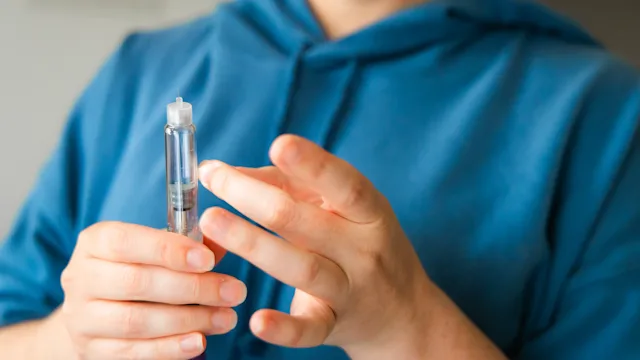
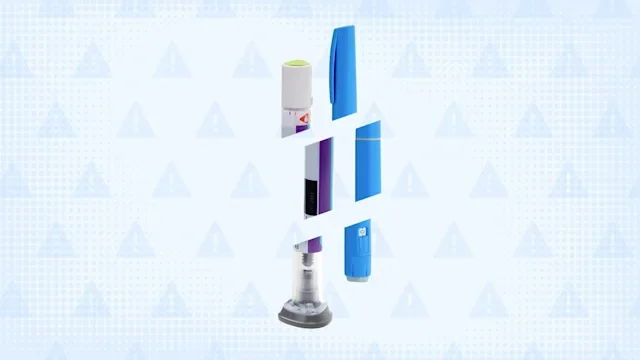
Ozempic and Wegovy are popular medications that contain the active ingredient semaglutide. Most people know about them for weight management and managing Type 2 diabetes. But they also offer other benefits, such as protecting your heart.
A recent study shows that semaglutide medications may offer another surprising benefit: They may help prevent or treat cannabis use disorder. Here’s what the latest research says about semaglutide and THC.
What’s the link between semaglutide and cannabis use disorder?
A study published in March 2024 found that semaglutide may reduce the risk of developing cannabis use disorder (CUD). They also found that semaglutide may prevent a repeat CUD diagnosis in people with a history of CUD.
In this study, people were divided into two groups: those taking semaglutide to treat obesity and those taking it for diabetes. Each group was then compared with people taking medications other than semaglutide for each condition. People taking semaglutide were less likely to be diagnosed with CUD.
This table summarizes key findings from the study.
Group | No prior history of CUD | History of CUD |
Semaglutide for obesity | 44% less likely to be diagnosed with CUD | 38% less likely to have a repeat CUD diagnosis |
Semaglutide for diabetes | 60% less likely to be diagnosed with CUD | 34% less likely to have a repeat CUD diagnosis |
Keep in mind, this study looked at patient medical records to come to these conclusions. It’s a promising start, but we’ll need to wait for a randomized controlled trial (the type of study needed to determine cause and effect) to confirm these findings.
How does semaglutide work?
Semaglutide is a glucagon-like peptide-1 (GLP-1) receptor agonist. It mimics the action of a hormone called GLP-1. Semgalutide works by:
Helping to control blood glucose (sugar) levels after eating
Slowing down digestion, which helps you feel fuller for longer
Decreasing appetite and cravings
Preventing your body from releasing glucagon, a hormone that increases blood glucose.
These combined effects lead to better blood glucose control and weight loss in people living with Type 2 diabetes or obesity.
How may semaglutide help with addiction?
It’s unclear exactly how semaglutide, the active ingredient in Ozempic and Wegovy, may help reduce substance use.
One theory is that semaglutide helps regulate dopamine levels. Dopamine is a chemical in your brain that makes you feel good. It’s released when you eat, laugh, or do something enjoyable. Many addictive substances, such as alcohol and opioids, can cause a big rush of dopamine in the brain. This makes your body crave these substances more.
GLP-1 receptors may also play a role in reducing the rewarding feelings you get from consuming food and other substances.
Semgalutide may help control dopamine levels and act on GLP-1 receptors. In turn, this may help reduce cravings as well as the risk of developing substance use disorders.
Can semaglutide reduce cravings for other substances?
Possibly — some research suggests that semaglutide may be able to reduce cravings for substances other than cannabis, including:
Opioids: One study found that people taking semaglutide for diabetes who had a history of opioid use disorder were less likely to experience an opioid overdose.
Alcohol: A small human study also showed a decrease in alcohol cravings while using semaglutide. In a study similar to the one on CUD, people taking semaglutide were up to 56% less likely to report new or recurring alcohol use disorder.
Nicotine: People taking semaglutide reported fewer nicotine cravings while trying to quit smoking. And more studies are trying to determine if it can actually help you quit smoking.
Other habits: People report a lower desire for addictive habits, such as shopping or gambling, while using semaglutide.
Is it safe to consume cannabis while using an injectable weight-loss drug like Wegovy?
We don’t know for sure whether it’s safe to combine semaglutide and THC (the main active ingredient in cannabis). There are a couple of concerns:
Semaglutide may slow down the digestion of cannabis edibles, which may make their effects take longer to work and last longer than expected.
Cannabis may reduce GLP-1 levels in the body. This may make semaglutide less effective.
Cannabis may increase your appetite, which can make semaglutide less effective for weight loss.
Talk to your prescriber before consuming cannabis if you’re currently taking a semaglutide medication such as Ozdempic or Wegovy.
What are the treatments for cannabis use disorder?
Thus far, we don’t have any FDA-approved medications for CUD. This is one reason experts are so interested in semaglutide’s potential.
CUD treatment typically involves behavioral therapy while gradually reducing cannabis use over time. If you’re concerned about your cannabis use, ask a healthcare professional for guidance. They can help you find a treatment plan that works for you.
If you or someone you know struggles with substance use, help is available. Call SAMHSA’s National Helpline at 1-800-662-4357 to learn about resources in your area.
The bottom line
Semaglutide, the active ingredient in Ozempic and Wegovy, is FDA approved for Type 2 diabetes and weight management. But new research suggests it may also have a role in treating cannabis use disorder. We don’t know for sure how semaglutide may help reduce substance misuse. But it seems to help lower dopamine levels and reduce cravings for addictive substances.
There are also other concerns when it comes to semaglutide and THC. Cannabis may make semaglutide less effective. And semaglutide’s effects may make cannabis edibles more potent than expected. So talk to your healthcare team before combining semaglutide and cannabis.
The research on semaglutide and cannabis use disorder is still in the early stages. If you’re concerned about your cannabis use, ask a healthcare professional for guidance.
References
Collins, L., et al. (2024). Glucagon-like peptide-1 receptor agonists. StatPearls.
Conner, J. P., et al. (2022). Clinical management of cannabis withdrawal. Addiction.
Engel, J. A., et al. (2014). Role of appetite-regulating peptides in the pathophysiology of addiction: Implications for pharmacotherapy. CNS Drugs.
Farokhnia, M., et al. (2020). Effects of oral, smoked, and vaporized cannabis on endocrine pathways related to appetite and metabolism: A randomized, double-blind, placebo-controlled, human laboratory study. Translational Psychiatry.
Hendershot, C. S., et al. (2025). Once-weekly semaglutide in adults with alcohol use disorder: A randomized clinical trial. JAMA Psychiatry.
Klausen, M. K., et al. (2021). The role of glucagon‐like peptide 1 (GLP‐1) in addictive disorders. British Journal of Pharmacology.
Qeadan, F., et al. (2025). The association between glucose-dependent insulinotropic polypeptide and/or glucagon-like peptide-1 receptor agonist prescriptions and substance-related outcomes in patients with opioid and alcohol use disorders: A real-world data analysis. Addiction.
Saltzman, J. (2025). Drinking. Gambling. Online shopping. Researchers are exploring if obesity drugs could curb cravings beyond food. The Boston Globe.
Sanders, L. (2023). The weight-loss drug Wegovy may also help treat addiction. Science News.
Substance Abuse and Mental Health Services Administration. (2023). SAMHSA’s national helpline.
Venugopal, S. K., et al. (2023). Physiology, glucagon. StatPearls.
Wang, W., et al. (2024). Associations of semaglutide with incidence and recurrence of alcohol use disorder in real-world population. Nature Communications.
Wang, W., et al. (2024). Association of semaglutide with reduced incidence and relapse of cannabis use disorder in real-world populations: A retrospective cohort study. Molecular Psychiatry.
Wang, W., et al. (2024). Semaglutide and opioid overdose risk in patients with type 2 diabetes and opioid use disorder. JAMA Network Open.

Why trust our experts?