





What Pharmacists Say About the Best Time to Take Wellbutrin (Plus 6 More Tips)
Wellbutrin is a medication that’s used to treat depression in adults. Learn when is the best time to take it, what to do if you miss a dose, and more.

Bupropion is taken by mouth to treat depression and seasonal affective disorder (SAD). It's available as short-acting tablets that are taken two or three times a day, as well as long-acting versions that are taken once daily. Bupropion has fewer sexual side effects compared to other antidepressants, but it's not a good choice for people with a history of seizures, eating disorders, or drink alcohol regularly.

Bupropion is an atypical antidepressant. It's not fully known how the medication works but it's thought to boost norepinephrine and dopamine levels in the brain, which can help to improve mood and depression.
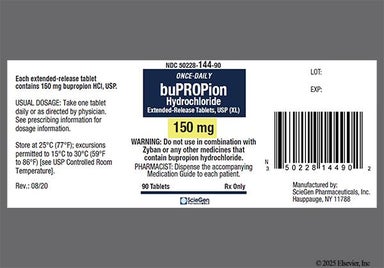
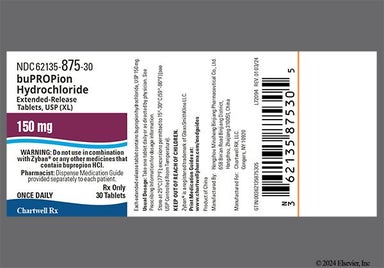
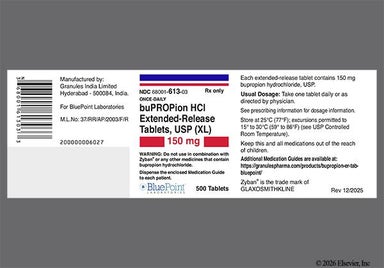
| Common Brands | Wellbutrin XL, Wellbutrin SR, Forfivo XL |
|---|---|
| Drug Class | Atypical antidepressant |
| Controlled Substance Classification | Not a controlled medication |
| Generic Status | Lower-cost generic available |
| Availability | Prescription only |

The following side effects may get better over time as your body gets used to the medication. Let your healthcare provider know immediately if you continue to experience these symptoms or if they worsen over time.
Contact your healthcare provider immediately if you experience any of the following.
Along with its needed effects, a medicine may cause some unwanted effects. Although not all of these side effects may occur, if they do occur they may need medical attention.
Check with your doctor immediately if any of the following side effects occur:
More common
hyperventilation
irregular heartbeats
irritability
restlessness
shaking
trouble sleeping
Rare
Confusion
fainting
false beliefs that cannot be changed by facts
having extreme distrust of people
seeing, hearing, or feeling things that are not there
seizures
trouble concentrating
Incidence not known
Actions that are out of control
anger
assaulting or attacking others
being aggressive or impulsive
chest pain or discomfort
fast or pounding heartbeat
force
inability to sit still
need to keep moving
sweating
talking, feeling, or acting with excitement
Get emergency help immediately if any of the following symptoms of overdose occur:
Symptoms of overdose
Lightheadedness, dizziness, or fainting
loss of consciousness
slow or irregular heartbeat
unusual tiredness
Some side effects may occur that usually do not need medical attention. These side effects may go away during treatment as your body adjusts to the medicine. Also, your health care professional may be able to tell you about ways to prevent or reduce some of these side effects. Check with your health care professional if any of the following side effects continue or are bothersome or if you have any questions about them:
Less common
Blurred vision
change in sense of taste
drowsiness
unusual feeling of well-being
Other side effects not listed may also occur in some patients. If you notice any other effects, check with your healthcare professional.
Call your doctor for medical advice about side effects. You may report side effects to the FDA at 1-800-FDA-1088.




Bupropion can cause some serious health issues. This risk may be even higher for certain groups. If this worries you, talk to your doctor or pharmacist about other options.
 Bupropion can raise your risk of having suicidal thoughts or behavior, especially in people under the age of 24. Alcohol use while taking bupropion can make these effects worse. You, your family members, and caregivers should watch out for any unusual changes in mood or behavior including worsening depression, agitation, or hostility, especially when you first start taking bupropion or if your dose changes. Stop bupropion and tell your healthcare provider right away if you experience any of these changes.
Wellbutrin XL, Wellbutrin SR, bupropion HCl, and Forfivo XL aren't FDA-approved to help you quit smoking, but these medications contain the same active ingredient as the smoking cessation medication, bupropion HCl (Zyban) sustained-release. Some people who’ve taken this form of bupropion for smoking cessation have experienced serious mental health side effects. These include depression, hallucinations, getting lost from reality (psychosis), paranoia, delusions, aggression, violent behavior, panic, and suicidal thoughts or behavior. It's important that you, your caregiver, and the people around you watch for depressed mood, feelings of uneasiness, and any changes of behavior, thoughts, or feelings. If you experience these symptoms, stop taking bupropion right away and talk to your provider.
Bupropion can raise your risk of seizures, especially if you're taking more than the maximum recommended dose per day. Be sure to take the medication exactly as prescribed by your provider. Don't take bupropion if you have a history of seizures or conditions that raise your risk of seizures (e.g., head trauma, eating disorders, stroke, recently stopping alcohol use or medications like benzodiazepines, barbituates, or seizure medications). Stop taking bupropion and tell your provider right away if you think you've had a seizure while on treatment.
Bupropion can cause high blood pressure, especially in people who have or are at risk for high blood pressure. Check your blood pressure often, and let your healthcare provider know if your blood pressure rises or if you feel dizzy or lightheaded.
People with bipolar disorder who take antidepressants, like bupropion, alone without other medications for their bipolar disorder can experience a manic episode (much more energetic, severe trouble sleeping, excessive happiness or irritability, unusually grand ideas, overactivity). This is because depression can be the first symptom of bipolar disorder. This is more likely to happen if you or someone in your family has bipolar disorder. Talk to your healthcare provider right away if you notice unusual changes in behavior or if you have history of mania.

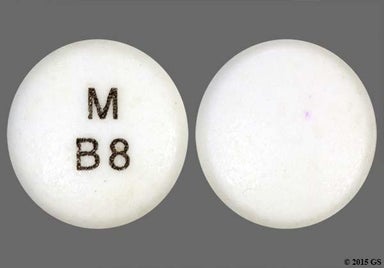
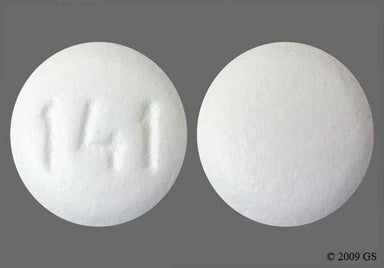
 Tablet
| Dosage | Quantity | Price as low as | Price per unit |
|---|---|---|---|
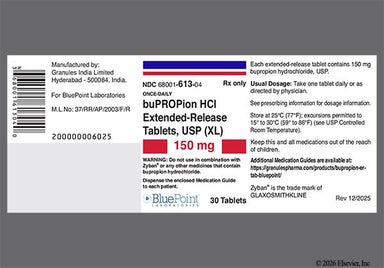
| 150mg | 30 tablets | $7.29 | $0.24 |
| 300mg | 30 tablets | $11.99 | $0.40 |
Depression:
Seasonal affective disorder (SAD):
Your dose might be different if you have kidney or liver problems.

GoodRx has partnered with to provide reviews on the different aspects of Bupropion.
Learn more about the effectiveness of Bupropion based on real life experiences.
Based on 1360 people taking this medication
3.1
2.9
2.8
3.2
2.7
3.8
Severity of side effects
Based on 2095 people taking this medication
0%
50%
100%
Dry mouth
4%
Anxious mood
3%
Insomnia
3%
Weight gain
3%
Headaches
2%
Reasons people stopped taking Bupropion
Based on 2531 people who have taken this medication
Did not seem to work
32%
Side effects too severe
25%
Doctor's advice
19%
Other
13%
Course of treatment ended
5%
Expense
4%
Personal research
4%
Change in health plan coverage
2%
How long people take Bupropion
Based on 3603 people who have taken this medication
0%
50%
100%

Although certain medicines should not be used together at all, in other cases two different medicines may be used together even if an interaction might occur. In these cases, your doctor may want to change the dose, or other precautions may be necessary. When you are taking this medicine, it is especially important that your healthcare professional know if you are taking any of the medicines listed below. The following interactions have been selected on the basis of their potential significance and are not necessarily all-inclusive.
Using this medicine with any of the following medicines is not recommended. Your doctor may decide not to treat you with this medication or change some of the other medicines you take.
Using this medicine with any of the following medicines is usually not recommended, but may be required in some cases. If both medicines are prescribed together, your doctor may change the dose or how often you use one or both of the medicines.
Using this medicine with any of the following medicines may cause an increased risk of certain side effects, but using both drugs may be the best treatment for you. If both medicines are prescribed together, your doctor may change the dose or how often you use one or both of the medicines.


Contraindications are specific health conditions or situations in which a person should not take a medication due to safety concerns. If you have any of the following conditions or if any of the following apply to you, let your healthcare provider know because Bupropion will not be safe for you to take.




















Prescription savings
Stop paying too much for your prescriptions. Compare prices, get pharmacy coupons, and save up to 80%. Find expert answers to your health questions so you can make the best decisions for yourself and your family.
Health conditions
Medications & treatment
Access & affordability
 Our monthly healthcare membership can help you save thousands on your prescription costs.
Resources

Wellbutrin XL (bupropion hydrochloride extended-release) and Aplenzin (bupropion hydrobromide extended-release) are both medications that contain the same active ingredient, bupropion. One of the main differences between them is that they contain different salt forms (hydrochloride vs. hydrobromide), the inactive ingredient of the medication. Another difference is that Aplenzin is brand name only, while Wellbutrin XL is available as a lower-cost generic. Lastly, Aplenzin is available as a high-dose tablet (522 mg of bupropion), whereas Wellbutrin XL isn't. Both these medications treat the same conditions and work the same way. If you've questions about other differences between these medications, talk with your provider.
Forfivo XL contains the same active ingredient, bupropion, as Wellbutrin XL. Forfivo XL provides a once-daily, bupropion 450 mg dose in a single tablet and it's approved to treat depression only (and not SAD). Bupropion is similar to Wellbutrin XL. People should not start bupropion treatment with Forfivo XL because the 450 mg tablet is the only strength of the medication available. Your provider should start your treatment with another form of bupropion medication. Your provider can then switch you to Forfivo XL once you're taking 450 mg of bupropion per day or 300 mg per day for at least 2 weeks and require a higher dose of 450 mg per day.
It's not clear whether Bupropion is safe to take while pregnant. Some data suggest the medication might affect the development of your unborn baby's heart. But other studies didn't find any risk of heart problems with Bupropion. Speak with your provider if you get pregnant or want to get pregnant while taking Bupropion. There's a National Pregnancy Registry for Antidepressants to monitor the safety of certain medications during pregnancy. If you're currently pregnant and taking Bupropion, you're encouraged to enroll in the registry by visiting the website or calling 1-844-405-6185.
Most people won't feel any change for several weeks after starting Bupropion. It's important to take the medication every day as prescribed, even if you don't feel better right away. Talk to your healthcare provider to understand more about the treatment course with Bupropion.
Weight gain is a common side effect of many other antidepressants, but it's not as common with Bupropion. About 2% to 11% of people gained 5 lbs or more while taking Bupropion. In fact, studies show that more people experience weight loss (14-23%) with Bupropion than weight gain (2-11%).
