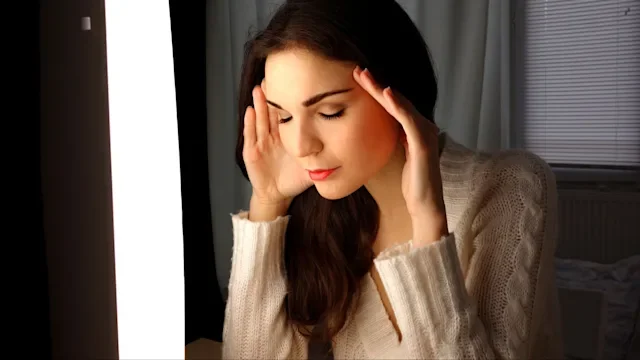
Seasonal affective disorder (SAD) is a type of depression that corresponds to changes in seasons. People with SAD may experience depression symptoms during certain seasons (usually winter), and then feel better when the season changes again.
In this video, learn the symptoms, causes, and treatments for seasonal affective disorder.
References
Campbell, P. D., et al. (2017). Bright light therapy: Seasonal affective disorder and beyond. The Einstein Journal of Biology and Medicine.
MedlinePlus. (2017). Seasonal affective disorder.
Munir, S., et al. (2023). Seasonal depressive disorder. StatPearls.
National Institute of Mental Health. (n.d.). Seasonal affective disorder.

Why trust our experts?

Written by:
Marisa Taylor KarasMarisa Taylor Karas is a freelance journalist based in Brooklyn who has covered health, gender, and technology for 15 years. She previously worked at The Wall Street Journal, The Guardian, and Al Jazeera America, among other publications, and also served as managing editor of the Mellon Foundation in New York City.

Reviewed by:
Mera Goodman, MD, FAAPMera Goodman, MD, FAAP, is a board-certified pediatrician. Prior to practicing medicine, she worked as a management consultant.