Key takeaways:
Seasonal affective disorder (SAD) is a type of depression that typically affects people in the fall and winter.
Light therapy, medication, and mental health therapy are the best treatments for SAD.
Other things can help with SAD, too, like exercise, mindfulness, and eating nutritious foods.
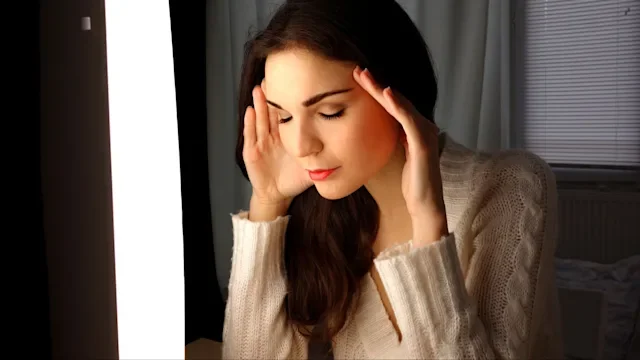
If you feel blue during the fall and winter, you’re not alone. Many people have what’s called seasonal affective disorder (SAD) during the darker times of year. It’s sometimes also called “seasonal depression” or a “seasonal mood disorder.”
Seasonal depression is a type of major depression. The only difference is that SAD happens at certain times of year — usually during the fall and winter.
Symptoms include:
Feeling sad, empty, or hopeless
Sleep changes or fatigue
Loss of interest or pleasure in your normal activities
Poor concentration
Appetite changes
Thankfully, treatment can help. The main treatments for SAD are mental health therapy, antidepressant medications, and light therapy. But other strategies can help, too — like exercising, socializing, and taking good care of your mind and body.
Let’s take a closer look at SAD treatment, so you have hope and a plan for when the “winter blues” strike.
1. Antidepressant medications for SAD
Antidepressant medications are a first-choice treatment for SAD. They can be used on their own, or in combination with mental health therapy and light therapy. These medications can potentially reduce symptoms and improve your mood over time.
The most common medications for seasonal depression are:
Selective serotonin reuptake inhibitors, or SSRIs (like Celexa, Prozac, Lexapro, and more)
Keep in mind that antidepressant medications often take 4 to 8 weeks to reach their full effect. This means that some people with SAD start taking medications before their symptoms usually begin, like in late summer or early fall.
2. Therapy for SAD
Therapy is also a first-choice treatment for SAD. Again, it can be helpful on its own. It can also be combined with medications and light therapy.
There are many types of therapy, but cognitive behavioral therapy (CBT) is often recommended. There’s some evidence that it’s as effective as light therapy for treating SAD. There’s even a special type of CBT that’s designed to treat SAD, called CBT-SAD.
In general, therapy can help you learn new coping strategies, such as how to replace negative thoughts with more positive or neutral ones. Therapy can also help you explore yourself, your relationships, and the world around you. The effects can be long-lasting, and may have benefits that continue to help you in future seasons.
3. Light therapy for SAD
Light therapy is a proven treatment for SAD. It involves sitting in front of a special light box every day that imitates sunlight. This provides enough light to make up for the lack of sunlight in winter, which seems to boost mood and energy for some people. Light therapy may be especially helpful if the winters are dark and grey where you live.
Though you can purchase a therapy light without a prescription, it’s best to talk to a healthcare professional first. Light therapy can sometimes have side effects, such as eye problems, sleep changes, and headaches. It might also be inappropriate for people with certain health conditions, like diabetes or bipolar disorder.
4. Vitamin D
Your body makes vitamin D in response to sunlight. Many people have low levels of vitamin D, especially during the winter. There’s some evidence that vitamin D supplements might help with mood in the wintertime, but there’s no proof yet that it works as a treatment for SAD.
On the other hand, we do know that vitamin D deficiency is linked to depression. Consider talking to a healthcare professional about testing your vitamin D levels. If your levels are low, it’s possible that it could be worthwhile to take a supplement.
You can also boost your vitamin D levels naturally by:
Getting daily exposure to sunlight
Eating vitamin D-fortified foods (like milks, breakfast cereals, and orange juice)
5. Physical exercise
Exercise is a natural mood booster. It can help with depression symptoms, especially when combined with first-line treatments, like medications and therapy.
Aim for at least 10 minutes of exercise a day, and increase as you’re able. Try:
Going for a short walk outside
Doing yoga at home
Riding on a stationary bike
Swimming in a heated pool
Taking a tai chi class
Going dancing with friends
Walking in place while watching a funny movie
Exercising outside can be especially helpful for SAD, especially during daylight hours.
6. Nutritious foods
It’s probably no surprise that eating nutritious foods is linked to better physical and mental health. Though there’s no clear eating pattern that’s proven to help with SAD, we do know that eating nutritious foods can help with depression.
Top choices include:
Oysters
Mussels
Seafood
Organ meats
Leafy greens
Lettuces
Peppers
These foods contain vitamins, minerals, and omega-3 fatty acids that may be helpful in preventing and recovering from depression.
7. Journaling
Research shows that journaling can help manage depression. It’s a safe space to write about what you’re going through without fear of being judged.
Here are a few journaling ideas to get you started:
Spend 20 minutes a day writing about your deepest thoughts and feelings.
Jot down a list of things you’re grateful for each day.
Keep a thought record, and challenge negative thoughts.
Track your moods throughout the day.
Set personal goals, and record the steps you need to take to achieve those goals.
8. Mindfulness
Mindfulness is the practice of being aware of your thoughts and feelings without judgment. Research suggests that practicing mindfulness can prevent and treat depression.
There are a few ways to get going with mindfulness, such as:
Listening to meditation apps
Taking a yoga or tai chi class
Doing breathing exercises
Tuning into your senses throughout the day
9. Social support
When you have SAD, it can be easy to isolate yourself from friends and family. But, in reality, getting support from other people may actually help you feel better.
Consider reaching out to people in your life. Call a loved one or get together with a close friend for lunch. Joining a support group can go a long way, too.
10. Being outside
Spending time in nature can help fight depression. And, when it comes to SAD, spending time outside gives you access to nature's original “light therapy:” sunlight.
There’s also some evidence that spending time outdoors can help you sleep better at night by regulating your circadian rhythm, which may, in turn, help with SAD.
When should you see a healthcare professional for SAD?
If you think you have SAD, talk with a healthcare professional. They can diagnose your symptoms and evaluate the severity of what you’re experiencing. Depending on their findings, they can suggest the best treatments to get you through the season.
Don’t wait to talk to someone if you’re having suicidal thoughts or your depression is getting worse. If you need someone to talk to right away, call the Suicide and Crisis Lifeline at 988, call 911, or go to the emergency room.
Frequently asked questions
Seasonal affective disorder (SAD) typically starts in the fall or winter and lasts until spring. You can also have SAD that starts in the spring or summer, though this is less common.
No, SAD doesn’t typically get worse with age.
It’s hard to say, but so far, there’s no clear evidence that St. John’s wort is a good treatment for SAD — or for depression, in general. In some research studies, it seems to work. In other studies, it doesn’t.
St. John’s wort can also have side effects. It can even be dangerous to take with certain medications. If you’re interested in trying St. John’s wort for depression, check with a healthcare professional first.
Seasonal affective disorder (SAD) typically starts in the fall or winter and lasts until spring. You can also have SAD that starts in the spring or summer, though this is less common.
No, SAD doesn’t typically get worse with age.
It’s hard to say, but so far, there’s no clear evidence that St. John’s wort is a good treatment for SAD — or for depression, in general. In some research studies, it seems to work. In other studies, it doesn’t.
St. John’s wort can also have side effects. It can even be dangerous to take with certain medications. If you’re interested in trying St. John’s wort for depression, check with a healthcare professional first.
The bottom line
Seasonal depression can make it hard to get through the winter. Fortunately, treatment can go a long way toward keeping winter depression at bay. The best treatment options are usually light therapy, medications, and mental health therapy. But other strategies can help too, such as exercising, journaling, eating well, and getting outdoors.

Why trust our experts?




References
EBSCO Knowledge Advantage. (2024). Natural treatments for seasonal affective disorder.
Griffin, J., et al. (2023). What to know about treating seasonal affective disorder. PBS News.
Jimenez, M. P., et al. (2021). Associations between nature exposure and health: A review of the evidence. International Journal of Environmental Research and Public Health.
LaChance, L. R., et al. (2018). Antidepressant foods: An evidence-based nutrient profiling system for depression. World Journal of Psychiatry.
Maruani, J., et al. (2019). Bright light as a personalized precision treatment of mood disorders. Frontiers in Psychiatry.
Mental Health America. (n.d.). How to keep a mental health journal.
National Center for Complementary and Integrative Health. (2018). Seasonal affective disorder and complementary health approaches: What the science says. National Institutes of Health.
National Institute of Mental Health. (2023). Seasonal affective disorder. National Institutes of Health.
Nebraska Medicine. (2025). Can over-the-counter supplements combat seasonal affective disorder?
Novak, S. (2023). Does seasonal affective disorder get worse with age? Discover.
Parmentier, F. B. R., et al. (2019). Mindfulness and symptoms of depression and anxiety in the general population: The mediating roles of worry, rumination, reappraisal, and suppression. Frontiers in Psychiatry.
Pfeiffer, P. N., et al. (2012). Efficacy of peer support interventions for depression: A meta-analysis. General Hospital Psychiatry.
Sohal, M., et al. (2022). Efficacy of journaling in the management of mental illness: A systematic review and meta-analysis. Family Medicine and Community Health.
U.S. Department of Homeland Security. (2023). Managing seasonal affective disorder.
Wood, L. A., et al. (2021). Time spent outdoors and sleep normality: A preliminary investigation. Population Medicine.
Yang, Y., et al. (2020). The role of diet, eating behavior, and nutrition intervention in seasonal affective disorder: A systematic review. Frontiers in Psychology.