









Bactrim DS Dosages: Your GoodRx Guide
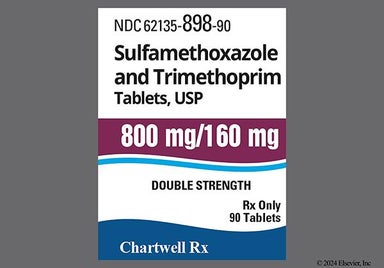
The typical dosage for Bactrim DS is 800mg/160mg (1 tablet) once daily, but the dosage may vary for different infections. Get info on dose adjustments and more.
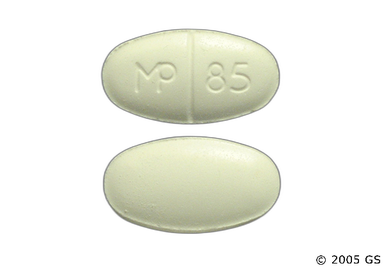
Sulfamethoxazole/trimethoprim (sometimes known as SMZ/TMP) is a combination medication containing an antifolate and sulfa antibiotic. It's used to treat different types of infections, such as urinary tract infections (UTIs), ear infections, and lung infections. This antibiotic has two different brand names, Bactrim and Septra, and it's also available as a lower-cost generic. It's a tablet that's taken by mouth, typically twice daily for most types of infections. This antibiotic also comes as a suspension under the brand name Sulfatrim for people who can't swallow tablets and as an injection for people in the hospital. Common side effects include nausea, diarrhea, and rash.

Sulfamethoxazole/trimethoprim is a combination of two antibiotics, sulfamethoxazole (a sulfonamide) and trimethoprim (antifolate). They work together to stop bacteria from being able to make folic acid, a nutrient that's important for bacterial growth and survival. By stopping bacteria from making folic acid, sulfamethoxazole/trimethoprim kills the bacteria.
| Common Brands | Bactrim, Bactrim DS, Septra, Septra DS |
|---|---|
| Drug Class | Sulfonamide antibiotic |
| Controlled Substance Classification | Not a controlled medication |
| Generic Status | Lower-cost generic available |
| Availability | Prescription only |

The following side effects may get better over time as your body gets used to the medication. Let your healthcare provider know immediately if you continue to experience these symptoms or if they worsen over time.
Contact your healthcare provider immediately if you experience any of the following.
Along with its needed effects, a medicine may cause some unwanted effects. Although not all of these side effects may occur, if they do occur they may need medical attention.
Check with your doctor immediately if any of the following side effects occur:
More common
Black, tarry stools
blistering, peeling, or loosening of the skin
changes in skin color
chest pain or tightness
chills
cough or hoarseness
dark urine
dizziness
general feeling of tiredness or weakness
headache
itching, skin rash
joint or muscle pain
light-colored stools
loss of appetite
lower back or side pain
pain, tenderness, or swelling of the foot or leg
painful or difficult urination
pale skin
red skin lesions, often with a purple center
red, irritated eyes
sores, ulcers, or white spots in the mouth or on the lips
stomach pain
swollen or painful glands
trouble breathing
unpleasant breath odor
unusual bleeding or bruising
vomiting of blood
yellow eyes or skin
Incidence not known
Back, leg, or stomach pains
bleeding gums
blindness or vision changes
blood in the urine or stools
bluish-colored lips, fingernails, or palms
burning, crawling, itching, numbness, painful, prickling, "pins and needles", or tingling feelings
burning of the face or mouth
cloudy urine
confusion
continuing ringing or buzzing or other unexplained noise in the ears
cracks in the skin
decreased frequency or amount of urine
difficulty with swallowing
fainting spells
general body swelling
general feeling of discomfort or illness
hearing loss
increased thirst
indigestion
irregular heartbeat
large, flat, blue, or purplish patches in the skin
large, hive-like swelling on the face, eyelids, lips, tongue, throat, hands, legs, feet, or sex organs
loss of heat from the body
muscle or joint pain
nosebleeds
not able to pass urine
numbness or tingling in the hands, feet, or lips
pain or burning while urinating
pinpoint red spots on the skin
puffiness or swelling of the eyelids or around the eyes, face, lips, or tongue
raised red swellings on the skin, the buttocks, legs, or ankles
redness of the white part of the eyes
redness, swelling, or soreness of the tongue
seizures
soreness of the muscles
stiff neck or back
stomach tenderness
swelling of the face, hands, legs, and feet
unsteadiness, trembling, or other problems with muscle control or coordination
weakness in the hands or feet
weakness or heaviness of the legs
weight gain or loss
Some side effects may occur that usually do not need medical attention. These side effects may go away during treatment as your body adjusts to the medicine. Also, your health care professional may be able to tell you about ways to prevent or reduce some of these side effects. Check with your health care professional if any of the following side effects continue or are bothersome or if you have any questions about them:
More common
Passing of gas
Incidence not known
Discouragement
feeling of constant movement of self or surroundings
feeling sad or empty
increased sensitivity of the skin to sunlight
lack of feeling or emotion
loss of interest or pleasure
nervousness
redness or other discoloration of the skin
seeing, hearing, or feeling things that are not there
sensation of spinning
severe sunburn
trouble concentrating
trouble sleeping
uncaring
Other side effects not listed may also occur in some patients. If you notice any other effects, check with your healthcare professional.
Call your doctor for medical advice about side effects. You may report side effects to the FDA at 1-800-FDA-1088.




Sulfamethoxazole/trimethoprim can cause some serious health issues. This risk may be even higher for certain groups. If this worries you, talk to your doctor or pharmacist about other options.
Sulfamethoxazole/trimethoprim isn't recommended during pregnancy because there's a risk that the antibiotic can cause severe developmental harm to an unborn baby. Let your prescriber know if you're pregnant or thinking of becoming pregnant before starting this antibiotic. Also contact your prescriber right away if you find out that you're pregnant while you're taking sulfamethoxazole/trimethoprim. Your prescriber can discuss treatment options that are safer for you.
Severe allergic reactions to sulfamethoxazole/trimethoprim are possible, including life-threatening reactions, like facial swelling and anaphylaxis. Although rare, this antibiotic can also cause serious skin reactions, such as Stevens-Johnson syndrome (SJS) and drug reaction with eosinophilia and systemic symptoms (DRESS syndrome).
Let your prescriber know if you have an allergy to antibiotics or medications, especially any sulfa drugs, to make sure this antibiotic is safe for you. Stop taking sulfamethoxazole/trimethoprim and get medical attention right away if you notice any hives, rash, blisters, skin reddening, skin peeling, swelling of the lips or tongue, or trouble breathing.
Sulfamethoxazole/trimethoprim can lower your platelet count (thrombocytopenia). Having a low platelet count can put you at risk for serious bleeding. Your risk is higher if you're taking this antibiotic with other medications that also raise your bleeding risk, such as aspirin or warfarin (Coumadin). Typically, platelet counts go back to usual within a week after stopping the antibiotic.
Seek medical help right away if you have any unusual bleeding; bleeding that lasts for a long time; trouble stopping bleeds; easy bruising; or blood in your vomit, urine, or stool. Speak to a healthcare professional (HCP) if you have concerns.
Sulfamethoxazole/trimethoprim can raise your risk of getting infected with a bacteria called Clostridioides difficile (C. diff). Antibiotics change the amount of normal bacteria in your stomach and intestines. This can cause C. diff to overgrow in your gut and lead to an infection. C. diff infection can cause severe diarrhea.
It's important to recognize the difference between diarrhea as a side effect of sulfamethoxazole/trimethoprim and C. diff-related diarrhea. This type of infectious diarrhea can cause rapid heart rate, fever, nausea, foul-smelling diarrhea, and frequent bowel movements (even up to 15 times per day). It's a medical emergency, so get help right away if you have any symptoms of a C. diff infection. You'll need to get tested for C. diff infection and get treatment.
Sulfamethoxazole/trimethoprim, especially at high dosages, can raise your potassium levels and lower your sodium levels. Contact an HCP right away if you experience weakness, tingling or numbness, headache, confusion, trouble concentrating, or memory problems.
Taking sulfamethoxazole/trimethoprim can lead to some blood-cell related problems in certain people. For example, people who have certain genetic conditions are at risk of having their red blood cells damaged and broken down when they take this antibiotic.
Taking sulfamethoxazole/trimethoprim can also sometimes make it more difficult for your body to absorb an important vitamin called folic acid. This can sometimes lead to low folic acid levels, which can affect how well your body can make blood cells. Low folic acid levels might be more likely if you're an older adult, if you regularly drink large amounts of alcohol, or if you have kidney or liver problems.
People with a rare genetic condition called phenylketonuria should be sure to follow a low-protein diet while they're taking sulfamethoxazole/trimethoprim. This genetic condition happens when the body has trouble processing a nutrient called phenylalanine. And sulfamethoxazole/trimethoprim can make it even harder for the body to break down this nutrient. Following a proper diet seems to help prevent you from having any noticeable PKU problems.

Urinary tract infections (UTI) or shigellosis
Ear infections
Infections related to bronchitis
Pneumocystis pneumonia
Travelers' diarrhea
Your dose might differ if you have kidney problems.
Sulfamethoxazole/trimethoprim is also available as an injection that's infused through the veins by a healthcare professional (HCP) in a hospital setting.

GoodRx has partnered with to provide reviews on the different aspects of Sulfamethoxazole/trimethoprim.
Learn more about the effectiveness of Sulfamethoxazole/trimethoprim based on real life experiences.
Based on 50 people taking this medication
3.6
3.1
4.3
3.0
2.9
4.6
Severity of side effects
Based on 164 people taking this medication
0%
50%
100%
Nausea
4%
Diarrhea
3%
Fever
2%
Stomach pain
2%
Alternating constipation and diarrhea
2%
Reasons people stopped taking Sulfamethoxazole/trimethoprim
Based on 256 people who have taken this medication
Course of treatment ended
58%
Doctor's advice
23%
Side effects too severe
11%
Did not seem to work
5%
Other
5%
Personal research
1%
How long people take Sulfamethoxazole/trimethoprim
Based on 275 people who have taken this medication
0%
50%
100%

Although certain medicines should not be used together at all, in other cases two different medicines may be used together even if an interaction might occur. In these cases, your doctor may want to change the dose, or other precautions may be necessary. When you are taking this medicine, it is especially important that your healthcare professional know if you are taking any of the medicines listed below. The following interactions have been selected on the basis of their potential significance and are not necessarily all-inclusive.
Using this medicine with any of the following medicines is not recommended. Your doctor may decide not to treat you with this medication or change some of the other medicines you take.
Using this medicine with any of the following medicines is usually not recommended, but may be required in some cases. If both medicines are prescribed together, your doctor may change the dose or how often you use one or both of the medicines.
Using this medicine with any of the following medicines may cause an increased risk of certain side effects, but using both drugs may be the best treatment for you. If both medicines are prescribed together, your doctor may change the dose or how often you use one or both of the medicines.


Contraindications are specific health conditions or situations in which a person should not take a medication due to safety concerns. If you have any of the following conditions or if any of the following apply to you, let your healthcare provider know because Sulfamethoxazole/trimethoprim will not be safe for you to take.












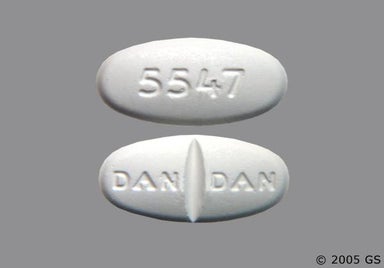
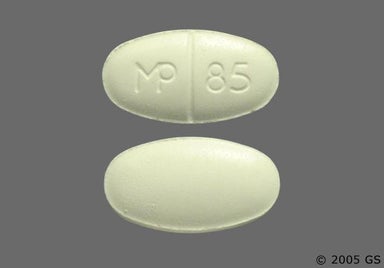
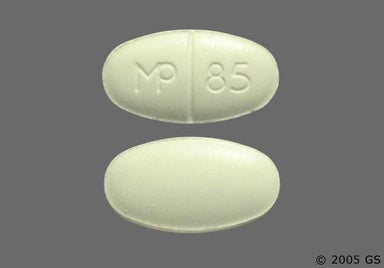
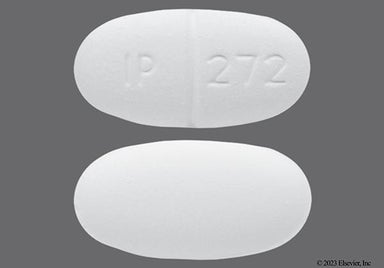


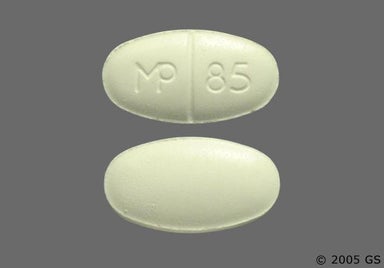
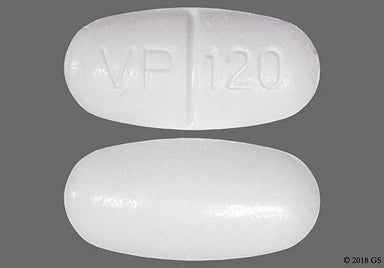
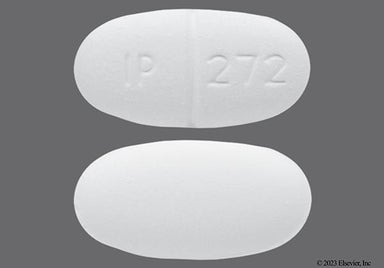

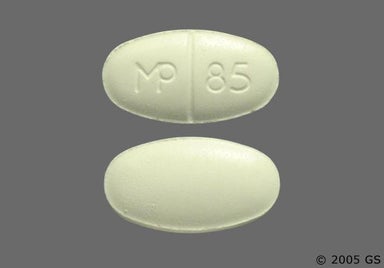


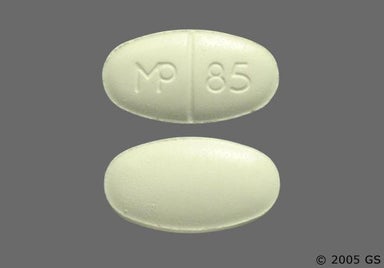
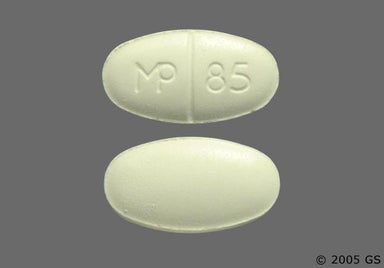
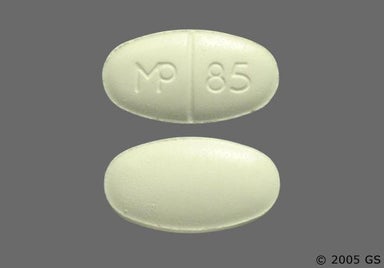
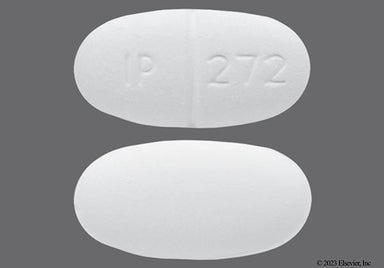




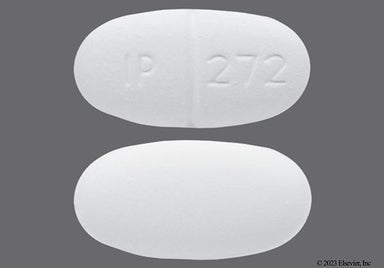

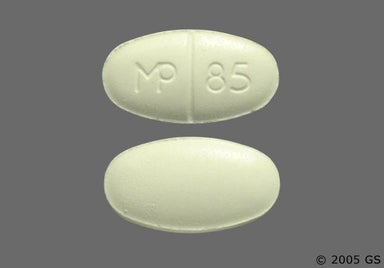
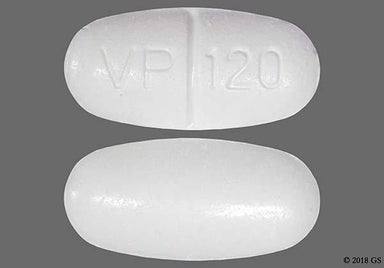
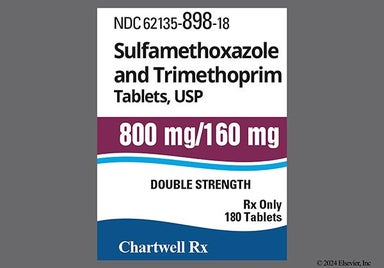


Prescription savings
Stop paying too much for your prescriptions. Compare prices, get pharmacy coupons, and save up to 80%. Find expert answers to your health questions so you can make the best decisions for yourself and your family.
Health conditions
Medications & treatment
Access & affordability
Medication discounts


It's not completely clear how long side effects from Sulfamethoxazole/Trimethoprim will last. It generally depends on the specific side effect, but most tend to go away once you stop taking the medication. In the meantime, there are some things you can do to help prevent or ease certain side effects. For example, taking the antibiotic with food might help with nausea, but be sure to avoid greasy and spicy foods. You can also try eating smaller meals throughout the day. Drink plenty of fluids if you have diarrhea as a side effect to prevent dehydration. This antibiotic can also make your skin more sensitive to light, so it's best to wear sunscreen to prevent sunburns. Ask a healthcare professional if you're having bothersome side effects from Sulfamethoxazole/Trimethoprim and you need tips on how to manage them.
It depends on how severe your urinary tract infection (UTI) is. Sulfamethoxazole/Trimethoprim is typically prescribed for 3 days for a mild UTI. But a more severe UTI, such as a UTI with a fever, requires antibiotic treatment for up to 2 weeks. Your prescriber will decide how long you should take Sulfamethoxazole/Trimethoprim for. It's important to take the entire treatment course that you're prescribed to make sure your infection goes away completely.
Tiredness isn't a common side effect of Sulfamethoxazole/Trimethoprim, but it's possible. Also keep in mind that it's normal for your body to feel a little tired while it's fighting off an infection. But it's recommended to contact a healthcare professional right away if you notice severe fatigue after you start taking Sulfamethoxazole/Trimethoprim. This can be symptom of electrolyte changes from antibiotic treatment, and it should be treated right away.
In general, Sulfamethoxazole/Trimethoprim starts to work quickly, but it also depends on what infection you have and how serious it is. For example, you should start to feel better as soon as 2 to 3 days after starting the antibiotic for a urinary tract infection (UTI). But it can take a few weeks to feel better if you have a more serious infection, like pneumonia. Even if you start feel better, it's important to take Sulfamethoxazole/Trimethoprim exactly as prescribed and finish your treatment course. Stopping the antibiotic earlier than prescribed can make your infection come back and be harder to treat.
Yes, sulfamethoxazole is a sulfa drug. This means that Sulfamethoxazole/Trimethoprim might not be a safe choice for you if you have a sulfa allergy. Your prescriber will decide to use this antibiotic to treat your infection based on what your reaction to sulfa was like. You still might get prescribed Sulfamethoxazole/Trimethoprim if you had a mild rash or itchy skin when you took a medication with a sulfa ingredient; make sure to watch closely for allergic reactions when you take Sulfamethoxazole/Trimethoprim. But your prescriber might choose to use a different antibiotic to be safe if you had a severe reaction like facial swelling, closing of the throat, or anaphylaxis.
No, Sulfamethoxazole/Trimethoprim isn't a penicillin. It belongs to a different class of antibiotics. This means that you can safely take Sulfamethoxazole/Trimethoprim if you have a penicillin allergy.
The only medication that you shouldn't take with Sulfamethoxazole/Trimethoprim is dofetilide (Tikosyn). This is because the antibiotic can raise the levels of dofetilide (Tikosyn) in the body, which can raise the risk for dangerous side effects like abnormal heart rhythms. Keep in mind that there are other medications that interact with Sulfamethoxazole/Trimethoprim. But you can typically still take them with the antibiotic, as long as the dosage of your medications is adjusted or as long as your healthcare team is following up with you more often. Make sure to tell your prescriber and pharmacist about all of the medications you're taking. They can check for drug interactions with Sulfamethoxazole/Trimethoprim.
It's best to avoid alcohol while you're taking Sulfamethoxazole/Trimethoprim. Wait at least 2 days after you finish your treatment before you reach for an alcoholic beverage to enjoy. Alcohol can worsen side effects from the antibiotic, like diarrhea, nausea, and vomiting. Though unclear, it's also possible that drinking alcohol with this antibiotic can lead to a disulfiram-like reaction, which could cause severe nausea and vomiting, shortness or breath, headache, and irregular heartbeat. Finally, alcohol can make it harder for you to recover from an infection. Speak with a healthcare professional about your drinking habits and ways to avoid alcohol while you're taking Sulfamethoxazole/Trimethoprim.
