



Exploring 9 Alternatives to Omeprazole, From H2 Blockers to Natural Products
Omeprazole (Prilosec) is a common treatment for gastroesophageal reflux disease (GERD). Learn about omeprazole alternatives like Carafate, Nexium, and Tums.
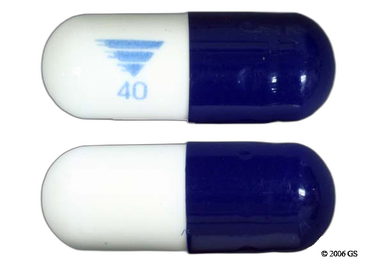
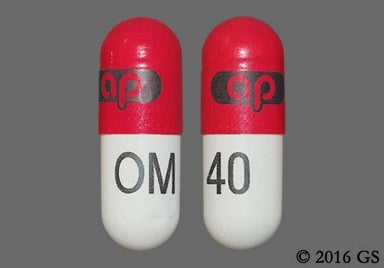
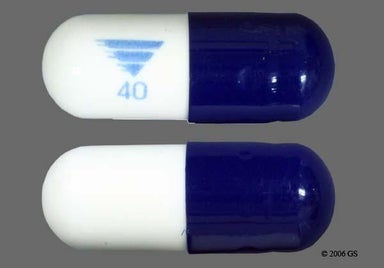
Zegerid (omeprazole / sodium bicarbonate) is a combination medication used to treat conditions related to having too much stomach acid. This medication is typically taken by mouth once daily. But don't take it longer than what your provider recommends. Doing so raises your risk for side effects, such as bone fractures or low magnesium levels. Zegerid (omeprazole / sodium bicarbonate) is available as a powder that can be made into a liquid suspension for people who have trouble swallowing pills.

Prescription-strength Zegerid (omeprazole / sodium bicarbonate) capsules and suspension:
OTC Zegerid (omeprazole / sodium bicarbonate) capsules:
Konvomep (omeprazole / sodium bicarbonate) suspension:
Zegerid (omeprazole / sodium bicarbonate) is a combination of two medications:
Omeprazole is a proton pump inhibitor (PPI). It works by lowering the amount of acid made by your stomach.
Sodium bicarbonate is an antacid. This class of medication typically helps neutralize (or balance out) the acid in your stomach, which eases heartburn. But the purpose of sodium bicarbonate in Zegerid (omeprazole / sodium bicarbonate) is to protect omeprazole from being broken down by stomach acid, not to treat symptoms of heartburn.
| Common Brands | Zegerid, Konvomep |
|---|---|
| Drug Class | PPI / Antacid |
| Controlled Substance Classification | Not a controlled medication |
| Generic Status | Lower-cost generic available |
| Availability | Prescription or over-the-counter |

The following side effects may get better over time as your body gets used to the medication. Let your healthcare provider know immediately if you continue to experience these symptoms or if they worsen over time.
Please note: These side effects were reported in clinical trials by people who took omeprazole only. The side effects you experience from Zegerid (omeprazole / sodium bicarbonate) might differ.
Contact your healthcare provider immediately if you experience any of the following.
Along with its needed effects, a medicine may cause some unwanted effects. Although not all of these side effects may occur, if they do occur they may need medical attention.
Check with your doctor immediately if any of the following side effects occur:
More common
Black, tarry stools
bleeding gums
blood in the urine or stools
blurred vision
chest pain or tightness
confusion
decreased urine
dizziness
dizziness, faintness, or lightheadedness when getting up suddenly from a lying or sitting position
drowsiness
fainting
fast or irregular heartbeat
fever or chills
headache
increased thirst
lightheadedness
loss of appetite
muscle pain or cramps
muscle spasms (tetany) or twitching
nausea or vomiting
nervousness
numbness or tingling in the hands, feet, or lips
pale skin
pinpoint red spots on the skin
pounding in the ears
rapid, shallow breathing
seizures
slow heartbeat
sweating
trembling
trouble breathing
unusual bleeding or bruising
unusual tiredness or weakness
Less common
Bladder pain
blue lips, fingernails, or skin
bone pain
chest discomfort
cloudy urine
coma
decreased urine output
difficult, burning, or painful urination
fast, pounding, or irregular heartbeat or pulse
frequent urge to urinate
headache
irregular, fast or slow, or shallow breathing
irritability
lower back or side pain
muscle cramps in the hands, arms, feet, legs, or face
restlessness
stomach cramps or pain
swelling of the face, feet, lower legs, ankles, or hands
weakness or heaviness of the legs
Incidence not known
Arm, back, or jaw pain
blistering, peeling, or loosening of the skin
bloating or swelling of the face, arms, hands, lower legs, or feet
chest tightness or heaviness
cough or hoarseness
dark-colored urine
difficulty with swallowing
fever with or without chills
general body swelling
general feeling of tiredness or weakness
greatly decreased frequency of urination or amount of urine
high fever
hives or skin rash
indigestion
joint or muscle pain
large, hive-like swelling on the face, eyelids, lips, tongue, throat, hands, legs, feet, or sex organs
light-colored stools
noisy breathing
nosebleeds
pain with swallowing
pains in the stomach, side, or abdomen, possibly radiating to the back
puffiness or swelling of the eyelids or around the eyes, face, lips, or tongue
rapid weight gain
red skin lesions, often with a purple center
red, irritated eyes
sores, ulcers, or white spots on the lips or in the mouth
stomach pain, continuing
sweating
swollen glands
unexplained bleeding or bruising
unusual weight gain or loss
yellow eyes or skin
Get emergency help immediately if any of the following symptoms of overdose occur:
Symptoms of overdose
Feeling of warmth
increased sweating
redness of the face, neck, arms, and occasionally, upper chest
Some side effects may occur that usually do not need medical attention. These side effects may go away during treatment as your body adjusts to the medicine. Also, your health care professional may be able to tell you about ways to prevent or reduce some of these side effects. Check with your health care professional if any of the following side effects continue or are bothersome or if you have any questions about them:
Less common
Agitation
cold sweats
cool, pale skin
excess air or gas in the stomach or intestines
flushed, dry skin
fruit-like breath odor
full feeling
increased hunger
increased thirst
increased urination
lack or loss of strength
nightmares
passing gas
shakiness
slurred speech
white patches in the mouth or throat or on the tongue
white patches with diaper rash
Incidence not known
Abnormal dreams
attack, assault, or force
bad, unusual, or unpleasant (after) taste
blindness
blue-yellow color blindness
change in taste
continuing ringing or buzzing or other unexplained noise in the ears
decreased vision
double vision
dry eyes or skin
feeling of constant movement of self or surroundings
general feeling of discomfort or illness
hair loss or thinning of the hair
hearing loss
hives or welts
increased sensitivity of the skin to sunlight
itching, redness, tearing, or other sign of eye irritation not present before use of this medicine or becoming worse during use
lack of feeling or emotion
pain in the testes
pinpoint red or purple spots on the skin
redness or other discoloration of the skin
seeing, hearing, or feeling things that are not there
sensation of spinning
severe sunburn
sleepiness or unusual drowsiness
sugar in the urine
swelling of the breasts or breast soreness in both females and males
swelling or inflammation of the mouth
trouble sleeping
uncaring
Other side effects not listed may also occur in some patients. If you notice any other effects, check with your healthcare professional.
Call your doctor for medical advice about side effects. You may report side effects to the FDA at 1-800-FDA-1088.




Zegerid (omeprazole / sodium bicarbonate) can cause some serious health issues. This risk may be even higher for certain groups. If this worries you, talk to your doctor or pharmacist about other options.
If Zegerid (omeprazole / sodium bicarbonate) eases some of your stomach-related symptoms, but the symptoms come back, let your provider know. Sometimes, returning heartburn or feelings of upset stomach can be a sign of a more serious problem, such as stomach cancer. Your provider might need to order more tests to check your health.
There have been reports of kidney damage by people who took PPIs, like omeprazole. This can occur at any time during treatment. If you notice symptoms of kidney damage, such as blood in the urine, changes in how often you urinate, nausea, fever, or confusion, stop taking Zegerid (omeprazole / sodium bicarbonate) and speak to your healthcare provider right away.
Zegerid (omeprazole / sodium bicarbonate) can cause severe medication reactions involving the skin known as Stevens-Johnson syndrome (SJS) and toxic epidermal necrolysis (TEN). This side effect is rare, but it can be very serious. If you have flu-like symptoms along with a skin rash, blisters, or peeling, get medical help right away.
Zegerid (omeprazole / sodium bicarbonate) contains sodium. Taking in high levels of sodium can lead to swelling and weight gain. This can cause problems for you if you need to be on a low-sodium diet or if you have certain medical conditions, such as heart failure or high blood pressure. Talk with your provider before taking this medication if you're trying to limit your sodium intake.
Milk-alkali syndrome is a condition where the body's acid/base balance shifts to more alkaline. This can lead to problems with your kidneys. Your risk for this side effect is higher if you take Zegerid (omeprazole / sodium bicarbonate) for long periods of time or if you take this medication with calcium supplements or milk. Talk to your provider if you feel nausea, needing to urinate a lot, headache, or dizziness while taking Zegerid (omeprazole / sodium bicarbonate).
Zegerid (omeprazole / sodium bicarbonate) can raise your risk for a bacterial infection that causes severe diarrhea. If you notice symptoms like watery diarrhea, fever, or stomach pain that doesn't go away, talk to your healthcare provider right away. To lower your risk, use Zegerid (omeprazole / sodium bicarbonate) at the lowest dose and for the shortest amount of time possible.
Zegerid (omeprazole / sodium bicarbonate) can raise your risk of getting bone fractures, especially if you're on a high dose or long-term treatment. Your provider might ask you to take vitamin D and calcium supplements while taking this medication. Talk with your provider about more ways to keep your bones healthy.
Though rare, it's possible for PPIs (including omeprazole) to cause or worsen lupus. This can happen within weeks to years of continuing this medication. To lower your risk for lupus, take the lowest dose of Zegerid (omeprazole / sodium bicarbonate) for the shortest amount of time to ease your stomach symptoms. Symptoms of lupus can be different for everyone (such as joint pain or rash), so speak to your healthcare provider about what symptoms to watch out for. Symptoms of lupus should improve within 1 to 3 months after stopping Zegerid (omeprazole / sodium bicarbonate).
Zegerid (omeprazole / sodium bicarbonate) can interact with many medications, vitamins, and herbal supplements. For example, it can make warfarin (Coumadin) work less well and might raise your risk for bleeds. Zegerid (omeprazole / sodium bicarbonate) can raise the levels of methotrexate (Trexall) in your body and put you at risk for toxicity. It can make certain human immunodeficiency virus (HIV) medications work less well, which put you at higher risk for infections that are more difficult to treat. Let your healthcare provider and pharmacist know all the medications you're taking before you start Zegerid (omeprazole / sodium bicarbonate) so they can help you look for possible interactions.
Rarely, Zegerid (omeprazole / sodium bicarbonate) can cause low levels of blood magnesium or vitamin B12. This is more likely to occur with long-term use of Zegerid (omeprazole / sodium bicarbonate) - longer than 1 year for low magnesium levels and longer than 3 years for low vitamin B12 levels.
Symptoms can include:
If you notice any of these symptoms, let your provider know.Your healthcare provider can do a blood test to see if you need to take a vitamin B12 or magnesium supplement while taking Zegerid (omeprazole / sodium bicarbonate).
Rarely, Zegerid (omeprazole / sodium bicarbonate) can raise your risk for developing small growths or bumps in the stomach. These growths typically don't cause any symptoms, but you should keep your treatment time with Zegerid (omeprazole / sodium bicarbonate) as short as possible to avoid side effects.


Although certain medicines should not be used together at all, in other cases two different medicines may be used together even if an interaction might occur. In these cases, your doctor may want to change the dose, or other precautions may be necessary. When you are taking this medicine, it is especially important that your healthcare professional know if you are taking any of the medicines listed below. The following interactions have been selected on the basis of their potential significance and are not necessarily all-inclusive.
Using this medicine with any of the following medicines is not recommended. Your doctor may decide not to treat you with this medication or change some of the other medicines you take.
Using this medicine with any of the following medicines is usually not recommended, but may be required in some cases. If both medicines are prescribed together, your doctor may change the dose or how often you use one or both of the medicines.
Using this medicine with any of the following medicines may cause an increased risk of certain side effects, but using both drugs may be the best treatment for you. If both medicines are prescribed together, your doctor may change the dose or how often you use one or both of the medicines.


Contraindications are specific health conditions or situations in which a person should not take a medication due to safety concerns. If you have any of the following conditions or if any of the following apply to you, let your healthcare provider know because Zegerid (omeprazole / sodium bicarbonate) will not be safe for you to take.




Prescription savings
Stop paying too much for your prescriptions. Compare prices, get pharmacy coupons, and save up to 80%. Find expert answers to your health questions so you can make the best decisions for yourself and your family.
Health conditions
Medications & treatment
Access & affordability
 Our monthly healthcare membership can help you save thousands on your prescription costs.
Resources

If you're taking Zegerid by mouth, take it on an empty stomach, at least 1 hour before a meal. If you're taking Zegerid suspension through a feeding tube, stop feeding for around 3 hours before and 1 hour after taking Zegerid. Typically, this medication is only taken once daily. Try to take it before the same meal each day so you don't forget to take it.
If you're taking OTC Zegerid, you should only take it for 2 weeks at a time. If you still don't have relief after 2 weeks, talk to your provider. They might instruct you to take it for a longer period of time, or start you on a different treatment. If you're taking prescription Zegerid, your provider will typically prescribe it for 1 to 2 months, depending on your condition. And you might need to take it longer if you're using this medication to maintain healing from erosive esophagitis. Talk with your provider if you're not sure how long you should continue Zegerid.
Yes, Zegerid contains sodium. The capsules contain 1100 mg of sodium bicarbonate which is equal to 304 mg of sodium. The powder for suspension contains 1680 mg of sodium bicarbonate which equals 460 mg of sodium. If you're following a low-sodium diet, ask your healthcare provider if it's safe for you to take this medication.
Prilosec is the brand name for omeprazole, whereas Zegerid is the brand name for the combination medication that contains omeprazole and sodium bicarbonate. Both Prilosec and Zegerid are approved to treat very similar conditions related to stomach acid, but there are a few treatment areas where they don't overlap. Both medications come in capsule and suspension forms, but Prilosec is also available as a tablet. Prilosec is a delayed-release formulation, meaning it's slowly released in your body. But the omeprazole in Zegerid is an immediate-release formulation. But please note that Zegerid hasn't been shown to work faster than Prilosec. Ask your provider or pharmacist for more details about the differences between these two medications.
The main difference between the prescription-only and OTC versions of Zegerid is what health conditions they can treat. OTC Zegerid can help with frequent heartburn and should only be taken for at most 2 weeks at a time, unless your provider tells you otherwise. Prescription Zegerid is approved to treat other conditions related stomach acid and should only be taken under the directions of your provider. Other differences between the prescription-only and OTC versions of Zegerid include available dosage forms (oral suspension is prescription-only) and dosage strengths (Zegerid with 40 mg of omeprazole is prescription-only). Talk with your provider if you've questions about the differences between OTC and prescription-strength Zegerid.
