



Types of Asthma Inhalers and How to Choose the Best One for You
If you have asthma, you probably use an inhaler — and you may need more than one. Learn the different types of asthma inhalers and which one you need.
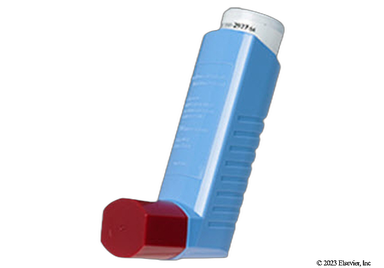
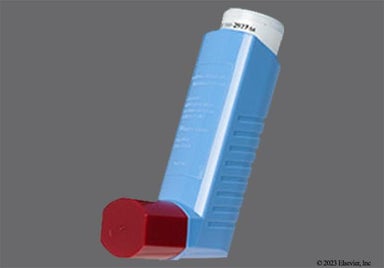
Levalbuterol (brand name Xopenex HFA) is a prescription rescue inhaler used to treat or prevent sudden wheezing or shortness of breath from breathing problems like asthma. It's approved for adults and children 4 years and older. You use it by inhaling 1 to 2 puffs by mouth every 4 to 6 hours as needed. Common side effects include sore throat, dizziness, and a stuffy or runny nose.

Levalbuterol (Xopenex HFA) is a short-acting beta-agonist (SABA). It's a rescue inhaler that works quickly to relax the muscles around your airways. This helps open your lungs and makes it easier for you to breathe.
| Common Brands | Xopenex HFA |
|---|---|
| Drug Class | SABA |
| Controlled Substance Classification | Not a controlled medication |
| Generic Status | Lower-cost generic available |
| Availability | Prescription only |

The following side effects may get better over time as your body gets used to the medication. Let your healthcare provider know immediately if you continue to experience these symptoms or if they worsen over time.
People 12 years and older:
Children 4 to 11 years old:
Contact your healthcare provider immediately if you experience any of the following.
Along with its needed effects, a medicine may cause some unwanted effects. Although not all of these side effects may occur, if they do occur they may need medical attention.
Check with your doctor immediately if any of the following side effects occur:
More common
Fast heartbeat
Incidence not known
Confusion
difficult or labored breathing
difficulty swallowing
drowsiness
extra heartbeat
fainting
fast, pounding, slow, or irregular heartbeat or pulse
hives, welts, itching, or rash
large, hive-like swelling on the face, eyelids, lips, tongue, throat, hands, legs, feet, or genitals
noisy breathing
rapid, deep breathing
redness of the skin
restlessness
stomach cramps
unusual tiredness or weakness
vomiting
Get emergency help immediately if any of the following symptoms of overdose occur:
Symptoms of overdose
dizziness
general feeling of discomfort or illness
headache
impaired consciousness
irregular or fast heartbeat
lightheadedness
nervousness
seizures
sweating
Some side effects may occur that usually do not need medical attention. These side effects may go away during treatment as your body adjusts to the medicine. Also, your health care professional may be able to tell you about ways to prevent or reduce some of these side effects. Check with your health care professional if any of the following side effects continue or are bothersome or if you have any questions about them:
More common
Accidental injury (in children 4 to 11 years of age)
body aches or pain
chills
congestion
dryness or soreness of the throat
general aches and pains
headache
hoarseness
increased cough
leg cramps
loss of appetite
migraines or other headaches
muscle tightness
nervousness
runny or stuffy nose
Less common
Abnormal growth filled with fluid or semisolid material
blemishes on the skin
blood in the urine
bloody nose
burning, dry, or itching eyes
burning or stinging of the skin
cough producing mucus
cramps
difficulty having a bowel movement
discharge from the eye
dry mouth or throat
ear pain
excessive tearing
eye itch
night sweats
numbness or decreased sensitivity of the hand
painful cold sores or blisters on the lips, nose, eyes, or genitals
redness, pain, or swelling of the eye, eyelid, or inner lining of the eyelid
stomach pain
tingling sensation in the arms or legs
vaginal yeast infection
Other side effects not listed may also occur in some patients. If you notice any other effects, check with your healthcare professional.
Call your doctor for medical advice about side effects. You may report side effects to the FDA at 1-800-FDA-1088.



How to use levalbuterol (Xopenex HFA):

Levalbuterol (Xopenex HFA) can cause some serious health issues. This risk may be even higher for certain groups. If this worries you, talk to your doctor or pharmacist about other options.
Levalbuterol (Xopenex HFA) can sometimes cause a sudden tightening of the airways called paradoxical bronchospasm, meaning your breathing might get worse instead of better. This can be life-threatening and often happens the first time you use a new inhaler canister. If you notice more wheezing, coughing, or shortness of breath after using it, stop the medication right away and contact your prescriber.
If you're still having symptoms after using levalbuterol (Xopenex HFA), or if you need to use it more often than usual, your asthma could be getting worse. Talk to your prescriber as soon as possible so they can check your condition and adjust your treatment if needed.
Levalbuterol (Xopenex HFA) can affect your heart. It might cause a faster heartbeat, higher blood pressure, or changes in heart rhythm. Tell your prescriber if you notice these symptoms since they might tell you to stop using it.
Don't use levalbuterol (Xopenex HFA) more often than recommended since this can raise your risk of heart problems. Talk to your prescriber before starting this medication if you have heart disease or high blood pressure.
In rare cases, levalbuterol (Xopenex HFA) can cause a serious allergic reaction. Don't use this medication if you're allergic to albuterol since this could increase your risk of a reaction. Get medical help right away if you have a rash, itching, swelling of your face or tongue, trouble breathing, or chest pain.
Speak to your prescriber before using levalbuterol (Xopenex HFA) if you have health conditions like seizures, high thyroid hormone, or diabetes. This inhaler can sometimes make these conditions worse or lead to serious side effects. Be sure to share your full medical history with your prescriber before starting this medication.
Levalbuterol (Xopenex HFA) can sometimes cause low potassium levels, though this is usually temporary and doesn’t need treatment. But in some cases, low potassium can affect your heart. Let your care team know if you have muscle pain or weakness, muscle cramps, or an irregular heartbeat — these could be signs of low potassium.

 Inhaler
| Dosage | Quantity | Price as low as | Price per unit |
|---|---|---|---|
| 15g of 45mcg | 1 inhaler | $54.30 | $54.30 |

Although certain medicines should not be used together at all, in other cases two different medicines may be used together even if an interaction might occur. In these cases, your doctor may want to change the dose, or other precautions may be necessary. When you are taking this medicine, it is especially important that your healthcare professional know if you are taking any of the medicines listed below. The following interactions have been selected on the basis of their potential significance and are not necessarily all-inclusive.
Using this medicine with any of the following medicines is usually not recommended, but may be required in some cases. If both medicines are prescribed together, your doctor may change the dose or how often you use one or both of the medicines.


Contraindications are specific health conditions or situations in which a person should not take a medication due to safety concerns. If you have any of the following conditions or if any of the following apply to you, let your healthcare provider know because Levalbuterol (Xopenex HFA) will not be safe for you to take.









Prescription savings
Stop paying too much for your prescriptions. Compare prices, get pharmacy coupons, and save up to 80%.Resources
About GoodRx
 Find expert answers to your health questions so you can make the best decisions for yourself and your family.
Health conditions
Medications & treatment
Access & affordability
Well-being
Medication discounts

Levalbuterol starts to work within minutes and can last for up to 6 hours.
No, Levalbuterol isn't a steroid. It's a short-acting beta-agonist (SABA) that works quickly to open your airways during sudden breathing problems. Your prescriber might also give you an inhaled steroid to use along with Levalbuterol. The steroid inhaler is used every day to help prevent symptoms, while Levalbuterol is used only as needed for quick relief.
Yes, Levalbuterol can increase your heart rate. It works mainly in your lungs, but it can also affect the receptors in your heart. You might notice your heart beating faster, pounding, or feeling jittery after using it. If your fast heartbeat is severe or doesn’t go away, contact your prescriber.
Each Levalbuterol inhaler contains 200 puffs. There's a dose counter on the device that shows how many puffs are left. The number goes down every 10 puffs. When there are 20 puffs left, the window turns red to let you know it’s time to refill your prescription and get a new inhaler.
Levalbuterol is a rescue inhaler that you can use every 4 to 6 hours as needed for breathing symptoms. If you need 2 puffs, wait about 1 minute between each puff.
No. Don't use Levalbuterol past the expiration date because it might not work well to treat sudden trouble breathing. If your Levalbuterol inhaler has expired, ask your pharmacist for a refill.
No, they aren't the same, but they are similar. Studies show that Levalbuterol and albuterol work about the same for sudden breathing problems. They can also cause similar side effects, such as throat irritation and a fast heart rate. Your prescriber might choose one over the other based on your risk of side effects, cost, availability, and what your insurance covers. Talk to them to learn more about comparing the two.
