Don't take valsartan (Diovan) if you're pregnant because the medication can cause severe harm your unborn baby. This medication can affect how well the unborn baby's kidneys develop and work, which can be life-threatening.
 Stop taking valsartan (Diovan) and let a member of your healthcare team know right away if you find out that you're pregnant during treatment. Discuss with your primary care provider or cardiologist about taking a different medication that's safer to treat your blood pressure if you're pregnant or thinking of becoming pregnant.
- Risk factors: Not enough fluid in your body | Having diarrhea or vomiting for a long time | Low salt levels in your body | Taking higher doses of diuretic mediations
Although rare, valsartan (Diovan) can cause your blood pressure to drop too much. This can make you feel dizzy, tired, or lightheaded. Having these symptoms of low blood pressure is more common when you first start valsartan (Diovan) or when your dose gets raised. You're also at risk if you're dehydrated or if you have medical conditions that cause you to become dehydrated, such as too much diarrhea or vomiting.
Make sure to stay well-hydrated. Be sure to sit down slowly while holding onto something if your blood pressure drops too much and you feel dizzy. Let your care team know if your blood pressure gets too low or if you feel dizzy, lightheaded, faint, tired, or confused while you're taking valsartan (Diovan). Get medical help right away if you fall and hit your head.
- Risk factors: Severe heart failure | Kidney problems | Not enough fluid in your body | Taking other medications that can cause kidney damage
Although valsartan (Diovan) is sometimes used to protect the kidneys, it's also possible for the medication to affect your kidneys in a way that causes them to not work as well. This can happen to anyone. But the effects can be more serious in people with severe heart failure, people with certain kidney problems, or people who take medications that can worsen kidney function.
Your primary care provider or cardiologist might order lab tests every so often during treatment to make sure your kidneys are healthy and working properly. Your care team might recommend that you stop taking the medication if you develop kidney problems (or if your kidney problems worsen) while you're taking valsartan (Diovan). Let your primary care provider or cardiologist know if you're urinating less often than usual, as this could be a sign that your kidneys aren't working as well.
- Risk factors: Taking other medications that can raise potassium levels | Kidney problems
ARBs like valsartan (Diovan) can cause high potassium levels. Your risk is higher if you take valsartan (Diovan) with other medications that can raise potassium, such as spironolactone (Aldactone) or eplerenone (Inspra). Tell your healthcare team right away if you experience signs of high potassium levels, such as nausea, muscle weakness, or abnormal heartbeat. You'll probably need your potassium levels checked. If left untreated, high potassium levels can be dangerous.
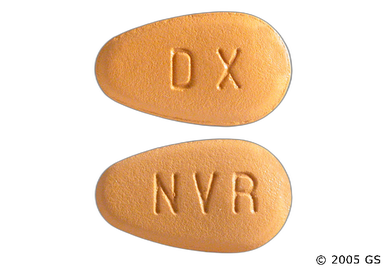









 Don't take valsartan (Diovan) if you're pregnant because the medication can
 Stop taking valsartan (Diovan) and let a member of your healthcare team know right away if you find out that you're pregnant during treatment. Discuss with your primary care provider or cardiologist about taking a