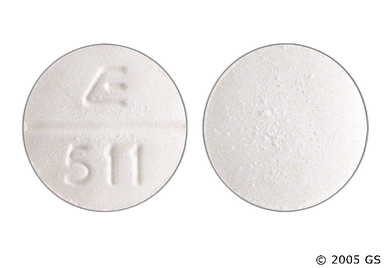
Quinidine Sulfate
Quinidine is one of the oldest antiarrhythmic medications, but isn't used as often these days since there are better alternatives.


What is Quinidine?
What is Quinidine used for?
- Treatment of atrial fibrillation or flutter
- Prevention of atrial fibrillation or flutter
- Prevention of ventricular arrhythmias
How Quinidine works
Quinidine is an antiarrhythmic. It works by blocking sodium channels, which play a major part in your heart's electrical activity. It slows down abnormal electricity in your heart in order to treat or prevent abnormal rhythms.
Drug facts
| Common Brands | Quinora |
|---|---|
| Drug Class | Antiarrhythmic |
| Controlled Substance Classification | Not a controlled medication |
| Generic Status | Lower-cost generic available |
| Availability | Prescription only |

Side effects of Quinidine
The following side effects may get better over time as your body gets used to the medication. Let your healthcare provider know immediately if you continue to experience these symptoms or if they worsen over time.
Common Side Effects
- Diarrhea (35%)
- Upset stomach (22%)
- Lightheadedness (15%)
- Headache (7%)
- Fatigue (7%)
- Palpitations (7%)
- Chest pain (6%)
- Weakness (5%)
- Rash (5%)
Less Common Side Effects
- Problems with vision
- Change in sleep habits
- Shaking or tremor
- Nervousness
- Difficulty with coordination or movement
- Liver injury
- Autoimmune reactions
Quinidine serious side effects
Contact your healthcare provider immediately if you experience any of the following.
- Abnormal heart rhythm: chest pain or discomfort, weakness, dizziness, or fainting
The following Quinidine side effects have also been reported
Along with its needed effects, a medicine may cause some unwanted effects. Although not all of these side effects may occur, if they do occur they may need medical attention.
Check with your doctor immediately if any of the following side effects occur:
Less common
Abdominal pain and/or yellow eyes or skin
blurred and/or double vision, confusion, delirium, disturbed color perception, headache, noises or ringing in the ear, and/or visual intolerance of light
dizziness or lightheadedness
fainting
Rare
Chest pain, fever, general discomfort, joint pain, joint swelling, muscle pain, and/or skin rash
nosebleeds or bleeding gums
unusual tiredness or weakness and/or pale skin
Some side effects may occur that usually do not need medical attention. These side effects may go away during treatment as your body adjusts to the medicine. Also, your health care professional may be able to tell you about ways to prevent or reduce some of these side effects. Check with your health care professional if any of the following side effects continue or are bothersome or if you have any questions about them:
Other side effects not listed may also occur in some patients. If you notice any other effects, check with your healthcare professional.
Call your doctor for medical advice about side effects. You may report side effects to the FDA at 1-800-FDA-1088.

Pros and cons of Quinidine
Pros
- A preferred choice for some people with Brugada syndrome
- Available in a lower-cost, generic form
Cons
- Higher chance of death compared to alternatives; only used in very specific scenarios
- Many drug interactions

Pharmacist tips for Quinidine

- When starting on quinidine, you may need to stay in the hospital for a few days so that providers can monitor your heart rhythm and watch for side effects more closely.
- For treatment of atrial fibrillation or flutter, quinidine should only be used after you have tried medications that slow down the heart rate, such as digoxin (Lanoxin) or beta-blockers (like metoprolol). In general, you should continue to take those medications when you start on quinidine, unless your provider has specifically told you to stop taking them or to take a different dose.
- For prevention of atrial fibrillation or flutter, the goal is to make these rhythms happen less frequently. It's normal to still have bouts of arrhythmia while on quinidine, but let your provider know if it's still happening too frequently.
- You can break the extended-release tablets in half so that it's easier to adjust your dose, but don't or crush or chew them.
- Diarrhea is a common side effect from both types of quinidine tablets. Let your provider know if it's bothersome, or if it is causing you to become dehydrated.
- Make sure your provider and pharmacist know all of the medications that you're taking, so they can help you look out for any dangerous interactions with quinidine.
- Quinidine also kills certain strains of malaria, though the oral form of quinidine isn't typically used to treat or prevent malaria.

Risks and warnings for Quinidine
Quinidine can cause some serious health issues. This risk may be even higher for certain groups. If this worries you, talk to your doctor or pharmacist about other options.
Higher risk of death
- Risk factors: Abnormal heart structure (including heart failure and history of heart attack)
 Some studies have shown that people who took quinidine for abnormal heart rhythms (arrhythmias) that were not life-threatening had a greater risk of dying, compared to those who took a placebo or other antiarrhythmic. Your prescriber should give you quinidine only for life-threatening arrhythmias and only when absolutely necessary.
Arrhythmia (abnormal heart rhythm)
- Risk factors: Slow heart rate | Low levels of potassium, magnesium, or calcium | High levels of quinidine in the blood | Long-QT syndrome | History of torsades de pointes (a type of arrhythmia) | 'Heart block' without a pacemaker
Antiarrhythmic medications like quinidine can cause new or worsened arrhythmia, including rhythms that are too fast or too slow. Many of these conditions are life-threatening, so you should only take this medication if you have a serious heart condition and if you are able to follow-up with your provider regularly to monitor your heart health. You will get an EKG (test of your heart's electrical activity) on a regular basis to make sure the quinidine is working as it should. If your electrolyte levels are low, you may need to take supplements. If you ever experience chest discomfort, dizziness, fainting, or fast heartbeat while you are on quinidine, get medical help right away.
Quinidine levels too high/low
- Risk factors: Liver disease | Kidney disease | Heart failure | Taking medications that interact with quinidine
Poor liver or kidney function, heart failure, and certain medications can cause quinidine levels in the body to be higher, leading to more side effects. On the other hand, some medications can cause quinidine levels to be too low, making it not work as well. If you have any of these risk factors, your provider may check lab and heart tests more frequently to be safe. Be sure to talk to your providers, including your pharmacist, about all the medications you are taking.
Drug interactions
Many medications can affect the levels of quinidine in the body. At the same time, quinidine can also also cause problems with other medications by affecting their levels or making them work more strongly. Be sure to talk to your providers, including your pharmacist, about all the medications you are taking. While you are on quinidine, don't start or change your medications without first talking with your provider or pharmacist.

Quinidine dosage


Interactions between Quinidine and other drugs
Although certain medicines should not be used together at all, in other cases two different medicines may be used together even if an interaction might occur. In these cases, your doctor may want to change the dose, or other precautions may be necessary. When you are taking this medicine, it is especially important that your healthcare professional know if you are taking any of the medicines listed below. The following interactions have been selected on the basis of their potential significance and are not necessarily all-inclusive.
Using this medicine with any of the following medicines is not recommended. Your doctor may decide not to treat you with this medication or change some of the other medicines you take.
- Aurothioglucose
- Bepridil
- Cisapride
- Colchicine
- Dronedarone
- Eliglustat
- Fingolimod
- Fluconazole
- Grepafloxacin
- Itraconazole
- Ketoconazole
- Lefamulin
- Levomethadyl
- Mesoridazine
- Mifepristone
- Nelfinavir
- Pimozide
- Piperaquine
- Posaconazole
- Ritonavir
- Saquinavir
- Sparfloxacin
- Terfenadine
- Thioridazine
- Tipranavir
- Vernakalant
- Voriconazole
- Ziprasidone
Using this medicine with any of the following medicines is usually not recommended, but may be required in some cases. If both medicines are prescribed together, your doctor may change the dose or how often you use one or both of the medicines.
- Abametapir
- Acetazolamide
- Afatinib
- Ajmaline
- Alefacept
- Alfuzosin
- Amiodarone
- Amisulpride
- Amitriptyline
- Amoxapine
- Amphetamine
- Amprenavir
- Anagrelide
- Apomorphine
- Aprindine
- Arbutamine
- Aripiprazole
- Aripiprazole Lauroxil
- Arsenic Trioxide
- Artemether
- Asenapine
- Astemizole
- Atazanavir
- Atracurium
- Azithromycin
- Bedaquiline
- Benzphetamine
- Berotralstat
- Betrixaban
- Boceprevir
- Brexpiprazole
- Buprenorphine
- Buserelin
- Ceritinib
- Chloral Hydrate
- Chloroquine
- Ciprofloxacin
- Citalopram
- Clarithromycin
- Clofazimine
- Clomipramine
- Clozapine
- Cobicistat
- Codeine
- Conivaptan
- Crizotinib
- Cyclobenzaprine
- Dabigatran Etexilate
- Dabrafenib
- Dasabuvir
- Dasatinib
- Decamethonium
- Degarelix
- Delamanid
- Delavirdine
- Desipramine
- Deslorelin
- Deutetrabenazine
- Dextroamphetamine
- Digitoxin
- Digoxin
- Dihydrocodeine
- Disopyramide
- Dofetilide
- Dolasetron
- Domperidone
- Donepezil
- Doxepin
- Doxorubicin
- Doxorubicin Hydrochloride Liposome
- Droperidol
- Edoxaban
- Efavirenz
- Eluxadoline
- Encorafenib
- Enflurane
- Entrectinib
- Enzalutamide
- Erdafitinib
- Erythromycin
- Escitalopram
- Etravirine
- Flecainide
- Formoterol
- Fosamprenavir
- Foscarnet
- Fosnetupitant
- Fostemsavir
- Gatifloxacin
- Gemifloxacin
- Glasdegib
- Gonadorelin
- Goserelin
- Granisetron
- Halofantrine
- Haloperidol
- Halothane
- Histrelin
- Hydroquinidine
- Hydroxychloroquine
- Hydroxyzine
- Ibutilide
- Imipramine
- Infliximab
- Inotuzumab Ozogamicin
- Isavuconazonium Sulfate
- Isoflurane
- Isradipine
- Ivabradine
- Ivosidenib
- Lacosamide
- Lanreotide
- Lapatinib
- Lenvatinib
- Levofloxacin
- Lidocaine
- Lidoflazine
- Lisdexamfetamine
- Lofexidine
- Lopinavir
- Lorcainide
- Lorlatinib
- Lumacaftor
- Lumefantrine
- Macimorelin
- Mefloquine
- Methadone
- Methamphetamine
- Metoclopramide
- Metronidazole
- Mexiletine
- Mirtazapine
- Morphine
- Morphine Sulfate Liposome
- Moxifloxacin
- Nafarelin
- Nalidixic Acid
- Nebivolol
- Netupitant
- Nilotinib
- Norfloxacin
- Nortriptyline
- Octreotide
- Ofloxacin
- Ombitasvir
- Ondansetron
- Osilodrostat
- Osimertinib
- Oxaliplatin
- Ozanimod
- Paliperidone
- Pancuronium
- Panobinostat
- Paritaprevir
- Pasireotide
- Pazopanib
- Pentamidine
- Pimavanserin
- Pirmenol
- Pitolisant
- Pixantrone
- Ponesimod
- Prilocaine
- Probucol
- Procainamide
- Prochlorperazine
- Propafenone
- Protriptyline
- Quetiapine
- Quinine
- Ranolazine
- Relugolix
- Ribociclib
- Rimegepant
- Risperidone
- Selpercatinib
- Sertraline
- Sevoflurane
- Simeprevir
- Siponimod
- Sodium Phosphate
- Sodium Phosphate, Dibasic
- Sodium Phosphate, Monobasic
- Solifenacin
- Sorafenib
- Sotalol
- Spiramycin
- Succinylcholine
- Sulfamethoxazole
- Sulpiride
- Sunitinib
- Tacrolimus
- Telaprevir
- Telavancin
- Telithromycin
- Tetrabenazine
- Topotecan
- Toremifene
- Tramadol
- Trazodone
- Triclabendazole
- Trifluoperazine
- Trimethoprim
- Trimipramine
- Triptorelin
- Tubocurarine
- Tucatinib
- Ubrogepant
- Ulipristal
- Valbenazine
- Vandetanib
- Vardenafil
- Vecuronium
- Vemurafenib
- Venetoclax
- Vilazodone
- Vincristine
- Vincristine Sulfate Liposome
- Vinflunine
- Voclosporin
- Vortioxetine
- Voxelotor
- Zolmitriptan
- Zuclopenthixol
Using this medicine with any of the following medicines may cause an increased risk of certain side effects, but using both drugs may be the best treatment for you. If both medicines are prescribed together, your doctor may change the dose or how often you use one or both of the medicines.
- Abarelix
- Amiloride
- Atenolol
- Cimetidine
- Dalfopristin
- Dextromethorphan
- Dicumarol
- Fosphenytoin
- Galantamine
- Magaldrate
- Magnesium Carbonate
- Magnesium Hydroxide
- Magnesium Oxide
- Magnesium Trisilicate
- Nifedipine
- Nisoldipine
- Paroxetine
- Phenobarbital
- Phenytoin
- Propranolol
- Quinupristin
- Rifapentine
- Tolterodine
- Verapamil

How much does Quinidine cost?
$330.24

What are alternatives to Quinidine?

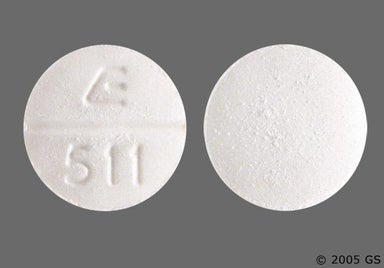
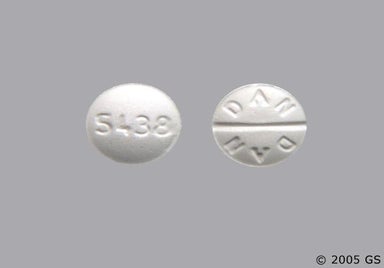
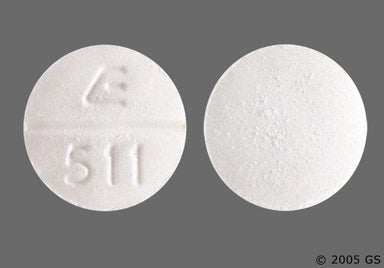
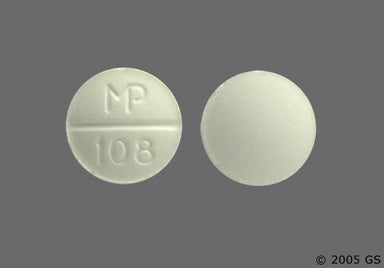
Quinidine images