










Famotidine vs. Omeprazole: Which Works Best for GERD?
Omeprazole and famotidine both treat GERD symptoms, like heartburn. Learn how they differ so you can choose the best medication for you.
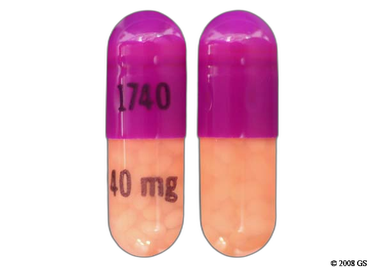
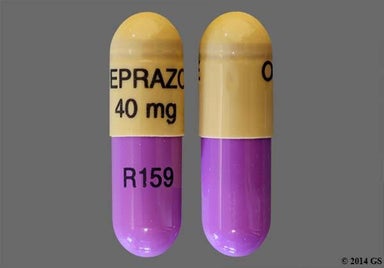
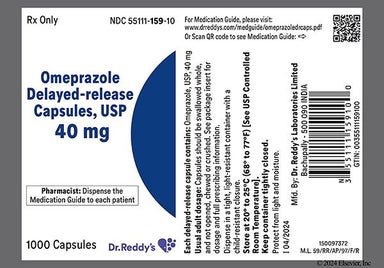
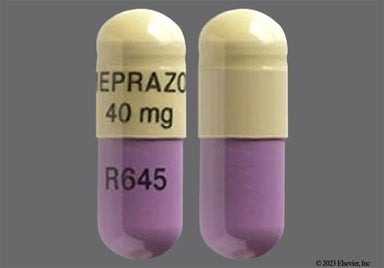
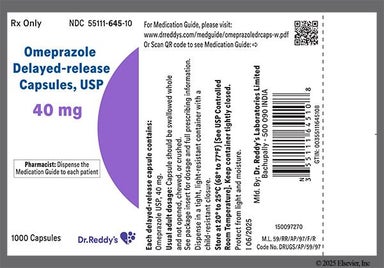
Omeprazole (Prilosec) is a proton pump inhibitor (PPI). Over-the-counter (OTC) omeprazole (Prilosec) can ease heartburn, while the prescription version can treat gastroesophageal reflux disease (GERD) and other conditions involving too much stomach acid. Omeprazole (Prilosec) is taken by mouth, typically once daily 30 minutes before breakfast. Some of the more common side effects of omeprazole (Prilosec) include headache, stomach pain, and nausea. It's available as both brand name and generic medications.

For adults only:
For adults and children:
Omeprazole (Prilosec) is a proton pump inhibitor (PPI). It lowers the amount of acid in your stomach by blocking the final step of stomach acid production. This helps relieve heartburn and other stomach problems.
| Common Brands | Prilosec, Prilosec OTC |
|---|---|
| Drug Class | PPI |
| Controlled Substance Classification | Not a controlled medication |
| Generic Status | Lower-cost generic available |
| Availability | Prescription or over-the-counter |

The following side effects may get better over time as your body gets used to the medication. Let your healthcare provider know immediately if you continue to experience these symptoms or if they worsen over time.
Adults
Children — similar to the above, with the addition of:
Contact your healthcare provider immediately if you experience any of the following.
Along with its needed effects, a medicine may cause some unwanted effects. Although not all of these side effects may occur, if they do occur they may need medical attention.
Check with your doctor immediately if any of the following side effects occur:
Rare
Back, leg, or stomach pain
bleeding or crusting sores on the lips
blisters
bloody or cloudy urine
chills
continuing ulcers or sores in the mouth
difficult, burning, or painful urination
frequent urge to urinate
general feeling of discomfort or illness
itching, skin rash
joint pain
loss of appetite
muscle aches or cramps
red or irritated eyes
redness, tenderness, itching, burning, or peeling of the skin
sores, ulcers, or white spots on the lips, in the mouth, or on the genitals
unusual bleeding or bruising
unusual tiredness or weakness
Incidence not known
Blistering, peeling, or loosening of the skin
drowsiness
fast, racing, or uneven heartbeat
mood or mental changes
muscle spasms (tetany) or twitching seizures
red skin lesions, often with a purple center
red, irritated eyes
trembling
vomiting
Get emergency help immediately if any of the following symptoms of overdose occur:
Symptoms of overdose
Blurred vision
confusion
dryness of the mouth
flushing
headache
increased sweating
Some side effects may occur that usually do not need medical attention. These side effects may go away during treatment as your body adjusts to the medicine. Also, your health care professional may be able to tell you about ways to prevent or reduce some of these side effects. Check with your health care professional if any of the following side effects continue or are bothersome or if you have any questions about them:
Other side effects not listed may also occur in some patients. If you notice any other effects, check with your healthcare professional.
Call your doctor for medical advice about side effects. You may report side effects to the FDA at 1-800-FDA-1088.



Tips for over-the-counter omeprazole (Prilosec OTC)

Omeprazole (Prilosec) can cause some serious health issues. This risk may be even higher for certain groups. If this worries you, talk to your doctor or pharmacist about other options.
Frequent episodes of heartburn can be a symptom of stomach cancer. If your heartburn gets worse or comes back after taking omeprazole (Prilosec), let your primary care provider know. Also contact your primary care provider if you've poor appetite, unexplained weight loss, or weakness along with your heartburn. They can check if there are other serious medical problems going on.
Some people taking PPIs like omeprazole (Prilosec) have had sudden kidney problems. These problems can happen at any point during treatment. Talk with your primary care provider if you're urinating more or less than usual, feel nauseous or weak, or have a fever, rash, or joint pain. These can be symptoms of kidney problems.
Some clinical studies showed that PPIs, such as omeprazole (Prilosec), can raise the risk of getting a bacterial infection called Clostridioides difficile (C. diff). This infection can cause severe diarrhea. Your risk is higher if you're over 65 years old, have recently stayed at a hospital or nursing home, or have a weakened immune system. To lower your risk of C. diff diarrhea, take the lowest possible dose of omeprazole (Prilosec) for the shortest amount of time that works well for you. If you experience severe or watery diarrhea, fever, belly pain, loss of appetite, or nausea, let your primary care provider know right away.
PPIs like omeprazole (Prilosec) might raise the risk of bone fractures in the hip, wrist, or spine. Your risk is higher if you take more than one dose of omeprazole (Prilosec) per day or if you take it for more than a year. To prevent the risk of bone fracture, take the lowest possible dose of omeprazole (Prilosec) for the shortest amount of time for your symptoms. If you've had bone fractures before or have osteoporosis (weak bones), talk to your prescriber about your risk before using this medication.
PPIs, such as omeprazole (Prilosec), have rarely caused serious skin reactions. These reactions include Stevens-Johnson syndrome (SJS) and toxic epidermal necrolysis (TEN). Symptoms can include fever, body aches, rash, peeling skin, painful blisters, and swelling of the face. If you notice any of these symptoms, get medical help immediately.
Some people taking PPIs like omeprazole (Prilosec) developed new or worsening lupus, a condition where your immune system attacks your own body. Lupus symptoms can occur any time during treatment with omeprazole (Prilosec). Some typical symptoms include joint pain or rash, but they often improve within 1 to 3 months of stopping this medication. If you experience any lupus symptoms while taking omeprazole (Prilosec), stop the medication and contact your primary care provider.
Using acid-lowering medications like omeprazole (Prilosec) for a long period of time can cause your vitamin B12 levels to drop. Omeprazole (Prilosec) lowers the amount of acid in your stomach, which is needed for vitamin B12 absorption. If you've been taking this medication for longer than 3 years, or if you have symptoms of vitamin B12 deficiency (e.g., dizziness, muscle weakness, pale skin, tiredness, tingling in arms or legs), talk to your prescriber.
Taking omeprazole (Prilosec) can also lower your magnesium levels. This can happen 3 months after taking omeprazole (Prilosec), but it's more likely after a year of treatment. Low magnesium levels can sometimes lead to other electrolyte problems. You're at risk for low magnesium levels if you take other medications that can affect electrolyte levels, such as digoxin (Lanoxin) or water pills. Your primary care provider might check your blood during treatment with omeprazole (Prilosec) to make sure your electrolyte levels are in the normal range. Watch for symptoms of electrolyte problems like irregular heart rate, muscle cramps, and tremors. Let your primary care provider know right away if they occur.
Some medications can interfere with how your body gets rid of omeprazole (Prilosec). Depending on if they boost or block how omeprazole (Prilosec) gets removed, the medications can affect the amount of omeprazole (Prilosec) in your body, how well it works, and the risk of side effects. For example, St. John’s wort and rifampin (Rifadin) can lower the amount of omeprazole (Prilosec) in your body and cause the medication to not work as well. Avoid these medications while taking omeprazole (Prilosec).
Omeprazole (Prilosec) can also interfere with how other medications work. An important medication to avoid with omeprazole (Prilosec) is clopidogrel (Plavix). Omeprazole (Prilosec) causes clopidogrel (Plavix) to not work as well, which raises the risk of blood clots. In addition, omeprazole (Prilosec) can raise the risk of methotrexate toxicity when taken together with methotrexate.
Omeprazole (Prilosec) can get in the way of certain tumor screenings, which can lead to inaccurate results. Talk with your primary care provider or radiologist about your medication history before getting any testing done. In some cases, your care team might ask you to temporarily stop omeprazole (Prilosec) 2 weeks before your blood work.

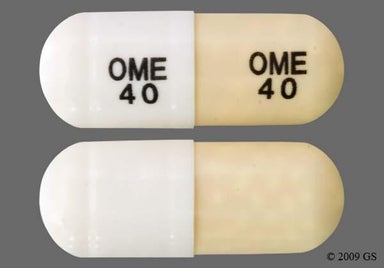
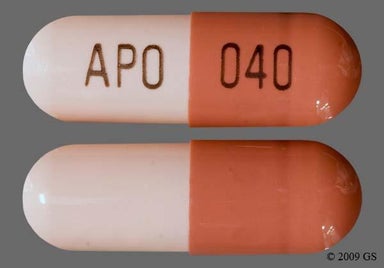
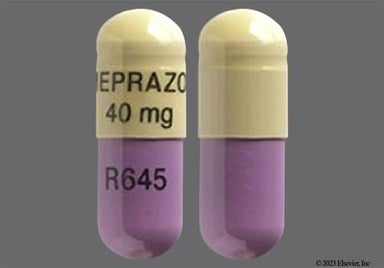
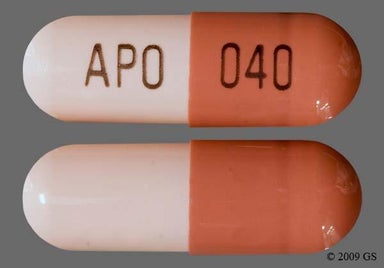
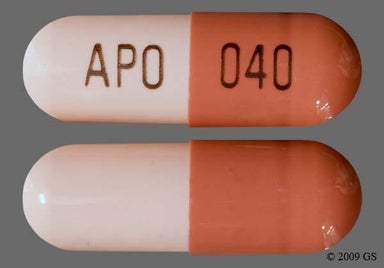
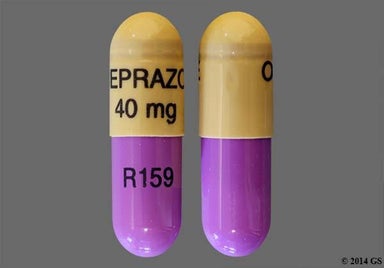
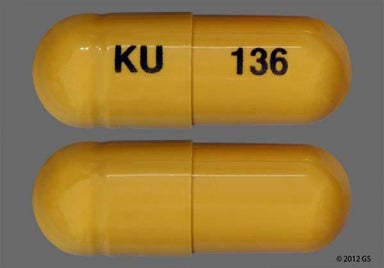
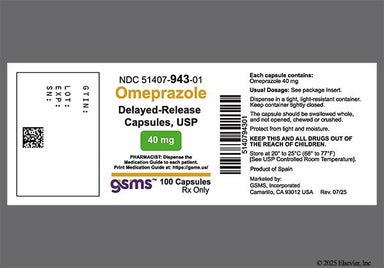
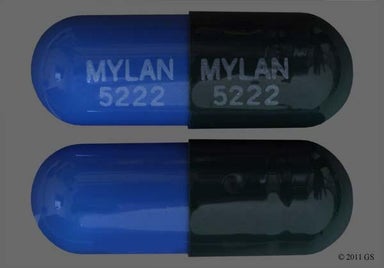
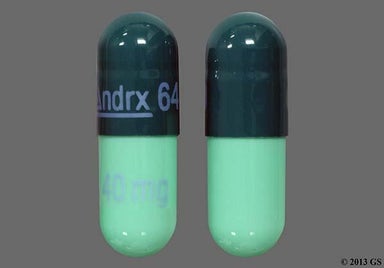
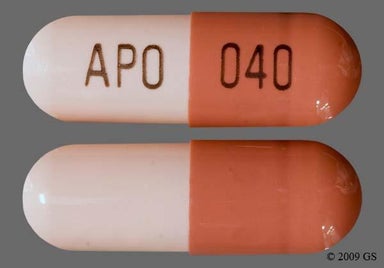
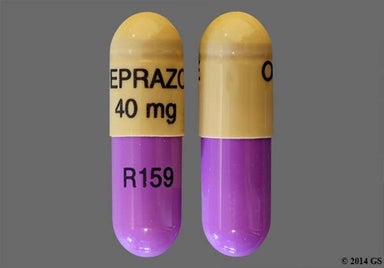
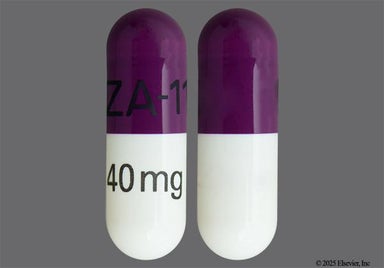
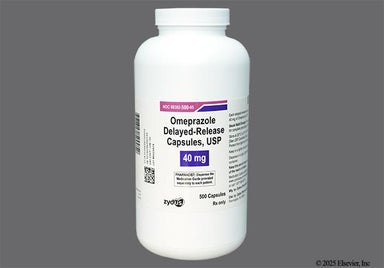
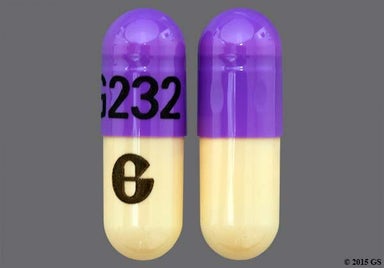
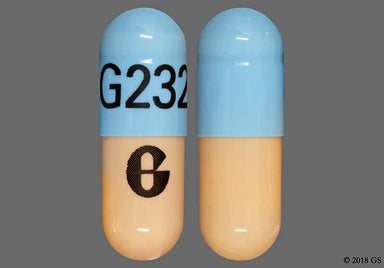
 Capsule
| Dosage | Quantity | Price as low as | Price per unit |
|---|---|---|---|
| 20mg | 90 capsules | $15.77 | $0.18 |
| 40mg | 30 capsules | $8.60 | $0.29 |
| 10mg | 30 capsules | $13.79 | $0.46 |
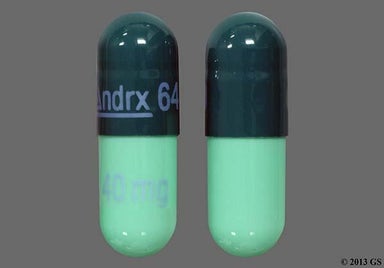
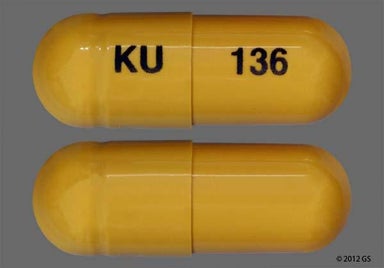
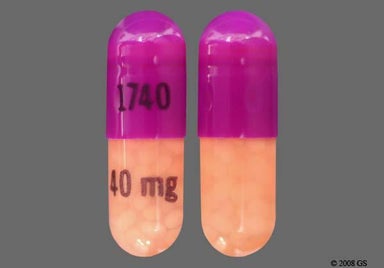
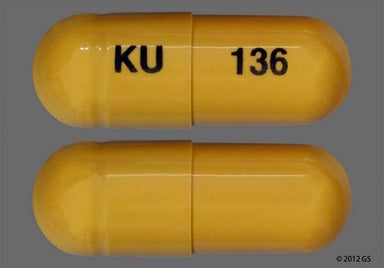
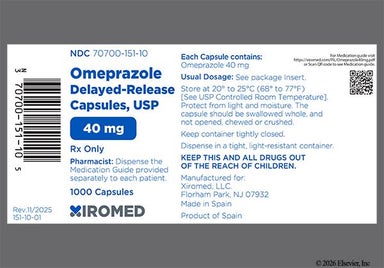
Omeprazole (Prilosec) is available both over the counter (OTC) and by prescription. The OTC strength is 20 mg, and the prescription strengths are 10 mg, 20 mg, and 40 mg.
The dosing for adults is listed below. Dosing for children will depend on the child’s weight, age, and the reason they're taking the medication. In general, your child's provider will determine the dosage your child needs to take.
OTC dosing (adults):
Prescription dosing (adults):
Prescription dosing (children): Your child's dose will depend on their condition and body weight.

Although certain medicines should not be used together at all, in other cases two different medicines may be used together even if an interaction might occur. In these cases, your doctor may want to change the dose, or other precautions may be necessary. When you are taking this medicine, it is especially important that your healthcare professional know if you are taking any of the medicines listed below. The following interactions have been selected on the basis of their potential significance and are not necessarily all-inclusive.
Using this medicine with any of the following medicines is not recommended. Your doctor may decide not to treat you with this medication or change some of the other medicines you take.
Using this medicine with any of the following medicines is usually not recommended, but may be required in some cases. If both medicines are prescribed together, your doctor may change the dose or how often you use one or both of the medicines.
Using this medicine with any of the following medicines may cause an increased risk of certain side effects, but using both drugs may be the best treatment for you. If both medicines are prescribed together, your doctor may change the dose or how often you use one or both of the medicines.


Contraindications are specific health conditions or situations in which a person should not take a medication due to safety concerns. If you have any of the following conditions or if any of the following apply to you, let your healthcare provider know because Omeprazole (Prilosec) will not be safe for you to take.










Prescription savings
Stop paying too much for your prescriptions. Compare prices, get pharmacy coupons, and save up to 80%. Find expert answers to your health questions so you can make the best decisions for yourself and your family.
Health conditions
Medications & treatment
Access & affordability
Medication discounts

Omeprazole isn't an antacid; it's a proton pump inhibitor (PPI). While both antacids and PPIs can ease heartburn, they do so in different ways. Antacids do so by neutralizing stomach acid. But PPIs, like Omeprazole, block acid from getting "pumped" into the stomach.
How long it takes for Omeprazole to work depends on what condition you're taking it to treat. If you're taking Omeprazole for heartburn, it typically takes 1 to 4 days to fully relieve your symptoms. But some people have experienced complete relief within 24 hours. And if you're prescribed Omeprazole for conditions such as stomach ulcers, you might need to continue treatment for 1 to 2 months for healing.
Your primary care provider (PCP) might recommend that you take an antacid, like calcium carbonate (Tums), with Omeprazole. This is because Omeprazole can take 1 to 4 days to reach its full effects in easing heartburn symptoms. So you might need more quicker-acting heartburn medications, such as calcium carbonate (Tums), for more immediate relief. Ask your PCP about other treatments you can use to relieve your heartburn.
Typically, you're recommended to take Omeprazole 30 to 60 minutes before your meal. If you're taking this medication once daily, your primary care provider (PCP) will most likely recommend that you take it in the morning. But if you're taking Omeprazole twice daily, take your first dose before breakfast and your second dose before dinner. Ask your care team if you've questions about the best time to take Omeprazole.
It's recommended to take Omeprazole on an empty stomach, about 30 to 60 minutes before meals. But if you forget to take this medication before a meal, you can still take it after eating. Just know that Omeprazole might not work as well.
If you’re pregnant or planning on becoming pregnant, ask your healthcare professional (HCP) about the risks of taking Omeprazole. While more research is needed, existing studies suggest that Omeprazole isn't likely to cause serious birth defects or premature births if taken during pregnancy. If you have heartburn or other medical conditions where there's too much stomach acid, talk with your HCP about possible treatment options during pregnancy.
Some studies suggest that people who take PPIs, like Omeprazole, over a longer period of time might be at higher risk for stomach cancer. More research is needed to understand the link between Omeprazole and cancer. But one possible explanation is taking a PPI raises the level of a hormone called gastrin, which might be linked to stomach cancer. Another explanation is that taking a PPI long-term can mask the symptoms of stomach cancer, which include frequent episodes of heartburn. If you're concerned about Omeprazole and the possible risk of cancer, talk with your primary care provider.
Omeprazole and esomeprazole (Nexium) are both PPIs used to treat similar stomach conditions. They're both available OTC and by prescription from a healthcare professional; both have lower-cost generics available as well. Both medications have similar chemical structures, so you shouldn't take both at the same time because they're doing the same thing to lessen the production of stomach acid. The American College of Gastroenterology doesn't recommend one over another when it comes to treating GERD symptoms.
