lubiprostone
Lubiprostone (Amitiza) is a good option for treating various types of constipation if other medications are not working well enough. It's available as a generic, which may not be much cheaper if it's not covered by insurance.


What is Lubiprostone (Amitiza)?
What is Lubiprostone (Amitiza) used for?
- Long-term constipation due to unclear cause (idiopathic)
- Constipation due to opioids
- Constipation due to irritiable bowel syndrome (IBS) in women 18 years or older
How Lubiprostone (Amitiza) works
Lubiprostone (Amitiza) is a chloride channel activator. It raises the amount of chloride and fluid in the intestines, so that stool can pass more loosely and easily.
Drug facts

Side effects of Lubiprostone (Amitiza)
The following side effects may get better over time as your body gets used to the medication. Let your healthcare provider know immediately if you continue to experience these symptoms or if they worsen over time.
Common Side Effects
- Nausea (>4%)
- Diarrhea (>4%)
Less Common Side Effects
- Headache
- Abdominal pain
- Bloating
- Gas
Lubiprostone (Amitiza) serious side effects
Contact your healthcare provider immediately if you experience any of the following.
- Severe diarrhea
- Low blood pressure or fainting
- Difficulty breathing
The following Lubiprostone (Amitiza) side effects have also been reported
Along with its needed effects, a medicine may cause some unwanted effects. Although not all of these side effects may occur, if they do occur they may need medical attention.
Check with your doctor immediately if any of the following side effects occur:
More common
full or bloated feeling or pressure in the stomach
stomach pain
swelling of the abdominal or stomach area
Less common
Black, tarry stools
blood in the stools
chest discomfort or pain
chills
colds
difficult or labored breathing
general feeling of discomfort or illness
headache
increased sweating
joint pain
loss of appetite
loss of bowel control
muscle aches and pains
shivering
stomach discomfort
sweating
tightness in the chest
trouble sleeping
unusual tiredness or weakness
vomiting
Incidence not known
Blurred vision
confusion
difficulty with swallowing
dizziness, faintness, or lightheadedness when getting up suddenly from a lying or sitting position
fainting
fast, pounding, or irregular heartbeat or pulse
hives or skin rash
puffiness or swelling of the eyelids or around the eyes, face, lips, or tongue
stomach tenderness
swelling
Get emergency help immediately if any of the following symptoms of overdose occur:
Symptoms of overdose
Dry heaves
feeling of warmth
lack or loss of strength
paleness of the skin
redness of the face, neck, arms, and occasionally, upper chest
severe, unusual tiredness or weakness
Some side effects may occur that usually do not need medical attention. These side effects may go away during treatment as your body adjusts to the medicine. Also, your health care professional may be able to tell you about ways to prevent or reduce some of these side effects. Check with your health care professional if any of the following side effects continue or are bothersome or if you have any questions about them:
Less common
Belching
bladder pain
bloody or cloudy urine
change in taste
cold sweats
difficult, burning, or painful urination
difficulty with moving
discouragement
dizziness
fear or nervousness
feeling sad or empty
frequent urge to urinate
increased weight
indigestion
irritability
loss of interest or pleasure
loss of taste
lower back or side pain
muscle cramps
muscle stiffness
stomach upset
swollen joints
tingling of the hands or feet
unusual drowsiness, dullness, tiredness, or feeling of sluggishness
Other side effects not listed may also occur in some patients. If you notice any other effects, check with your healthcare professional.
Call your doctor for medical advice about side effects. You may report side effects to the FDA at 1-800-FDA-1088.

Get your GoodRx coupon

Pros and cons of Lubiprostone (Amitiza)
Pros
- Works in a unique way to treat constipation (it's the only medication in its class)
- Treats constipation that hasn't responded well to other medications
- Available as a generic form, though it may still be expensive
Cons
- Not approved for people with constipation caused by opioids for cancer-related pain
- Not approved for children
- Only available as a capsule that must be swallowed whole
- Can cause nausea and diarrhea

Pharmacist tips for Lubiprostone (Amitiza)

- Take lubiprostone (Amitiza) with food and a full glass of water to help prevent nausea.
- Swallow lubiprostone (Amitiza) whole. Do not break apart or chew the capsule, since it may not work as well or may cause more side effects. If you are having difficulty swallowing pills, ask your provider for alternative options to treat your constipation.
- Lubiprostone (Amitiza) can cause low blood pressure, especially after the first dose, though it can happen with later doses as well. If you tend to have low blood pressure or take blood pressure medications, it's a good idea to check your blood pressure on a regular basis and let your provider know if it gets too low. If you experience lightheadedness, or feel like you're about to pass out, sit or lie down and avoid getting up too quickly.
- If you have moderate or severe liver disease, lubiprostone (Amitiza) can build up in the body which can cause more side effects. Your provider may give you a smaller dose, or tell you to take it once-daily instead of twice-daily.
- Remember to follow-up with your provider regularly. Based on how your bowel habits are doing, you and your provider should discuss whether you still need to take this medication.
- If you were taking laxatives on a regular basis, ask your provider if you should continue taking them when you start lubiprostone (Amitiza). You may need fewer laxatives after you start lubiprostone (Amitiza) or if your stools become too loose.
- There's a small possibility that a little bit of lubiprostone (Amitiza) can get into breastmilk and cause diarrhea in babies. Let your provider know if your child is experiencing diarrhea or loose stools.
- To get the best effect from lubiprostone (Amitiza), you'll want to make sure to do all that you can to prevent constipation. This includes drinking plenty of fluids, and getting enough fiber in your diet by eating fruits and vegetables. Avoiding foods that cause gas or that contain lactose and gluten can help with constipation in certain people. Talk to your provider for more tips on preventing constipation.

Common questions about Amitiza
Amitiza doesn't work very quickly the way some laxatives do, so it should be taken regularly, not 'as-needed.' In the clinical studies for people with constipation due to unclear cause (idiopathic constipation), 57% to 63% people who took Amitiza were able to have a bowel movement within the first 24 hours. These statistics don't apply to all types of constipation, however, so you'll want to keep taking it as prescribed even if you don't have immediate success. Let your provider know if you aren't having more bowel movements after taking this medication for a few weeks.
Amitiza treats constipation, which is a common cause of bloating. If you have bloating that is due to constipation, then this medication can be quite helpful. Bloating may also be a sign of intestinal blockage, however, in which case you cannot use Amitiza.
Amitiza is a laxative because it helps with laxation, which is the medical term for having a bowel movement. Unlike traditional laxatives, which are typically helpful for constipation due to various causes (and are usually over-the-counter), Amitiza is prescription only and you must have a specific diagnosis such as constipation due to opioid pain medications, irritable bowel syndrome in adult women, or long-term 'idiopathic' constipation.
Amitiza has a unique mechanism, and there are currently no other chloride channel activator medications available. If your constipation is due to opioid pain medications, you may be able to use Movantik (naloxegol), Relistor (methylnaltrexone), or Symproic (naldemedine). If you have been diagnosed with 'idiopathic' (unclear cause) constipation or irritable bowel syndrome (IBS), Linzess (linaclotide) may be a good alternative. You can also consider traditional laxatives such as Dulcolax (bisacodyl), Miralax (polyethylene glycol 3350), or senna, since they're cheap and usually available over-the-counter, but it's best not to use them long-term without supervision from a healthcare provider.
Many people take Amitiza long term without any problems. Clinical studies have shown that it is safe to take Amitiza for 48 weeks to 9 months. Your condition may change with time, however. Remember to follow-up with your provider regularly. Based on how your bowel habits are doing, you and your provider should discuss whether you still need to take this medication.

How to save using GoodRx




Risks and warnings for Lubiprostone (Amitiza)
Lubiprostone (Amitiza) can cause some serious health issues. This risk may be even higher for certain groups. If this worries you, talk to your doctor or pharmacist about other options.
Low blood pressure and fainting
- Risk factors: Taking the higher (24 mcg) dose | Taking other medications that lower blood pressure
Lubiprostone (Amitiza) can cause low blood pressure as soon as 1 hour after taking the dose. Very low blood pressure can cause fainting and falls. The risk is higher if you're on the higher (24 mcg) dose, or take other medications that lower your blood pressure. Let your provider know if you are experiencing vomiting or diarrhea, which can also make you more likely to have low blood pressure or faint. If you experience lightheadedness or feel like you're about to pass out, sit or lie down to help with the symptoms, and avoid getting up too quickly. Contact your provider to see if it's safe to keep taking lubiprostone (Amitiza).
Difficulty breathing
Some people may experience chest tightness and difficulty breathing within 30 to 60 minutes of taking the first dose of lubiprostone (Amitiza). It usually goes away after a few hours. If you experience difficulty breathing, contact your provider to see if it's safe to keep taking lubiprostone (Amitiza), since the breathing effects may happen with future doses as well.
Intestinal blockage
Do not use lubiprostone (Amitiza) if you have a blockage in your stomach or intestines. Your provider will examine you for signs of blockage before starting you on lubiprostone (Amitiza). While on this medication, let your provider know if you experience any symptoms of blockage such as abdominal pain or cramping, feeling overly full, or difficulty passing gas or stool.

Lubiprostone (Amitiza) dosage
 Capsule
| Dosage | Quantity | Price as low as | Price per unit |
|---|---|---|---|
| 8mcg | 60 capsules | $43.18 | $0.72 |
| 24mcg | 60 capsules | $46.45 | $0.77 |
Typical dosage for Lubiprostone (Amitiza)
- Constipation due to opioids or unclear cause: Take 24 mcg by mouth twice daily.
- Constipation due to irritable bowel syndrome: Women who are age 18 years or older should take 8 mcg by mouth twice daily.

Interactions between Lubiprostone (Amitiza) and other drugs
Although certain medicines should not be used together at all, in other cases two different medicines may be used together even if an interaction might occur. In these cases, your doctor may want to change the dose, or other precautions may be necessary. Tell your healthcare professional if you are taking any other prescription or nonprescription (over-the-counter [OTC]) medicine.

How much does Lubiprostone (Amitiza) cost?

What are alternatives to Lubiprostone (Amitiza)?

News about Lubiprostone (Amitiza)








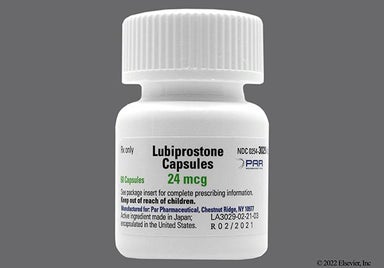
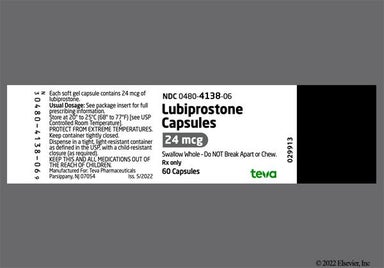
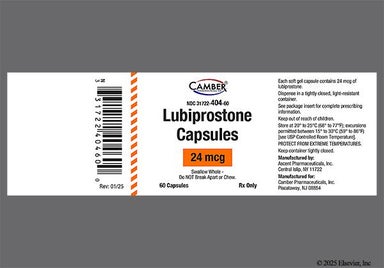
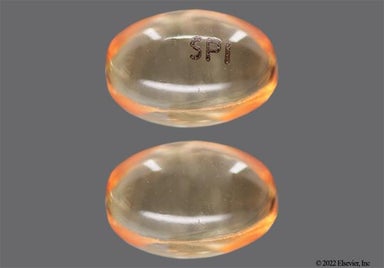
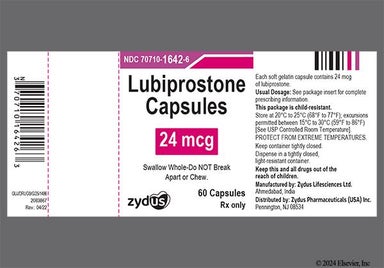
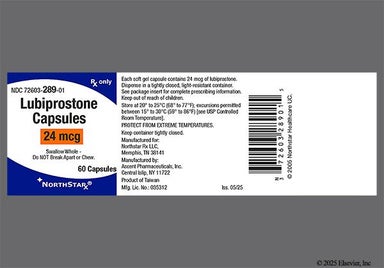
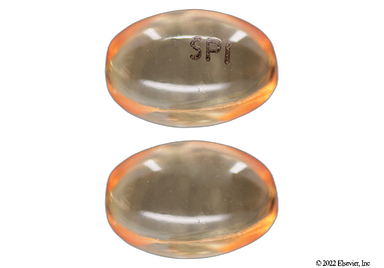
Lubiprostone (Amitiza) images