



10 Medication Side Effects That Can Affect Your Mouth
Some medications cause mouth-related side effects, like dry mouth and burning mouth syndrome. Here are 10 common issues and medications that may cause them.
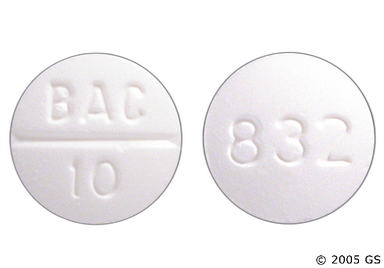
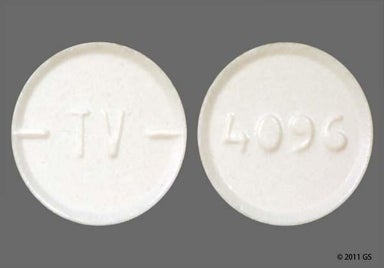
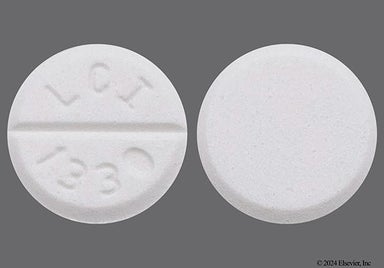
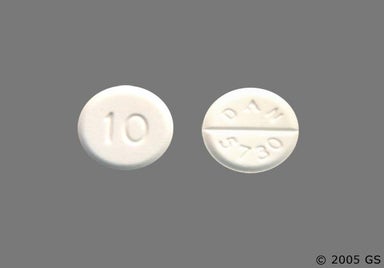
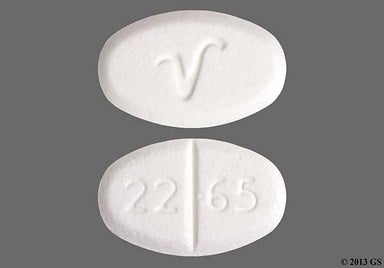
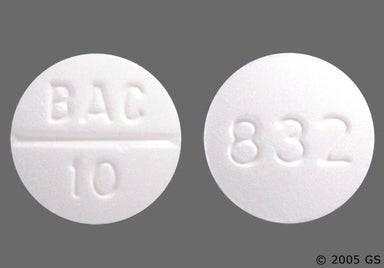
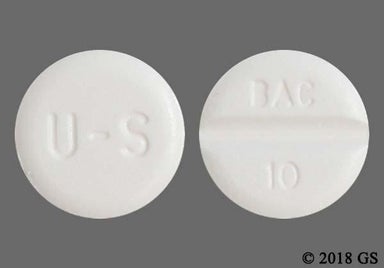
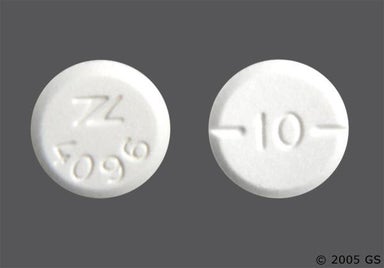
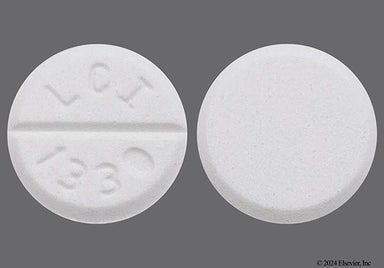
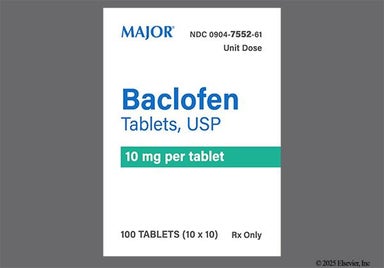
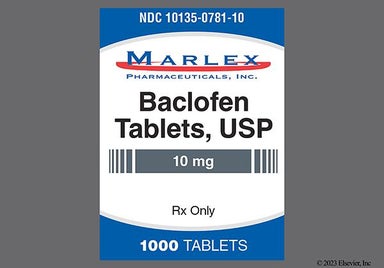
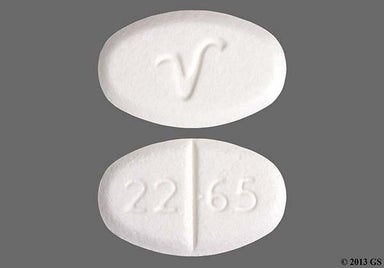
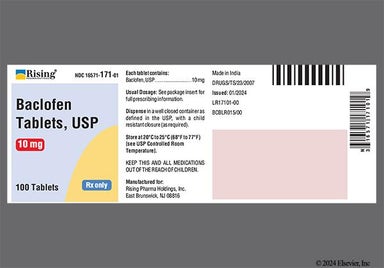
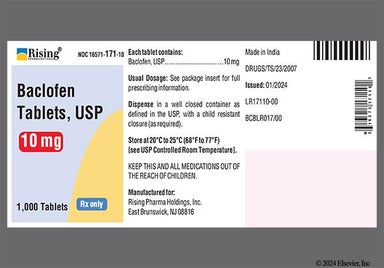
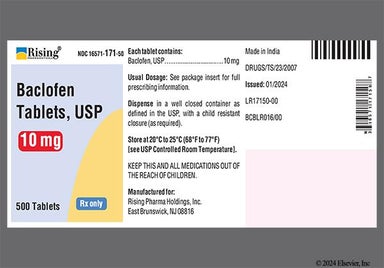
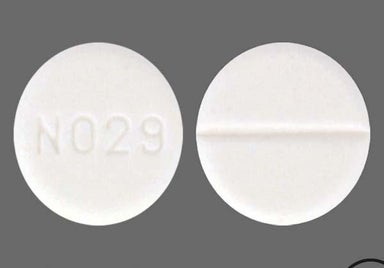
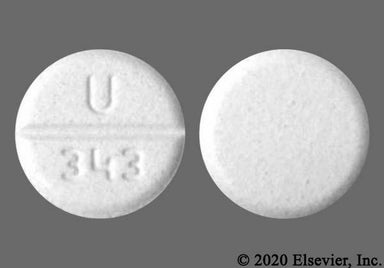
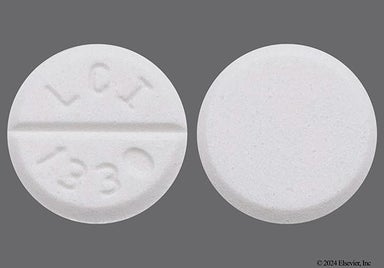
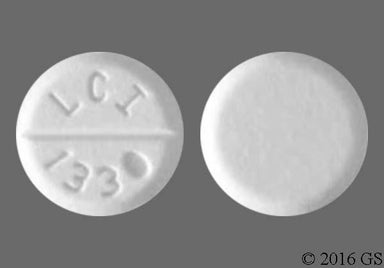
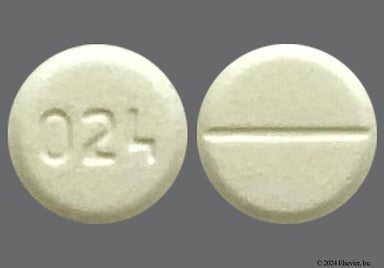
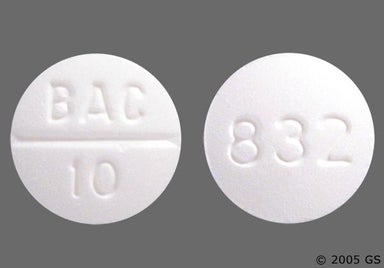
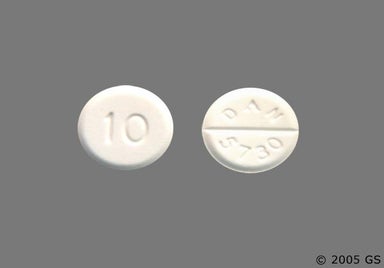
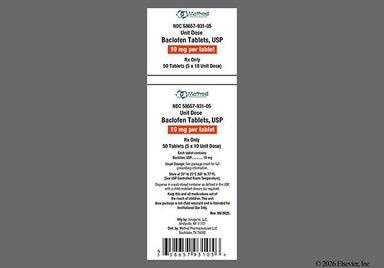
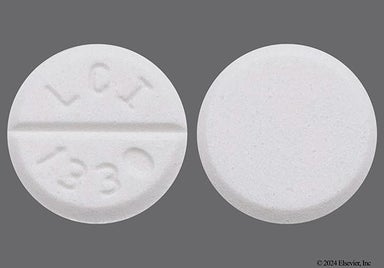
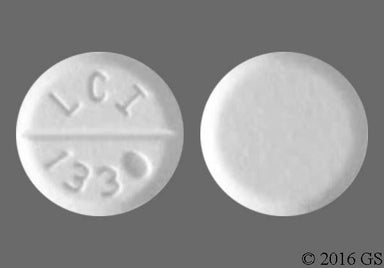
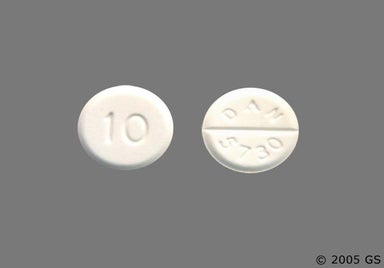
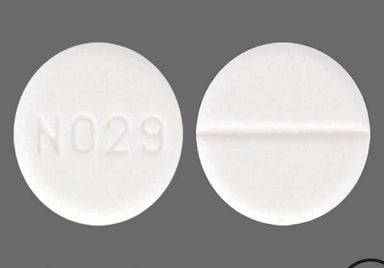
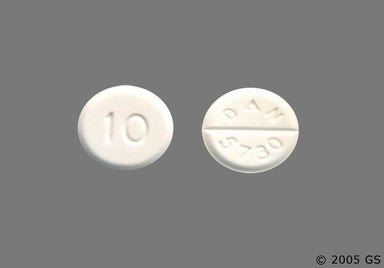
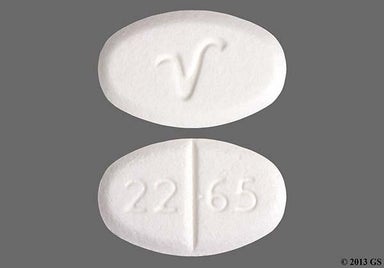
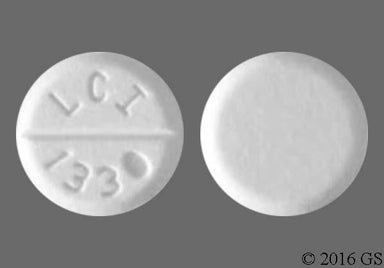
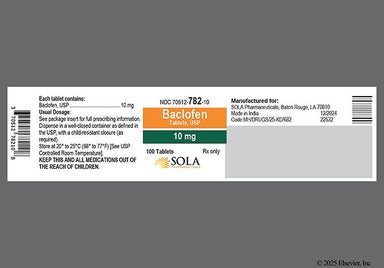
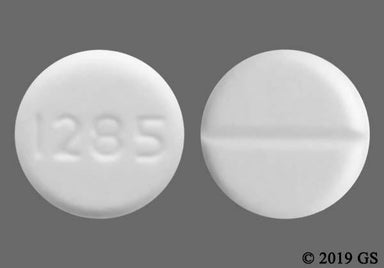
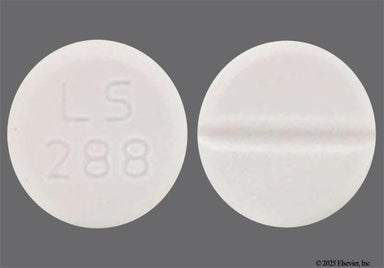
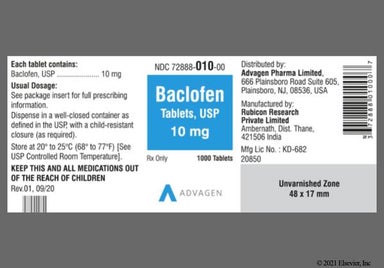
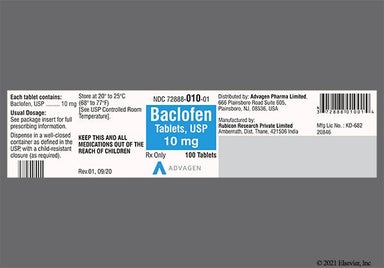
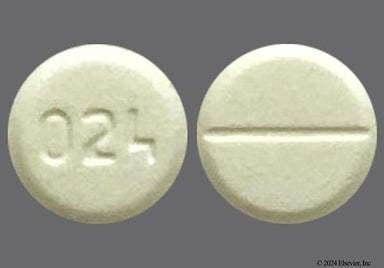
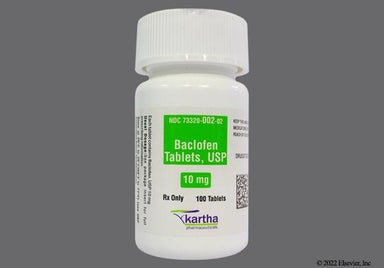
Baclofen is a muscle relaxer. It's used to treat muscle spasms from multiple sclerosis or spinal cord injuries in adults and children ages 12 years and older. This medication is taken by mouth, typically 3 times a day. Baclofen comes as tablets, as well as oral solutions (including brand names Ozobax DS and Fleqsuvy) and dissolvable granules (brand name Lyvispah) for people who've trouble swallowing tablets. Side effects of baclofen include sleepiness, dizziness, and nausea. If you stop this medication too suddenly, you might experience withdrawal symptoms.

Baclofen is a muscle relaxant. The way it works isn't well-understood. Some research suggests it works by relaxing the nerves that make your muscles tighten or cramp up.
| Common Brands | Ozobax DS, Fleqsuvy, Lyvispah |
|---|---|
| Drug Class | Muscle relaxant |
| Controlled Substance Classification | Not a controlled medication |
| Generic Status | Lower-cost generic available |
| Availability | Prescription only |

The following side effects may get better over time as your body gets used to the medication. Let your healthcare provider know immediately if you continue to experience these symptoms or if they worsen over time.
Contact your healthcare provider immediately if you experience any of the following.
Along with its needed effects, a medicine may cause some unwanted effects. Although not all of these side effects may occur, if they do occur they may need medical attention.
Check with your doctor immediately if any of the following side effects occur:
Less common or rare
Bloody or dark urine
fainting
mental depression or other mood changes
ringing or buzzing in the ears
seeing or hearing things that are not there
skin rash or itching
Get emergency help immediately if any of the following symptoms of overdose occur:
Symptoms of overdose
Blurred vision
convulsions
difficult or troubled breathing
dizziness
drowsiness
irregular, fast or slow, or shallow breathing
lightheadedness
loss of strength or energy
muscle pain or weakness
pale or blue lips, fingernails, or skin
sleepiness or unusual drowsiness
unusual weak feeling
unusually slow or troubled breathing
Some side effects may occur that usually do not need medical attention. These side effects may go away during treatment as your body adjusts to the medicine. Also, your health care professional may be able to tell you about ways to prevent or reduce some of these side effects. Check with your health care professional if any of the following side effects continue or are bothersome or if you have any questions about them:
More common
Confusion
dizziness, faintness, or lightheadedness when getting up suddenly from a lying or sitting position
headache
increased need to urinate
passing urine more often
sweating
trouble sleeping
unusual tiredness or weakness
Less common or rare
Abdominal or stomach pain or discomfort
clumsiness, unsteadiness, trembling, or other problems with muscle control
false sense of well-being
loss of appetite
muscle or joint pain
numbness or tingling in the hands or feet
pounding heartbeat
slurred speech or other speech problems
swelling of the ankles
unexplained muscle stiffness
unusual excitement
Other side effects not listed may also occur in some patients. If you notice any other effects, check with your healthcare professional.
Call your doctor for medical advice about side effects. You may report side effects to the FDA at 1-800-FDA-1088.




Baclofen can cause some serious health issues. This risk may be even higher for certain groups. If this worries you, talk to your doctor or pharmacist about other options.
If you've taken baclofen for a long period of time and you suddenly stop taking it, you can experience serious withdrawal symptoms, like tremor, muscle stiffness, or seizures. Talk to your healthcare team if you'd like to stop taking baclofen. They can help you lower your dose safely.
Taking baclofen can make you feel sleepy and dizzy. These side effects can affect your ability to think, concentrate, and focus. Don't drink alcohol or take other medications that cause sleepiness or dizziness while taking baclofen because it can make these side effects worse. Avoid activities that require you to be alert, like driving or operating machinery, until you know how the medication affects you.
Make sure to tell your care team about all of your medical conditions before starting baclofen because it can worsen the symptoms of certain conditions. Examples include mental health problems (e.g., schizophrenia), high blood pressure due to spinal cord injury (autonomic dysreflexia), seizures and people who need muscle tone for posture or balance.
If you're pregnant, talk with your healthcare team before taking baclofen. This medication hasn't been well-studied during human pregnancy, but animal studies suggest that it might cause birth defects in unborn babies. In addition, babies born to mothers who took baclofen throughout pregnancy also experienced withdrawal symptoms at birth. Because of these risks, people who are pregnant shouldn't take baclofen unless they and their healthcare team decide the benefit of this medication is greater than its potentially risk for harm.

 Bottle of oral solution
| Dosage | Quantity | Price as low as | Price per unit |
|---|---|---|---|
| 237ml of 10mg/5ml | 1 bottle | $211.91 | $211.91 |
| 473ml of 10mg/5ml | 1 bottle | $418.45 | $418.45 |
| 473ml of 5mg/5ml | 1 bottle | $186.98 | $186.98 |
Baclofen comes in many formulations, including tablets, dissolvable granules, and oral solutions of various strengths (e.g., baclofen 1 mg/mL, baclofen 2 mg/mL, and baclofen 5 mg/mL).
The typical dose ranges from 5 mg to 20 mg by mouth three times a day. The maximum dose is 20 mg four times a day.
Your prescriber will usually start with a low dose and slowly raise it based on how well the medication works for you and as long as you're not having side effects.
Your dose might be different if you have kidney problems.

Although certain medicines should not be used together at all, in other cases two different medicines may be used together even if an interaction might occur. In these cases, your doctor may want to change the dose, or other precautions may be necessary. When you are taking this medicine, it is especially important that your healthcare professional know if you are taking any of the medicines listed below. The following interactions have been selected on the basis of their potential significance and are not necessarily all-inclusive.
Using this medicine with any of the following medicines is usually not recommended, but may be required in some cases. If both medicines are prescribed together, your doctor may change the dose or how often you use one or both of the medicines.









Prescription savings
Stop paying too much for your prescriptions. Compare prices, get pharmacy coupons, and save up to 80%. Find expert answers to your health questions so you can make the best decisions for yourself and your family.
Health conditions
Medications & treatment
Access & affordability
Medication discounts


There are certain medications and substances that can interact with Baclofen. For example, you should avoid drinking alcohol while taking Baclofen. You should also avoid taking other medications that can slow down brain activity at the same time, including opioid pain medications and benzodiazepines. Taking these medications together can worsen certain side effects, such as sleepiness and dizziness. Doing so can also raise the risk for more serious problems, such as dangerously slow breathing. Before you start Baclofen, ask your healthcare team to help you check for medication interactions.
No, Baclofen isn't a controlled substance because it has a low risk for addiction.
No, Baclofen isn't known to be habit-forming.
Yes, sleepiness is the most common side effect from Baclofen. Your risk for sleepiness is higher if you're also taking other medications that make you tired. Being too sleepy can affect your ability to think, react, and focus. Don't drive or do anything requiring your full attention, especially during the first few days following treatment or a change in your dose, until you know how this medication affects you. Let your healthcare team know if Baclofen is making you feel too sleepy to get through your day, they can talk with you about other options for treating your symptoms.
Yes, Baclofen can cause constipation. To lower the risk of constipation, it's important to drink enough water throughout the day and try to incorporate fiber-rich foods into your diet. If these strategies don't help, ask your healthcare team whether it's safe for you to take a laxative to relieve constipation.
Though rare, some people have reported weight gain after starting Baclofen. But it's unclear whether the weight gain was caused by Baclofen or other factors. If you're concerned about gaining weight after starting Baclofen, let your healthcare team know. They can help you minimize the risk of weight gain by helping you plan balanced and nutritious meals and building a regular exercise routine that's appropriate for you.
Baclofen can start to work in less than 45 minutes after a dose. But you might not feel the full benefits of this medication until 2.5 hours later.
It takes about a day for most of Baclofen to leave your body after a dose. This time frame is estimated based on the half-life of Baclofen. Because the medication is removed from the body by the kidney, the half-life can be longer in people with kidney problems. Talk with your healthcare team if you have specific concerns about how long this medication might stay in your body.
Baclofen doesn't have known interactions with ibuprofen (Advil, Motrin). But ibuprofen (Advil, Motrin) isn't a safe choice for everyone, such as people with heart risks or kidney problems. Before taking other pain medications with Baclofen, check with your healthcare team to make sure it's safe for you to take.
