
8 Opzelura Side Effects You Should Know About
Opzelura is a cream for atopic dermatitis and nonsegmental vitiligo. Common Opzelura side effects include acne and itchy skin.
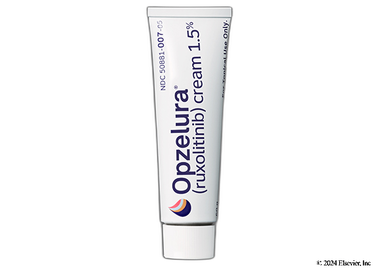
Opzelura (ruxolitinib) is a topical Janus kinase (JAK) inhibitor. It's a non-steroid cream used to treat atopic dermatitis (eczema) in people 2 years and older. It can also treat nonsegmental vitiligo (a condition that causes patches of skin to lose color) in people 12 years and up. Opzelura (ruxolitinib) is applied onto the affected skin twice a day. Common side effects of Opzelura (ruxolitinib) include acne, itching, redness, and cold symptoms.

Opzelura (ruxolitinib) is a Janus kinase (JAK) inhibitor. It works by blocking proteins called Janus kinases (JAK). These proteins play a role in causing inflammation and other autoimmune problems.
By blocking JAK1 and JAK2, Opzelura (ruxolitinib) helps calm down your immune system. For eczema, this helps reduce skin inflammation, such as redness, swelling, and itching. For nonsegmental vitiligo, it helps stop your immune system from attacking the skin cells that give your skin its color.
| Common Brands | Opzelura |
|---|---|
| Drug Class | JAK inhibitor |
| Controlled Substance Classification | Not a controlled medication |
| Generic Status | No lower-cost generic available |
| Availability | Prescription only |

The following side effects may get better over time as your body gets used to the medication. Let your healthcare provider know immediately if you continue to experience these symptoms or if they worsen over time.
Atopic dermatitis (eczema)
Ages 12 years and older:
Ages 2 to under 12 years:
Nonsegmental vitiligo
Ages 12 years and older:
Contact your healthcare provider immediately if you experience any of the following.
Side effects that you should report to your care team as soon as possible:
Side effects that usually do not require medical attention (report these to your care team if they continue or are bothersome):




Opzelura (ruxolitinib) can cause some serious health issues. This risk may be even higher for certain groups. If this worries you, talk to your doctor or pharmacist about other options.
 People who took oral JAK inhibitors have had serious infections caused by bacteria, fungi, or viruses. Sometimes, these infections can be life-threatening.
It's not clear if Opzelura (ruxolitinib) carries the exact same risk. But some people using Opzelura (ruxolitinib) have had serious lung infections or shingles.
Before starting Opzelura (ruxolitinib), tell your prescriber about your medical history. This includes serious infections you currently have or have had. Opzelura (ruxolitinib) isn't recommended if you have an active infection. It also isn't recommended for people with hepatitis B or hepatitis C. Your prescriber can help make sure the medication is safe for you.
While using Opzelura (ruxolitinib), watch for signs of infection. This includes a fever, chills, body aches, cough, or night sweats. If you notice these symptoms, contact your care team so they can give you the care you need.
In a study, older adults with rheumatoid arthritis and at least one heart-related risk factor who took oral JAK inhibitors had a higher risk of death. The study also showed that there was a higher risk of heart attack or stroke as well. This was compared to treatment with medications called TNF blockers.
It's not known if Opzelura (ruxolitinib), which is used topically on the skin, has the same risk. Talk to your prescriber about the risks and benefits of using Opzelura (ruxolitinib).
Call 911 right away if you notice signs of a heart attack. This can include chest pain, pressure, tightness, or heaviness. Other signs are pain in your throat, neck, or jaw; shortness of breath; a cold sweat; or nausea.
Also get medical help as soon as you can for signs of a stroke. This includes weakness on one side of your body, a drooping face, slurred speech, or trouble walking.
Some people who took oral JAK inhibitors have developed cancer during treatment. These cancers included lymphoma and non-melanoma skin cancer.
It's not known if Opzelura (ruxolitinib) has the same risk of cancer. But there have been reports of non-melanoma skin cancer with the medication. To be safe, tell your prescriber about your full medical history, especially if you've had cancer or have smoked. They can talk with you about this risk.
To lower your risk of skin cancer while using Opzelura (ruxolitinib), get regular skin checks as recommended by your prescriber. Wear protective clothing and use sunscreen if you're out in the sun. Also, avoid tanning beds and other sources of ultraviolet (UV) light. Let your prescriber know if you notice any new or unusual changes to your skin.
Blood clots have happened in clinical studies with Opzelura (ruxolitinib). Blood clots can form in different parts of the body and block blood flow. This can sometimes be serious and life-threatening.
Tell your prescriber about your medical history so they can check your risk of blood clots. If you're at higher risk, you should avoid using Opzelura (ruxolitinib).
Be aware of the signs and symptoms of a blood clot.
If any of these symptoms happen, get medical help right away. You'll likely need to stop using Opzelura (ruxolitinib).
In studies, some people developed low blood cell counts while using Opzelura (ruxolitinib). This includes low red blood cells, which can put you at risk of feeling very tired and anemia. It can also include low platelets, which can make bleeding or bruising easier. And, it could mean low white blood cells, which can make it more likely for you to get sick.
Watch for possible symptoms of low blood cell counts, such as:
If you have any of these symptoms, let your care team know. Your prescriber will likely order blood draws to check your blood cell counts. If they're very low, you might need to stop using Opzelura (ruxolitinib).
The tablet form of ruxolitinib, called Jakafi, can raise cholesterol. It's not known if Opzelura (ruxolitinib) has the same effect.
Tell your prescriber if you already have high cholesterol or take cholesterol medications. They can decide if you need to check your cholesterol levels more often while you're using Opzelura (ruxolitinib).

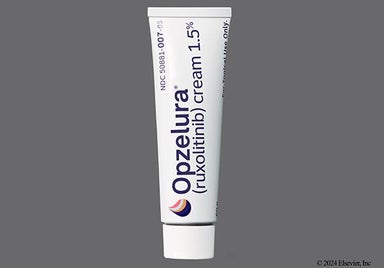
 Tube of cream
| Dosage | Quantity | Price as low as | Price per unit |
|---|---|---|---|
| 60g of 1.5% | 1 tube | $0.00 | $0.00 |
| 100g of 1.5% | 1 tube | $0.00 | $0.00 |
Eczema: Apply a thin layer of cream to the affected area(s) twice a day. Don't apply to more than 20% of your body surface area.
Vitiligo: Apply a thin layer of cream to the affected area(s) twice a day. Don't apply to more than 10% of your body surface area. Don't use more than one 60-gram tube of Opzelura (ruxolitinib) every week, or one 100-gram tube every 2 weeks.







Prescription savings
Stop paying too much for your prescriptions. Compare prices, get pharmacy coupons, and save up to 80%.Resources
About GoodRx
 Find expert answers to your health questions so you can make the best decisions for yourself and your family.
Health conditions
Medications & treatment
Access & affordability
Well-being
Medication discounts

For atopic dermatitis (eczema), some people notice less itching and healthier-looking skin within 2 weeks of starting Opzelura. But it can take up to 2 months of regular use to see much clearer skin and much less itching. For nonsegmental vitiligo, Opzelura usually works more slowly. It can take a few months to start seeing a change in your skin and 6 months or longer to see results you're happy with. Keep using Opzelura twice a day as prescribed, even if you don't see results right away. Talk to your prescriber if you have questions about how long it's taking Opzelura to work for you.
No, Opzelura isn't a steroid. It's a JAK inhibitor. Both steroids and JAK inhibitors like Opzelura that are used on the skin can help reduce skin inflammation. But they work in different ways. This makes Opzelura a non-steroid option for eczema and vitiligo. Unlike topical steroids, Opzelura isn't known to cause skin thinning.
No, Opzelura isn't considered a biologic. This is because biologics are medications made from living sources, like cells. But Opzelura is a medication that's made from chemicals.
Yes, you can use Opzelura on your eyelids if they're affected by eczema or vitiligo. But be careful not to get the cream in your eyes. If it gets into your eyes, rinse them well with water.
No. Opzelura is not approved to treat alopecia areata. There are studies showing that Opzelura might not work that well for this condition. But some other JAK inhibitors, like Litfulo (ritlecitinib) are approved for alopecia areata. If you're looking for treatment options for alopecia areata, talk to a dermatologist.
There's a rare but possible risk of cancer with Opzelura. In studies, some people using the medication developed skin cancer. This could be more likely than other types of cancer since the medication is applied onto the skin. To help prevent skin cancer, wear protective clothing and use sunscreen when you go outside to help prevent skin cancer. Your prescriber will also examine your skin closely to look for signs of skin cancer. Watch for any new or unusual changes in your skin. If there's a chance you might have skin cancer, your prescriber might have you stop using Opzelura. Talk to your prescriber if you're concerned about this risk.
No. Opzelura is only available with a prescription from a healthcare professional.
Opzelura is made by the pharmaceutical company, Incyte.