




The Best Ear Infection Treatments: Antibiotics and OTC Medications
Many ear infections resolve on their own, but sometimes you’ll need medication. See the best ear infection treatments, including antibiotics and home remedies.
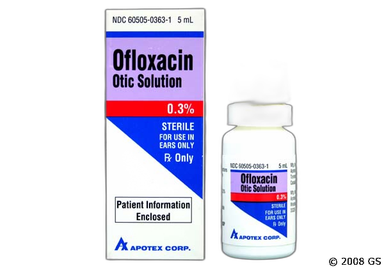
Ofloxacin is a fluoroquinolone antibiotic. Ofloxacin tablets are used to treat several types of bacterial infections in adults. These include skin infections, pneumonia, gonorrhea, and serious urinary tract infections (UTIs). The tablets are taken by mouth, usually twice a day. But how often and how long you take the antibiotic can depend on the infection and how serious it is. Nausea and trouble sleeping are possible side effects.

Ofloxacin is a fluoroquinolone (or "quinolone") antibiotic. It works by blocking proteins that bacteria need to grow and repair their genetic material. This kills the bacteria causing the infection.
| Common Brands | Floxin |
|---|---|
| Drug Class | Fluoroquinolone antibiotic |
| Controlled Substance Classification | Not a controlled medication |
| Generic Status | Lower-cost generic available |
| Availability | Prescription only |

The following side effects may get better over time as your body gets used to the medication. Let your healthcare provider know immediately if you continue to experience these symptoms or if they worsen over time.
Contact your healthcare provider immediately if you experience any of the following.
Along with its needed effects, a medicine may cause some unwanted effects. Although not all of these side effects may occur, if they do occur they may need medical attention.
Check with your doctor immediately if any of the following side effects occur:
Rare
Puffiness or swelling of eyes
signs of an allergic reaction, such as hives, itching, rash, swelling of face or lips, tightness in chest, troubled breathing, or wheezing
Check with your doctor as soon as possible if any of the following side effects occur:
Rare
Dizziness
Some side effects may occur that usually do not need medical attention. These side effects may go away during treatment as your body adjusts to the medicine. Also, your health care professional may be able to tell you about ways to prevent or reduce some of these side effects. Check with your health care professional if any of the following side effects continue or are bothersome or if you have any questions about them:
More common
Burning of eye
Other side effects not listed may also occur in some patients. If you notice any other effects, check with your healthcare professional.
Call your doctor for medical advice about side effects. You may report side effects to the FDA at 1-800-FDA-1088.


Ofloxacin can cause some serious health issues. This risk may be even higher for certain groups. If this worries you, talk to your doctor or pharmacist about other options.
 Fluoroquinolone antibiotics like ofloxacin can raise the risk of swelling in your tendons (tendonitis). They can also raise the risk of tears in your tendons. Tendon problems most often happen to the Achilles tendon above your heel, but other tendons can also be affected. Tendon problems can start within hours or days of taking ofloxacin. They can also happen several months after you stop treatment.
Tendon problems can happen at any age, but the risk is higher if you're over 60 years old. It's also higher for people with a kidney, heart, or lung transplant and those taking steroids. Be sure to tell your prescriber if you've had tendon problems in the past so they can check your risk.
Stop taking ofloxacin and rest the affected area if you have tendon pain or swelling. Call your care team right away.
Fluoroquinolone antibiotics like ofloxacin can raise the risk of peripheral neuropathy. This nerve damage can cause pain, burning, tingling, numbness, or weakness in your arms or legs. It can also change how you feel touch or temperature. These problems can start soon after treatment begins (within hours to weeks). They might not go away in some people.
Before starting ofloxacin, tell your prescriber if you've had nerve problems before. You might need a different type of antibiotic.
If you develop signs of nerve damage during treatment, stop taking ofloxacin and tell your care team right away.
Fluoroquinolone antibiotics like ofloxacin can raise the risk of serious effects on your brain and nervous system. These can include seizures, dizziness, or tremors. It's happened within hours of weeks of starting treatment. Tell your prescriber if you have a brain or nervous system condition, such as epilepsy. They can check if ofloxacin is safe for you. Stop taking ofloxacin and get medical help right away if you have a seizure.
Ofloxacin can also raise the risk of having changes in your mood, thoughts, or behavior. This can sometimes happen within hours to weeks after starting the medication. Examples include anxiety, confusion, hallucinations, trouble sleeping, depression, or thoughts of suicide. Stop taking ofloxacin and get medical help right away if you notice any unusual changes in your mood, thoughts, or behavior.
If you have myasthenia gravis, ofloxacin can make muscle weakness worse. Rarely, this can be serious and affect the muscles you use to breathe, causing trouble breathing. Tell your prescriber if you have myasthenia gravis. They'll likely choose a different type of antibiotic for you.
It's possible for antibiotics like ofloxacin to cause a serious allergic reaction, including anaphylaxis. Signs can include hives, swelling of the face, lips, or tongue, trouble breathing, or passing out. Get medical help right away if you have any of these symptoms.
Ofloxacin can also cause rare but serious skin reactions. One example is Stevens-Johnson syndrome (SJS). Stop taking ofloxacin and get medical help right away if you develop a rash, blisters, peeling skin, or fever.
Rarely, people taking ofloxacin have had serious liver problems, including liver failure. Severe cases have happened within 6 to 14 days after starting treatment.
Get medical help right away if you have stomach pain or swelling, yellow skin or eyes, dark urine, or black, tarry, or bloody stools. These could be signs of liver problems. Your care team might have you stop ofloxacin to prevent more liver damage.
Rarely, people taking fluoroquinolone antibiotics like ofloxacin have had serious reactions in different parts of the body. These can affect your kidneys, lungs, joints, or blood cells. Reactions can happen after taking several doses of the medication. Some can be severe or life-threatening.
Stop taking ofloxacin and tell your care team right away if you have new or unusual symptoms. These can include fever, unusual bleeding or bruising, trouble breathing, or new muscle or joint pain.
Antibiotics, such as ofloxacin, can change the normal bacteria in your gut. This can let harmful bacteria called Clostridioides difficile (C. diff) grow too much and cause a serious infection. This infection can lead to severe diarrhea, even up to 2 months after you stop the antibiotic.
It's important to know the difference between mild diarrhea from ofloxacin and serious diarrhea from C. diff. Signs of a C. diff infection include fever, nausea, severe or watery diarrhea, foul-smelling diarrhea, frequent bowel movements, or bloody stool. Get medical help right away if you have any signs of this infectious diarrhea. This can be a medical emergency and should get treated as soon as possible.
Studies have found a higher risk of a bulge or tear in the aorta within 2 months after taking antibiotics like ofloxacin. The aorta is the largest blood vessel in your body. This problem is rare but can be life-threatening. The risk might be higher in older adults, but it's not clear why it could happen.
Tell your prescriber if you've had an aortic aneurysm or other problems with your aorta. Because of this risk, your prescriber might choose a different antibiotic for you.
Call 911 or get medical help right away if you have sudden, severe pain in your chest, back, or stomach that doesn't go away. This can be a sign of a serious problem with your aorta.
It's rare, but ofloxacin can cause a serious heart rhythm problem called QT prolongation. This happens when your heart takes longer than usual to reset between beats.
Before starting ofloxacin, tell your prescriber about your health conditions and medications. Your risk can be higher if you have certain heart rhythm problems or abnormal electrolyte levels. It can also be higher if you take other medications that can cause QT prolongation, such as amiodarone (Pacerone). Your prescriber can check if ofloxacin is safe for you.
Call 911 right away if you have a pounding or irregular heartbeat, chest pain, trouble breathing, or severe dizziness. These can be signs of a serious heart rhythm problem.
Ofloxacin can cause changes in your blood sugar. It can make your blood sugar too low or too high. The risk can be higher if you have diabetes and take diabetes medications. Tell your prescriber if you have diabetes. You might need to check your blood sugar more often while taking ofloxacin.
Watch for symptoms of low blood sugar. These can include feeling shaky, confused, nervous, or very hungry. You also might have a fast heartbeat, sweating, or chills. If this happens, stop taking ofloxacin and get medical help right away. Low blood sugar should be treated right away.
Ofloxacin makes your skin more sensitive to the sun and ultraviolet (UV) light. This means you can get sunburns more easily than usual. It might cause redness, burning, swelling, or blisters on skin exposed to the sun or UV light.
To lower your risk, protect your skin from the sun. Wear sunscreen and clothing that covers your skin when you're outside, even during the winter or on cloudy days. Also, avoid tanning beds and try not to spend too much time in direct sunlight.

 Tablet
| Dosage | Quantity | Price as low as | Price per unit |
|---|---|---|---|
| 400mg | 14 tablets | $97.60 | $6.97 |
| 200mg | 30 tablets | $107.20 | $3.57 |
| 300mg | 14 tablets | $51.76 | $3.70 |
Your ofloxacin dose and how long you take it depend on the type of infection you have and how serious it is. Your prescriber will choose the right dose and treatment length for you.
Pneumonia: The typical dose is 400 mg by mouth every 12 hours for 10 days.
Chronic bronchitis flare-up: The typical dose is 400 mg by mouth every 12 hours for 10 days.
Skin infections: The typical dose is 400 mg by mouth every 12 hours for 10 days.
Uncomplicated gonorrhea: The typical dose is 400 mg by mouth once as a single dose.
Chlamydia: The typical dose is 300 mg by mouth every 12 hours for 7 days.
Pelvic inflammatory disease: The typical dose is 400 mg by mouth every 12 hours for 10 to 14 days.
Bladder infection: The typical dose is 200 mg by mouth every 12 hours for 3 or 7 days. How long you take it depends on the bacteria causing your infection.
Complicated urinary tract infections: The typical dose is 200 mg by mouth every 12 hours for 10 days.
Long-term prostate infections: The typical dose is 300 mg by mouth every 12 hours for 6 weeks.
If you have kidney problems, your prescriber might lower your dose or have you take ofloxacin less often.

Although certain medicines should not be used together at all, in other cases two different medicines may be used together even if an interaction might occur. In these cases, your doctor may want to change the dose, or other precautions may be necessary. When you are taking this medicine, it is especially important that your healthcare professional know if you are taking any of the medicines listed below. The following interactions have been selected on the basis of their potential significance and are not necessarily all-inclusive.
Using this medicine with any of the following medicines is not recommended. Your doctor may decide not to treat you with this medication or change some of the other medicines you take.
Using this medicine with any of the following medicines is usually not recommended, but may be required in some cases. If both medicines are prescribed together, your doctor may change the dose or how often you use one or both of the medicines.
Using this medicine with any of the following medicines may cause an increased risk of certain side effects, but using both drugs may be the best treatment for you. If both medicines are prescribed together, your doctor may change the dose or how often you use one or both of the medicines.


Contraindications are specific health conditions or situations in which a person should not take a medication due to safety concerns. If you have any of the following conditions or if any of the following apply to you, let your healthcare provider know because Ofloxacin will not be safe for you to take.




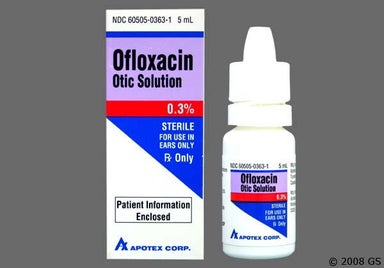
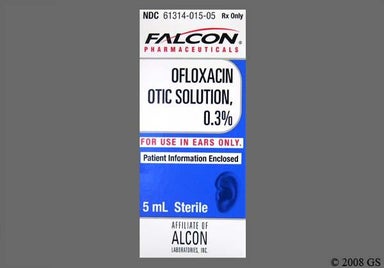
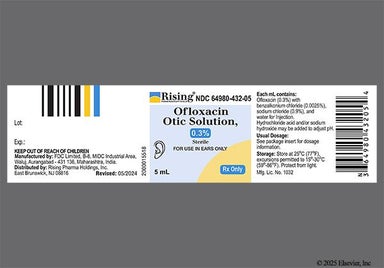
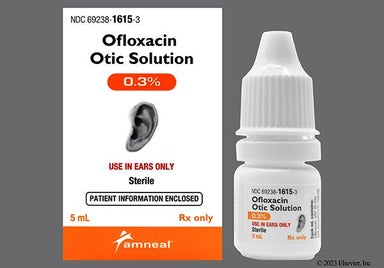
Prescription savings
Stop paying too much for your prescriptions. Compare prices, get pharmacy coupons, and save up to 80%. Find expert answers to your health questions so you can make the best decisions for yourself and your family.
Health conditions
Medications & treatment
Access & affordability
Medication discounts


You might start to feel better within 1 to 3 days after you begin taking Ofloxacin. But how quickly you improve can depend on the infection and how serious it is. Be sure to finish your full treatment course as prescribed, even if you start feeling better. This helps make sure Ofloxacin can fully fight the infection. Tell your care team if your symptoms get worse while taking Ofloxacin. The antibiotic might not work against the bacteria causing your infection. Or, your infection might be caused by a virus or fungus that needs a different treatment.
For most infections, Ofloxacin tablets are taken by mouth every 12 hours, or twice a day. There are some exceptions. For certain gonorrhea infections, only one dose is needed. Also, people with kidney problems might take Ofloxacin tablets every 24 hours, or once a day. Follow your prescription for how often to take Ofloxacin. Ask your prescriber or pharmacist if you're not sure.
No, Ofloxacin isn't a penicillin. It's a different type of antibiotic known as a fluoroquinolone. It works differently than penicillins. Having a penicillin allergy usually doesn't mean you'll also be allergic to Ofloxacin.
Ofloxacin tablets aren't usually used to treat pink eye. But ofloxacin eye drops (Ocuflox) can treat pink eye caused by bacteria.
It's a good idea to avoid alcohol while taking Ofloxacin tablets. Alcohol can make side effects like nausea, dizziness, or diarrhea worse. It can also make it harder for your body to recover from an infection. Ask your prescriber or pharmacist if you have questions about alcohol and antibiotic treatment.
Ofloxacin tablets and ciprofloxacin tablets (Cipro) are both fluoroquinolone antibiotics. They treat some of the same infections. But each also has different approved uses. For example, Ofloxacin tablets can treat certain sexually transmitted infections (STIs). Ciprofloxacin tablets can treat certain bone, joint, and stomach infections. Ofloxacin tablets are only approved for adults. Ciprofloxacin is mainly used in adults as well. But it's also approved for children with a few specific infections. Your prescriber will choose an antibiotic based on your infection, age, and other health factors.
Levofloxacin tablets and Ofloxacin tablets aren't usually taken together. They're both fluoroquinolone antibiotics. Taking both doesn't usually help treat an infection better. In fact, it can raise your risk of side effects. Don't take them together unless your prescriber specifically tells you to.
