



What Is Serotonin Syndrome? What You Need to Know If You Take SSRIs
Serotonin syndrome is a reaction to commonly prescribed medications and supplements. Learn what serotonin syndrome is, what causes it, and how to treat it.
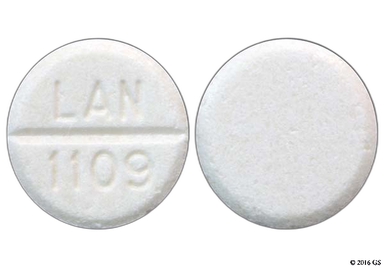
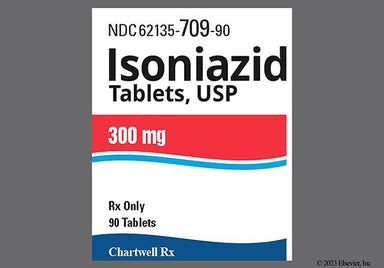
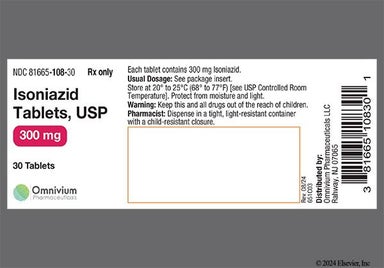
Isoniazid is an antimycobacterial agent for treating and preventing tuberculosis (TB) in children and adults. It's available as a generic oral tablet and solution, usually taken daily or a few times a week, depending on your dose. For treating active TB, you'll likely need to take it along with other TB medications (like rifampin, pyrazinamide, and ethambutol) to prevent antibiotic resistance. Serious side effects include severe liver injury. It's also known to interact with many foods and medications.

Isoniazid is an antimycobacterial agent. It kills the bacteria that cause tuberculosis (TB) by stopping them from making their own protective covering.
| Common Brands | Nydrazid |
|---|---|
| Drug Class | Antimycobacterial agent |
| Controlled Substance Classification | Not a controlled medication |
| Generic Status | Lower-cost generic available |
| Availability | Prescription only |

The following side effects may get better over time as your body gets used to the medication. Let your healthcare provider know immediately if you continue to experience these symptoms or if they worsen over time.
Contact your healthcare provider immediately if you experience any of the following.
Along with its needed effects, a medicine may cause some unwanted effects. Although not all of these side effects may occur, if they do occur they may need medical attention.
Check with your doctor immediately if any of the following side effects occur:
More common
Clumsiness or unsteadiness
dark urine
loss of appetite
nausea or vomiting
numbness, tingling, burning, or pain in hands and feet
unusual tiredness or weakness
yellow eyes or skin
Rare
Blurred vision or loss of vision, with or without eye pain
convulsions (seizures)
fever and sore throat
joint pain
mental depression
mood or other mental changes
skin rash
unusual bleeding or bruising
Some side effects may occur that usually do not need medical attention. These side effects may go away during treatment as your body adjusts to the medicine. Also, your health care professional may be able to tell you about ways to prevent or reduce some of these side effects. Check with your health care professional if any of the following side effects continue or are bothersome or if you have any questions about them:
For injection form
Irritation at the place of injection
Dark urine and yellowing of the eyes or skin (signs of liver problems) are more likely to occur in patients over 50 years of age.
Other side effects not listed may also occur in some patients. If you notice any other effects, check with your healthcare professional.
Call your doctor for medical advice about side effects. You may report side effects to the FDA at 1-800-FDA-1088.




Isoniazid can cause some serious health issues. This risk may be even higher for certain groups. If this worries you, talk to your doctor or pharmacist about other options.
 Isoniazid can cause serious, life-threatening liver damage called hepatitis. This usually happens during the first 3 months of treatment, but can anytime as well. The risk tends to go up if you're age 35 or older, drink alcohol regularly, are a Black or Hispanic woman, or have recently given birth. Your prescriber will order regular blood tests to monitor the health of your liver while you are taking isoniazid. Let them know right away if you experience a loss of appetite, nausea or vomiting, dark urine, yellowing of the eyes or skin, rash, tingling of the hands and feet, weakness, fever for more than 3 days, or right-sided abdominal (belly) pain that doesn't go away.
Isoniazid interacts with many foods and medications, so it's important to ask your prescriber what's safe. You'll want to specifically avoid foods that contain tyramine (like cheese or red wine) or histamine (like tuna and skipjack), since combining them with isoniazid can cause side effects like headache, sweating, fast heart rate, flushing, and low blood pressure. In fact, it's best to take this medication on an empty stomach.
Isoniazid can raise the levels of some other medications in the body, like acetaminophen (Tylenol) and some seizure medications like carbamazepine (Tegretol) and phenytoin (Dilantin). This could lead to some dangerous side effects. Be sure your prescriber and pharmacist know everything you’re taking, including over-the-counter medications and supplements.

 Ml of oral solution
| Dosage | Quantity | Price as low as | Price per unit |
|---|---|---|---|
| 50mg/5ml | 473 ml | $112.01 | $0.24 |

Although certain medicines should not be used together at all, in other cases two different medicines may be used together even if an interaction might occur. In these cases, your doctor may want to change the dose, or other precautions may be necessary. When you are taking this medicine, it is especially important that your healthcare professional know if you are taking any of the medicines listed below. The following interactions have been selected on the basis of their potential significance and are not necessarily all-inclusive.
Using this medicine with any of the following medicines is usually not recommended, but may be required in some cases. If both medicines are prescribed together, your doctor may change the dose or how often you use one or both of the medicines.
Using this medicine with any of the following medicines may cause an increased risk of certain side effects, but using both drugs may be the best treatment for you. If both medicines are prescribed together, your doctor may change the dose or how often you use one or both of the medicines.


Contraindications are specific health conditions or situations in which a person should not take a medication due to safety concerns. If you have any of the following conditions or if any of the following apply to you, let your healthcare provider know because Isoniazid will not be safe for you to take.









Prescription savings
Stop paying too much for your prescriptions. Compare prices, get pharmacy coupons, and save up to 80%.Resources
About GoodRx
 Find expert answers to your health questions so you can make the best decisions for yourself and your family.
Health conditions
Medications & treatment
Access & affordability
Well-being
Medication discounts

Once you take a dose of Isoniazid by mouth, about half of the medication remains in your system after about 6 hours. After 24 hours, about 50 to 70% of the medication gets removed from the body through your urine. But this time frame can vary based on how quickly your body processes the medication, potentially affecting certain ethnicities more.
Don't stop taking Isoniazid earlier than prescribed. Doing so can make the tuberculosis (TB) bacteria harder to treat by causing antibiotic resistance.
Yes, Isoniazid can cause liver damage, including life-threatening hepatitis. Adults over 35 years old, people who drink alcohol regularly, Black and Hispanic women, and those who just gave birth are at higher risk of this liver damage. Your prescriber will order regular blood tests to check your liver health while you're taking Isoniazid. Get medical help right away if you experience a loss of appetite, nausea or vomiting, dark urine, yellowing of the eyes or skin, rash, tingling of the hands and feet, weakness, fever for more than 3 days, or right-sided stomach pain that doesn't go away.
Isoniazid can lower the amount of vitamin B6 (pyridoxine) in your body, which can cause tingling or numbness in your hands and feet (peripheral neuropathy). To reduce this risk, your prescriber might suggest taking a vitamin B6 supplement with Isoniazid.
You should avoid drinking alcohol with Isoniazid. Drinking alcohol regularly with Isoniazid can raise your risk for hepatitis. It's also known to raise your risk for peripheral neuropathy. If you need assistance or resources to help you drink less while taking this medication, speak with your healthcare team.
Avoid foods containing tyramine or histamine while taking Isoniazid. Eating foods high in tyramine (like aged cheese, red wine, and cured meats) or histamine (like fermented cheese, meats, and fish) can cause side effects such as headaches, sweating, and heart palpitations. These happen because Isoniazid prevents your body from breaking down tyramine and histamine, causing them to build up. To prevent this, it's best to take Isoniazid on an empty stomach.
Yes, Isoniazid can be used for latent TB, which is when the TB in your body isn't causing an infection. For latent TB, you can expect to take Isoniazid for at least 3 months. If you need this medication to treat active TB, you'll likely need a longer treatment course.
In clinical studies, weight gain wasn't a reported side effect of Isoniazid. Speak with your prescriber if you have questions about weight gain and this medication.
