



Parkinson’s Disease Treatments: Medication, Therapy, and More
Treatment for Parkinson’s disease aims to lower symptoms and keep strength and functionality. It involves medications, physical therapy, and mental health support.
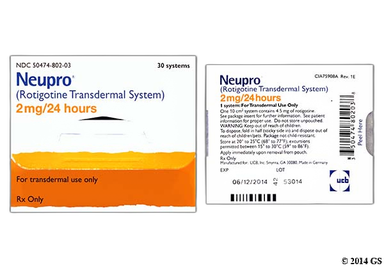
Neupro (rotigotine) is a dopamine agonist used to treat adults with Parkinson's disease (PD) and restless legs syndrome (RLS). It helps manage symptoms such as tremors, stiffness, and uncontrollable leg movements. The medication comes as a patch that you apply to your skin once a day. Neupro (rotigotine) is only available as a brand-name medication, with no generic version. Common side effects include nausea, vomiting, and sleepiness.

Neupro (rotigotine) is a dopamine agonist. It's not completely known how it works. But it's thought to turn on dopamine receptors in the brain to help improve movement problems such as tremors, stiffness, and uncontrollable leg movements.
| Common Brands | Neupro |
|---|---|
| Drug Class | Dopamine agonist |
| Controlled Substance Classification | Not a controlled medication |
| Generic Status | No lower-cost generic available |
| Availability | Prescription only |

The following side effects may get better over time as your body gets used to the medication. Let your healthcare provider know immediately if you continue to experience these symptoms or if they worsen over time.
Parkinson's disease
Restless leg syndrome
Parkinson's disease
Restless leg syndrome
Contact your healthcare provider immediately if you experience any of the following.
Along with its needed effects, a medicine may cause some unwanted effects. Although not all of these side effects may occur, if they do occur they may need medical attention.
Check with your doctor immediately if any of the following side effects occur:
More common
Burning, itching, redness, skin rash, swelling, or soreness at the application site
swelling of the hands, ankles, feet, or lower legs
Less common
Bladder pain
bloody or cloudy urine
blurred vision or other changes in vision
difficult, burning, or painful urination
dizziness
frequent urge to urinate
headache
lower back or side pain
nervousness
pounding in the ears
seeing, hearing, or feeling things that are not there
slow or fast heartbeat
Get emergency help immediately if any of the following symptoms of overdose occur:
Symptoms of overdose
Confusion
convulsions
dizziness, faintness, or lightheadedness when getting up suddenly from a lying or sitting position
sweating
unusual tiredness or weakness
vomiting
Some side effects may occur that usually do not need medical attention. These side effects may go away during treatment as your body adjusts to the medicine. Also, your health care professional may be able to tell you about ways to prevent or reduce some of these side effects. Check with your health care professional if any of the following side effects continue or are bothersome or if you have any questions about them:
More common
Sleepiness or unusual drowsiness
Less common
Acid or sour stomach
belching
difficulty having a bowel movement (stool)
difficulty with moving
dreaming abnormal
feeling of constant movement of self or surroundings
indigestion
loss of appetite
muscle pain or stiffness
pain in the joints
sensation of spinning
stomach discomfort, upset, or pain
trouble sleeping
unable to sleep
Other side effects not listed may also occur in some patients. If you notice any other effects, check with your healthcare professional.
Call your doctor for medical advice about side effects. You may report side effects to the FDA at 1-800-FDA-1088.



How to use Neupro (rotigotine):

Neupro (rotigotine) can cause some serious health issues. This risk may be even higher for certain groups. If this worries you, talk to your doctor or pharmacist about other options.
Neupro (rotigotine) contains a type of sulfite that can cause allergic reactions, including serious symptoms like anaphylaxis or asthma attacks, in some people. Talk to your prescriber if you’ve had an allergic reaction before. Remember, a sulfite allergy isn't the same as a sulfa allergy.
Neupro (rotigotine) can make you very sleepy, and you might even fall asleep suddenly during daily activities. These sleep episodes can happen without warning, even if you think you're alert, and have been reported up to a year after starting the medication. Your risk is higher if you're also taking other medications that cause sleepiness, such as benzodiazepines, muscle relaxants, or sleep medications.
To avoid accidents, make sure you know how Neupro (rotigotine) affects you before driving or doing activities that need focus. Talk to your prescriber if you feel too sleepy or have fallen asleep suddenly while taking this medication.
Some people taking Neupro (rotigotine) had hallucinations (seeing or hearing things that aren't there), especially those with advanced Parkinson's disease. Others also felt distressed, confused, paranoid or showed aggressive behavior. People with a history of mental health problems are generally not recommended to take Neupro (rotigotine) because it might worsen their condition. These changes can happen after starting the medication or adjusting the dose. Contact your prescriber right away if you or your loved ones notice hallucinations or any changes in behavior while you're taking Neupro (rotigotine).
Neupro (rotigotine) can cause low blood pressure when you move from lying down to standing up (orthostatic hypotension). This might make you feel dizzy, lightheaded, or even faint. These drops in blood pressure are more likely when you're starting a higher dose and can happen when lying down, standing, or changing positions. Let your care team know if you feel dizzy, lightheaded, or faint, especially when standing up. To avoid falls, get up slowly and avoid sudden movements.
Neupro (rotigotine) can cause strong, uncontrollable urges, like gambling, spending money, binge eating, or engaging in sexual activity. Let your prescriber know if you or your loved ones notice new or unusual behaviors when you're taking Neupro (rotigotine). They might recommend lowering your dose or stopping the medication altogether.
Neupro (rotigotine) can raise your blood pressure while lying down or standing, particularly when starting a higher dose. Some people also experienced a faster heart rate with this medication. Let your care team know if you notice symptoms like dizziness, headaches, or a racing heart, especially if you have a history of heart problems.
Neupro (rotigotine) can cause weight gain and fluid build-up (edema), which are more likely at higher doses. This is especially important for people with heart failure or kidney problems. Let your care team know if you notice swelling, sudden weight changes, or discomfort while taking this medication.
Neupro (rotigotine) can cause or worsen uncontrolled body movements, like eye-twitching, lip-smacking, or feet-tapping. The risk is higher if you're also taking other Parkinson's medications with levodopa, such as Sinemet or Rytary. Talk to your prescriber right away if you experience uncontrolled movements that you can't stop.
Neupro (rotigotine) often causes application site reactions, such as redness, swelling, or itching at the patch area. To reduce the chance of a reaction, use a different area of your body each day and avoid applying the patch to the same spot more than once every 2 weeks. Contact your prescriber if a reaction lasts more than a few days, gets worse, or spreads beyond the patch area. If you develop a widespread skin reaction, your prescriber might recommend stopping the medication.
Neupro (rotigotine) can worsen your restless leg syndrome (RLS) symptoms. This could mean your symptoms become more intense or start earlier in the day than before treatment. Symptoms might also worsen as the medication wears off at the end of its dose. Contact your prescriber if you notice any changes or worsening of your symptoms while taking this medication.
Although rare, stopping or lowering your dose of Parkinson's disease medications like Neupro (rotigotine) too quickly can cause side effects similar to neuroleptic malignant syndrome (NMS), a serious and life-threatening condition. Symptoms of NMS include very high fevers, irregular heartbeat, sweating, muscle stiffness, confusion, and changes in blood pressure. It’s important to treat NMS as soon as possible. Don’t stop taking Neupro (rotigotine) or change your dose without talking to your prescriber since they can help you do it safely.
Some people have reported symptoms like anxiety, depression, fatigue, trouble sleeping, sweating, and pain during or after stopping Neupro (rotigotine). If severe withdrawal symptoms occur, your prescriber might suggest restarting a dopamine agonist at the lowest dose to help manage the symptoms.


Although certain medicines should not be used together at all, in other cases two different medicines may be used together even if an interaction might occur. In these cases, your doctor may want to change the dose, or other precautions may be necessary. When you are taking this medicine, it is especially important that your healthcare professional know if you are taking any of the medicines listed below. The following interactions have been selected on the basis of their potential significance and are not necessarily all-inclusive.
Using this medicine with any of the following medicines is not recommended. Your doctor may decide not to treat you with this medication or change some of the other medicines you take.
Using this medicine with any of the following medicines is usually not recommended, but may be required in some cases. If both medicines are prescribed together, your doctor may change the dose or how often you use one or both of the medicines.





Prescription savings
Stop paying too much for your prescriptions. Compare prices, get pharmacy coupons, and save up to 80%. Find expert answers to your health questions so you can make the best decisions for yourself and your family.
Health conditions
Medications & treatment
Access & affordability
 Our monthly healthcare membership can help you save thousands on your prescription costs.
Resources

No, Neupro isn't a controlled substance because it doesn't have a risk of dependence or addiction.
No. Don't cut Neupro into smaller pieces. Cutting the patches could change how the medication is absorbed into your body, which could affect how well it works. If you're having problems with your dose, let your prescriber know. They can adjust your dose or recommend other treatments. Always use the patch exactly as directed and only wear one patch at a time.
You might start noticing improvement in your symptoms during the first week of treatment with Neupro. But studies show it can take several weeks for the full effects. Take the medication every day and follow up regularly with your prescriber. If you’ve been taking it for a while without improvement, talk to your prescriber.
Place the Neupro patch on clean, dry, and hairless skin. You can apply it to your stomach, thigh, hip, side, shoulder, or upper arm. Avoid placing the patch on oily, irritated, or damaged skin, and steer clear of areas where it might rub off, like under tight clothing or belts. Rotate application sites to prevent skin irritation, and don’t use the same area again within 14 days. If you’re unsure where to place the patch, ask your pharmacist or prescriber for guidance.
No, Neupro doesn't come in pill form. But there are other dopamine agonists that are available in pill form, such as pramipexole (Mirapex ER) and ropinirole. Speak to your prescriber about these other treatment options.
It's possible. Studies show that some people on the highest dose of Neupro gained more than 10% of their starting weight. This weight gain is linked to fluid build-up (edema). Your prescriber will monitor you for weight gain and fluid build-up, especially if you have other health conditions like heart failure or kidney problems. Let your care team know if you notice any swelling or sudden weight changes.
Avoid alcohol while taking Neupro, as it can make side effects like sleepiness or dizziness worse. Talk to your prescriber if you have questions about drinking alcohol while taking this medication.
No, Neupro isn't available as a generic.
