






14 Over-the-Counter (OTC) Natural Remedies for Anxiety
Natural remedies for anxiety are becoming popular as treatment options. But do they work? Here, we’ll review 14 supplements and their safety and effectiveness.
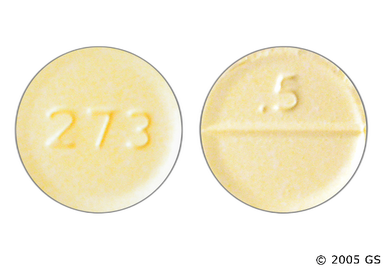
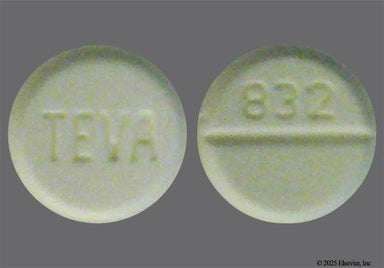
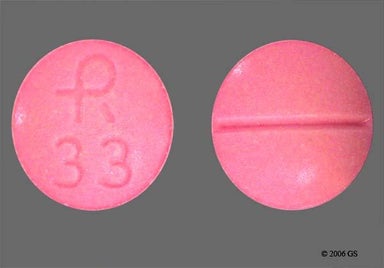
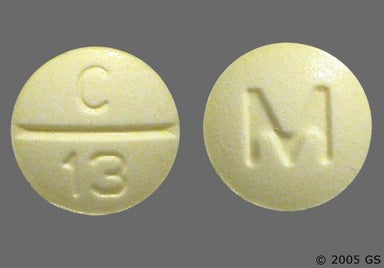
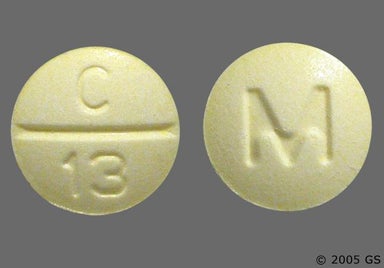
Clonazepam (Klonopin) is a benzodiazepine. It's approved to treat seizures in adults and children, and panic disorder in adults only. Clonazepam (Klonopin) is taken by mouth, typically two or three times a day. It's also available as orally disintegrating tablets (ODTs) for people who have trouble swallowing. Some common side effects of this medication include drowsiness, dizziness, and poor movement control. Before stopping clonazepam (Klonopin), speak with your prescriber to come up with a plan to lower your dose slowly over time to avoid withdrawal symptoms.

Clonazepam (Klonopin) is a benzodiazepine. Researchers think it calms the brain by reducing signaling in your brain cells. This can help treat seizures and ease symptoms of a panic attack.
| Common Brands | Klonopin |
|---|---|
| Drug Class | Benzodiazepine |
| Controlled Substance Classification | Schedule IV |
| Generic Status | Lower-cost generic available |
| Availability | Prescription only |

Clonazepam (Klonopin) can cause some serious health issues. This risk may be even higher for certain groups. If this worries you, talk to your doctor or pharmacist about other options.
 Taking clonazepam (Klonopin) with opioids or alcohol can cause severe drowsiness, difficulty breathing, coma and can even result in death. If you've already been prescribed an opioid, have a discussion with your HCP to make sure the combination with clonazepam (Klonopin) is as safe as possible. If you develop difficulty breathing, get medical attention right away.
Taking clonazepam (Klonopin) can expose you to the possible risk for misuse, and addiction to this medication. Taking clonazepam (Klonopin) more often or at a higher dose than prescribed can lead to life-threatening overdose. If you or a loved one suspects any of the above, get medical help right away.
Additionally, if you're taking clonazepam (Klonopin) for a long period of time or at a high dose, you're at risk for dependence and withdrawal. This is when your body depends on the medication to function, and can happen when you suddenly stop taking the medication. This can lead to serious problems, including seizures. Don't stop taking this medication without first talking to your prescriber. To lower your risk of dependence and overdose, take clonazepam (Klonopin) only as prescribed.
Clonazepam (Klonopin) can raise your risk for new or worsening depression and behavior changes. Watch for new or worsening signs of depression, suicidal thoughts or behavior, or any unusual changes in mood or behavior while taking this medication. Get medical care right away if you notice any of these changes.
Taking clonazepam (Klonopin) can make you feel sleepy, and affect your concentration and focus. Avoid activities that require you to be alert, like driving or operating machinery, until you know how the medication affects you.
Clonazepam (Klonopin) can cause harm to your baby if you take it while pregnant. Mothers who took this medication late in their pregnancies have given birth to babies who had trouble breathing, excessive sleepiness, and poor feeding. This condition is called neonatal abstinence syndrome, and can be dangerous for your baby. If you're planning to become pregnant or are currently pregnant, speak with your HCP about safe options to treat your panic disorder or seizures.
In some rare cases, clonazepam (Klonopin) could make your seizures worse. If you have more seizures than usual or your seizures get worse while taking this medication, call your prescriber right away.

The following side effects may get better over time as your body gets used to the medication. Let your healthcare provider know immediately if you continue to experience these symptoms or if they worsen over time.
Seizures:
Panic Disorder:
Contact your healthcare provider immediately if you experience any of the following.
Along with its needed effects, a medicine may cause some unwanted effects. Although not all of these side effects may occur, if they do occur they may need medical attention.
Check with your doctor immediately if any of the following side effects occur:
More common
Body aches or pain
chills
difficulty breathing
discouragement
dizziness
ear congestion
feeling sad or empty
headache
irritability
lack of appetite
loss of interest or pleasure
loss of voice
poor coordination
shakiness and unsteady walk
sleepiness or unusual drowsiness
tiredness
trouble concentrating
trouble sleeping
unsteadiness, trembling, or other problems with muscle control or coordination
unusual tiredness or weakness
Less common
Being forgetful
bladder pain
bloody or cloudy urine
change in speech
decrease in frequency of urination
difficulty in passing urine
difficult, burning, or painful urination
frequent urge to urinate
general feeling of discomfort or illness
joint pain
loss of appetite
lower back or side pain
mood or mental changes
muscle aches and pains
nervousness
problems in urination or increase in the amount of urine
shivering
slurred speech
sweating
trouble speaking
vomiting
Rare
Burning, crawling, itching, numbness, prickling, "pins and needles", or tingling feelings
changes in skin color
chest pain, discomfort, or tightness
cold sweats
colds
confusion
cough or hoarseness
difficulty with sleeping
dizziness, faintness, or lightheadedness when getting up suddenly from a lying or sitting position
excessive dreaming
excessive muscle tone
excitement
falling
fast, irregular, pounding, or racing heartbeat or pulse
feeling mad
feeling of unreality
flu-like symptoms
headache, severe and throbbing
lack of feeling or emotion
lack or loss of self-control
muscle stiffness
muscle tension or tightness
nightmares
pain, inflammation, or swelling in the calves, shoulders, or hands
pain or swelling in the arms or legs without any injury
pain, tenderness, or swelling of the foot or leg
partial or slight paralysis
scaling
sense of detachment from self or body
shakiness in the legs, arms, hands, or feet
skin rash
swelling around the eyes
swelling of the face, ankle, foot, or knees
thoughts of killing oneself changes in behavior
trembling or shaking of the hands or feet
uncaring
vision changes
Incidence not known
black, tarry stools
bleeding gums
blood in the urine or stools
change in consciousness
chest congestion
difficulty with coordination
double vision
drowsiness
feeling that others are watching you or controlling your behavior
feeling that others can hear your thoughts
feeling, seeing, or hearing things that are not there
hyperventilation
irregular, fast, slow, or shallow breathing
irregular, twisting uncontrolled movement of the face, hands, arms, or legs
loss of interest or pleasure
loss of memory
loss of strength or energy
loss of voice
muscle weakness
pale or blue lips, fingernails, or skin
pinpoint red spots on the skin
problems with memory
restlessness
severe mood or mental changes
sores, ulcers, or white spots on the lips or in the mouth
stomach pain or fullness
swollen glands
trouble breathing
uncontrolled eye movements
unusual behavior
unusual bleeding or bruising
unusual weakness
vivid dreams
weight loss or gain
Get emergency help immediately if any of the following symptoms of overdose occur:
Symptoms of overdose
Change in consciousness
loss of consciousness
mood or mental changes
sleepiness or unusual drowsiness
Some side effects may occur that usually do not need medical attention. These side effects may go away during treatment as your body adjusts to the medicine. Also, your health care professional may be able to tell you about ways to prevent or reduce some of these side effects. Check with your health care professional if any of the following side effects continue or are bothersome or if you have any questions about them:
Less common
Decreased interest in sexual intercourse
difficulty with swallowing
dryness or soreness of the throat
inability to have or keep an erection
longer than usual time to ejaculation of semen
loss in sexual ability, desire, drive, or performance
pain or tenderness around the eyes and cheekbones
puffiness or swelling of the eyelids or around the eyes, face, lips, or tongue
voice changes
Rare
Acid or sour stomach
ankle, knee, or great toe joint pain
belching
bleeding after defecation
blistering, burning, crusting, dryness, or flaking of the skin
bloated
blurred or loss of vision
change in color perception
cracks in the skin at the corners of the mouth
decrease or change in vision
difficulty moving
double vision
dryness of the eyes
excess air or gas in stomach or intestines
feeling of constant movement of self or surroundings
feeling of warmth
frequent bowel movements
full feeling
hair loss or thinning of the hair
halos around lights
increased watering of the mouth
indigestion
irregularities in menstruation
itching in the genital or other skin areas
itching, scaling, severe redness, soreness, or swelling of the skin
joint stiffness or swelling
leg or muscle cramps
loss of taste
night blindness
nosebleeds
overbright appearance of lights
pain in the breasts or pelvic area
pain in the leg, nape, or back
passing gas
red, sore eyes
redness of the face, neck, arms, and occasionally, upper chest
redness or swelling in the ear
sensation of spinning
smaller amount of semen ejaculated than usual
sore on the edge of the eyelid
soreness or redness around the fingernails and toenails
stomach discomfort, upset, or pain
thickening of the tongue
thirst
tooth disorder
toothache
tunnel vision
twitching of the eyes
uncomfortable swelling around the anus
worsening of acne
Incidence not known
Burning feeling in the chest or stomach
difficulty having a bowel movement (stool)
increased appetite
increased hair growth, especially on the face
increased in sexual ability, desire, drive, or performance
increased interest in sexual intercourse
sore gums
tenderness in the stomach area
Other side effects not listed may also occur in some patients. If you notice any other effects, check with your healthcare professional.
Call your doctor for medical advice about side effects. You may report side effects to the FDA at 1-800-FDA-1088.



Additional tips for clonazepam (Klonopin) orally disintegrating tablets (ODT):


GoodRx has partnered with to provide reviews on the different aspects of Clonazepam (Klonopin).
Learn more about the effectiveness of Clonazepam (Klonopin) based on real life experiences.
Based on 882 people taking this medication
3.6
3.8
3.2
4.0
4.2
3.0
Severity of side effects
Based on 2636 people taking this medication
0%
50%
100%
Drowsiness
8%
Sleepiness
6%
Fatigue
3%
Excessive daytime sleepiness (somnolence)
3%
Grogginess in morning
2%
Reasons people stopped taking Clonazepam (Klonopin)
Based on 1687 people who have taken this medication
Doctor's advice
27%
Did not seem to work
21%
Other
19%
Side effects too severe
18%
Course of treatment ended
8%
Personal research
5%
Change in health plan coverage
3%
Expense
2%

Although certain medicines should not be used together at all, in other cases two different medicines may be used together even if an interaction might occur. In these cases, your doctor may want to change the dose, or other precautions may be necessary. When you are taking this medicine, it is especially important that your healthcare professional know if you are taking any of the medicines listed below. The following interactions have been selected on the basis of their potential significance and are not necessarily all-inclusive.
Using this medicine with any of the following medicines is not recommended. Your doctor may decide not to treat you with this medication or change some of the other medicines you take.
Using this medicine with any of the following medicines is usually not recommended, but may be required in some cases. If both medicines are prescribed together, your doctor may change the dose or how often you use one or both of the medicines.
Using this medicine with any of the following medicines may cause an increased risk of certain side effects, but using both drugs may be the best treatment for you. If both medicines are prescribed together, your doctor may change the dose or how often you use one or both of the medicines.


Contraindications are specific health conditions or situations in which a person should not take a medication due to safety concerns. If you have any of the following conditions or if any of the following apply to you, let your healthcare provider know because Clonazepam (Klonopin) will not be safe for you to take.


























Prescription savings
Stop paying too much for your prescriptions. Compare prices, get pharmacy coupons, and save up to 80%. Find expert answers to your health questions so you can make the best decisions for yourself and your family.
Health conditions
Medications & treatment
Access & affordability
Medication discounts

Yes, Klonopin is a controlled substance because it carries a risk for misuse and dependence. Because of this, your care team will prescribe the lowest dose of Klonopin needed to treat your symptoms. Talk with them if you've any concerns about taking Klonopin.
When it's taken by mouth, Klonopin typically reaches the highest level in the body within a few hours.
Ask your care team how long you should take Klonopin. Typically, this medication isn't meant to be taken long-term or for life. Studies looking at Klonopin in treating panic disorders lasted at most 9 weeks, so it's unclear whether this medication will continue to work well after this time. Studies looking at Klonopin for seizures showed that the effects of this medication can wear off after 3 months, and your care team might need to consider other medications after this time. In general, taking Klonopin long-term isn't recommended because doing so raises your risk for dependence and other side effects, such as poor balance and memory loss.
Sleepiness is one of the most common side effects of Klonopin. If you're starting Klonopin for the first time, don't drive or do anything that needs a lot of focus or attention until you know how this medication affects you. If Klonopin is making you feel too sleepy to go about your day, let your care team know. They might need to lower your dose of Klonopin or recommend other medications to help with your medical condition. Keep in mind that Klonopin shouldn't be used as a sleeping pill because it's FDA-approved for seizures and panic disorder only.
There have been rare reports of low blood pressure in people who took Klonopin for panic disorder. This was typically seen when they stood up from a sitting position (orthostatic hypotension). But it's not clear whether the drop in blood pressure is caused by Klonopin or other factors. Talk with your care team if you've more questions of how Klonopin might affect blood pressure.
Klonopin can have serious interactions with some medications. For example, you should avoid taking Klonopin with opioid pain medications because this combination can severely slow down your breathing, which can be life-threatening. You should also avoid taking Klonopin with antihistamines, like diphenhydramine (Benadryl), because taking these medications together can cause excessive sleepiness. If you need something to treat seasonal allergies, ask your primary care provider (PCP) to help you choose a non-drowsy antihistamine instead. Always talk with your PCP or pharmacist before starting any new medications so they can help you check for interactions.
Avoid taking Klonopin with alcohol. Drinking alcohol while taking Klonopin can worsen side effects like drowsiness and dizziness. It can also lead to very dangerous impairments, such as confusion, trouble breathing, and even lead to a loss of consciousness. If you drink alcohol regularly and it's difficult for you to stop, let your care team know. They might need to recommend safer alternatives to treat your medical condition.
Let your care team know right away if you're pregnant or thinking of becoming pregnant. In general, you should avoid taking Klonopin or other benzodiazepines during pregnancy. Doing so might cause harm to an unborn baby. And it can also lead to withdrawal symptoms, such as tremors and poor feeding, in a newborn. Your care team can talk with you about the benefits and risks of taking Klonopin during pregnancy, as well as recommend other options to treat your condition.
