- Risk factors: Age 35 or older | Regular alcohol use | History of liver problems | Use of injection drugs | Black or Hispanic women | Recent pregnancy
 Isoniazid can cause serious, life-threatening liver damage called hepatitis. This usually happens during the first 3 months of treatment, but can anytime as well. The risk tends to go up if you're age 35 or older, drink alcohol regularly, are a Black or Hispanic woman, or have recently given birth. Your prescriber will order regular blood tests to monitor the health of your liver while you are taking isoniazid. Let them know right away if you experience a loss of appetite, nausea or vomiting, dark urine, yellowing of the eyes or skin, rash, tingling of the hands and feet, weakness, fever for more than 3 days, or right-sided abdominal (belly) pain that doesn't go away.
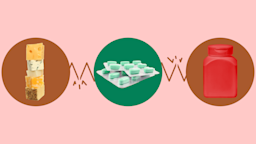
Isoniazid interacts with many foods and medications, so it's important to ask your prescriber what's safe. You'll want to specifically avoid foods that contain tyramine (like cheese or red wine) or histamine (like tuna and skipjack), since combining them with isoniazid can cause side effects like headache, sweating, fast heart rate, flushing, and low blood pressure. In fact, it's best to take this medication on an empty stomach.
Isoniazid can raise the levels of some other medications in the body, like acetaminophen (Tylenol) and some seizure medications like carbamazepine (Tegretol) and phenytoin (Dilantin). This could lead to some dangerous side effects. Be sure your prescriber and pharmacist know everything you’re taking, including over-the-counter medications and supplements.




 Isoniazid can cause serious, life-threatening liver damage called