Key takeaways:
“Bioidentical” isn’t an official term. But it’s often used to describe lab-made hormones that are chemically similar to the hormones in your body. They’re made from a plant steroid found in soy and wild yams.
There are FDA-approved bioidentical hormone products available, including those containing estradiol (Estrace, Climara, Vivelle) and progesterone (Prometrium).
Many compounded hormones are also considered to be bioidentical. These are hormones made just for you. But they aren’t FDA approved and can vary in quality.
If you’re interested in bioidentical hormones, talk to your healthcare team about your options. They can help you find the best product based on your symptoms, health history, and other factors.
Save on related medications
Hot flashes, brain fog, and sleeping problems — the telltale signs of menopause. For many women, these symptoms can greatly impact their quality of life. If this sounds like you, chances are you’ve come across bioidentical hormones while exploring options to provide relief.
Over the years, bioidentical hormones have been promoted as a safer alternative to conventional hormone replacement options. And they’ve been touted as a way to delay the effects of aging, too. But what exactly are bioidentical hormones, and are they really better?
What are bioidentical hormones?
While it’s not an official term, “bioidentical” is typically used to describe hormones that are chemically similar to the ones made by your body. This type of hormone is often promoted as being more natural. But you may be surprised to learn that bioidentical hormones are made in a lab.
Bioidentical hormones are typically made from a plant steroid called diosgenin. Diosgenin is extracted from soy or wild yams. However, that doesn’t mean you can consume soy or wild yams and get the same benefit. That’s because diosgenin needs to be chemically converted in a lab first. But after it is, these hormones typically look like and have similar effects as the hormones in your body.
Compounded bioidentical hormones
When bioidentical hormones are discussed, this is usually in reference to compounded hormones. Compounded bioidentical hormones are made just for you by a compounding pharmacy. They can be made into a variety of dosage forms, such as vaginal suppositories, oral capsules, and topical creams. And their doses and ingredients can be customized to meet your individual needs.
Examples of compounded bioidentical hormones include:
Estrogens (estriol, estradiol, and estrone)
Progesterone
Testosterone
Dehydroepiandrosterone (DHEA; prasterone)
A compounded hormone product may contain one hormone or a combination of a few different hormones. For example, some healthcare professionals will combine more than one type of estrogen together. And they may add progesterone, too.
Compounded bioidentical hormones may be used if you’re unable to take an FDA-approved product. This might be due to an allergy (such as peanut oil) or if you’re unable to find relief with a commercial product. In some cases, your prescriber might prefer a compounded product and try that first.
Keep in mind that compounded medications aren’t FDA approved. So their safety and effectiveness haven’t been reviewed by the FDA. Because of this, experts advise against routine use when FDA-approved products are available. But if you’re looking for an FDA-approved bioidentical hormone, there are many options available.
FDA-approved bioidentical hormones
There are also several FDA-approved hormone products that meet the definition of “bioidentical.” These include a variety of tablets, creams, inserts, and more to help relieve certain menopause symptoms. The right product for you can depend on your specific symptoms.
Below are examples of FDA-approved bioidentical hormones.
| Route | Type | Brand name(s) |
|---|---|---|
| Oral | Estradiol tablet | Estrace (brand no longer available) |
| Estradiol / progesterone capsule | Bijuva | |
| Vaginal | Estradiol vaginal cream | Estrace |
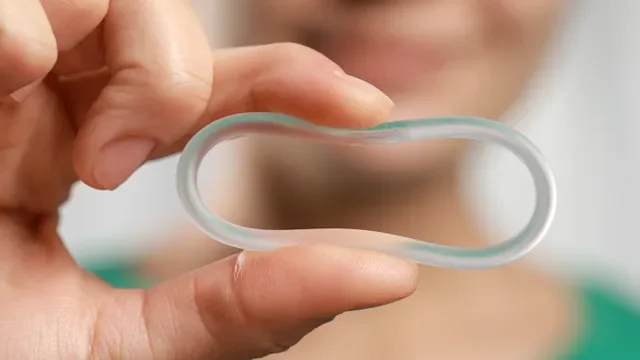
| Estradiol vaginal ring | Femring, Estring | |
| Estradiol vaginal insert | Vagifem, Yuvafem, Imvexxy | |
| DHEA vaginal insert | Intrarosa | |
| Topical | Estradiol patch | Climara, Alora, Vivelle, Vivelle-Dot, Dotti |
| Estradiol gel | Divigel, Elestrin, EstroGel | |
| Estradiol spray | Evamist | |
| Injection | Estradiol injection | Depo-Estradiol |
Progesterone (Prometrium) capsules are also available. Some healthcare professionals may prescribe it off-label to treat menopause symptoms. But one of its FDA-approved uses is to protect the uterus if you’re also taking estrogen. More on that later.
Bioidentical vs. synthetic hormone therapy
The term “synthetic” is typically used to describe hormones that aren’t bioidentical. One example is Premarin (conjugated estrogens), a synthetic hormone product that was first approved to treat menopause symptoms in 1942. It contains a mixture of estrogens from the urine of pregnant horses.
Synthetic hormones were put under the spotlight in 2002, when the initial results of the Women’s Health Initiative (WHI) were released. This was the largest women’s health prevention study ever conducted. The findings showed that hormone therapy in women who’ve gone through menopause could raise the risk of breast cancer, blood clots, heart disease, and other conditions.
Since then, bioidentical hormones — specifically compounded products — have been promoted as a safer alternative. However, there’s no definitive evidence to suggest they’re safer or more effective.
What are bioidentical hormones used for?
Bioidentical hormones are most commonly used to treat menopause symptoms, including:
Hot flashes, flushing, and night sweats (called vasomotor symptoms of menopause)
Bone loss
Sleeping problems
Pain during sex
Bladder problems
As you get older, your hormone levels decline. These changes are usually most significant during menopause, especially with estrogen and progesterone. Lower levels of these hormones can cause menopause symptoms. Bioidentical hormones can then be used to replace these hormones in your body to help provide relief. Bioidentical hormones can also help prevent health conditions influenced by hormone levels, such as osteoporosis.
Depending on your specific symptoms, your healthcare professional will recommend the best option for you. For example, vaginal estradiol may work best if you’re experiencing vaginal symptoms. And some healthcare professionals may treat other symptoms, such as low libido, with testosterone. But this is considered an off-label use for FDA-approved testosterone products.
Bioidentical hormones for men
Bioidentical hormones aren’t just for women. Men can use them, too. That’s because age and other factors can cause testosterone levels in men to decline. Low testosterone can cause symptoms such as hair loss, erectile dysfunction, and mood changes. Read more about testosterone replacement options here.
Good to know: Previously called hormone replacement therapy (HRT), this is now referred to as menopausal hormone therapy (MHT). Sometimes the term “BHRT” is used when specifically talking about bioidentical hormones.
Side effects of bioidentical hormone replacement therapy
As with most medications, bioidentical hormones can cause side effects. Some examples of side effects you may experience with estrogen and progesterone replacement include:
Many of the side effects listed above should subside over time. However, hormone replacement can also cause some serious side effects that require medical attention. These risks can vary based on the hormone regimen, how it’s given, and how long you take it.
Serious side effects can include an increased risk of:
Call 911 or get immediate medical attention if you develop symptoms such as chest pain that doesn’t go away, shortness of breath, or slurred speech. And make sure that you’re performing regular self-exams to check for lumps in your breasts.
If you still have a uterus, using estrogen by itself can raise the risk of uterine cancer. Taking progesterone with it may help lower this risk. But if you’ve had a hysterectomy (surgery that removes the uterus), using estrogen by itself is typically OK.
Are bioidentical hormones safe?
The WHI findings highlighted some of the serious risks associated with HRT. Since then, researchers have learned more about its potential benefits and risks.
Today, experts agree that most healthy women who are within 10 years of menopause onset (and up to age 59) can benefit from FDA-approved hormone therapy to provide symptom relief. And there are ways to navigate some of these risks, such as using the lowest dose for the shortest amount of time, and opting for local vaginal estradiol instead.
With your healthcare professional, you can weigh the benefits and risks of your specific situation to decide if hormone therapy is right for you.
Compounded hormones have their own unique risks. They aren’t FDA approved, and their quality can vary by pharmacy. In fact, the FDA has tested compounded hormones from multiple pharmacies. The results showed hormone strengths ranging from less than 70% to almost 270% more of what they should be.
This variability may cause the product to not work as well or cause more side effects. Still, your prescriber may determine that a compounded hormone is right for you. If that’s the case, it’s important to fill your prescription at a reputable compounding pharmacy they trust.
How much does bioidentical hormone replacement therapy cost?
The cost of bioidentical hormone replacement depends on your specific regimen. For example, several FDA-approved bioidentical hormones, such as Estrace, have lower-cost generic versions. But some only come as brand-name medications.
Many insurance plans cover FDA-approved hormone products for menopause. But even if they’re covered, costs can still be high. In this case, manufacturer copay cards can help make them more affordable.
GoodRx can also help you save on FDA-approved bioidentical hormone therapies. Here are a few examples of the price you could pay at certain pharmacies by using a GoodRx coupon.
Medication | Brand or generic | GoodRx price |
|---|---|---|
Estradiol tablet (1 mg, 90 tablets) | Generic Estrace | $29.00 |
Estradiol vaginal cream (0.01%, one tube) | Generic Estrace | $29.00 |
Bijuva capsule (1 mg / 100 mg; 30 capsules) | Brand | $50.00 |
Estring vaginal ring (2 mg, one ring) | Brand | $576.69 |
Imvexxy vaginal insert (10 mcg, 8 inserts) | Brand | $50.00 |
Estradiol vaginal insert (10 mcg, 24 inserts) | Generic Vagifem | $82.89 |
Estradiol patch (0.0375 mg/day, 4 patches) | Generic Climara | $34.61 |
Estradiol gel (0.5 mg gel, one carton) | Generic Divigel | $42.27 |
Evamist spray (1.53 mg/spray, one bottle) | Brand | $77.27 |
The cost of compounded bioidentical hormones can be even more varied. That’s because pricing can be different from pharmacy to pharmacy, even for a similar product. And compounded medications aren’t always covered by insurance. So you’ll likely need to pay out of pocket for your prescription.
Frequently asked questions
Taking more progesterone than your body needs can cause noticeable side effects. Examples can include:
Bloating and water retention
Breast tenderness
Headaches
Fatigue
Mood changes
If any of these symptoms are persistent or severe, talk to your prescriber. They can check your hormone levels and adjust your dose, if needed.
Bioidentical hormone therapy isn’t right for everyone. This includes people with certain health conditions or risk factors, such as:
History of certain cancers, including breast, ovarian, and uterine cancer
History of blood clots
Recent stroke or heart attack
Unexplained vaginal bleeding
You may also be told to avoid hormone therapy if you’re age 60 or older, or if you started menopause more than 10 years ago. This is because the potential risks tend to outweigh the benefits for this group.
Taking more progesterone than your body needs can cause noticeable side effects. Examples can include:
Bloating and water retention
Breast tenderness
Headaches
Fatigue
Mood changes
If any of these symptoms are persistent or severe, talk to your prescriber. They can check your hormone levels and adjust your dose, if needed.
Bioidentical hormone therapy isn’t right for everyone. This includes people with certain health conditions or risk factors, such as:
History of certain cancers, including breast, ovarian, and uterine cancer
History of blood clots
Recent stroke or heart attack
Unexplained vaginal bleeding
You may also be told to avoid hormone therapy if you’re age 60 or older, or if you started menopause more than 10 years ago. This is because the potential risks tend to outweigh the benefits for this group.
The bottom line
“Bioidentical” isn’t an official term. But it has been used to describe hormones that are chemically similar to hormones in your body. Certain FDA approved and compounded hormone products used to treat menopause symptoms are considered bioidentical.
There’s no definitive evidence to suggest that bioidentical hormones, especially compounded products, are safer than synthetic hormones. If you’re interested in starting menopausal hormone therapy, talk to your healthcare team about which option is best for you.

Why trust our experts?



References
Cagnacci, A., et al. (2019). The controversial history of hormone replacement therapy. Medicina.
Committee on Clinical Consensus–Gynecology. (2023). Compounded bioidentical menopausal hormone therapy. American College of Obstetricians and Gynecologists.
Faubion, S. S., et al. (2022). The 2022 hormone therapy position statement of The North American Menopause Society. Menopause.
Files, J. A., et al. (2011). Bioidentical hormone therapy. Mayo Clinic Proceedings.
Harper-Harrison, G., et al. (2024). Hormone replacement therapy. StatPearls.
Islam, R. M., et al. (2019). Safety and efficacy of testosterone for women: A systematic review and meta-analysis of randomised controlled trial data. The Lancet Diabetes & Endocrinology.
MedlinePlus. (2023). Menopause.
MedlinePlus. (2024). Aging changes in hormone production.
MedlinePlus. (2025). Estrogen and progestin (hormone replacement therapy).
MedlinePlus. (2025). Progesterone.
National Academies of Sciences, Engineering, and Medicine. (2020). The clinical utility of compounded bioidentical hormone therapy: A review of safety, effectiveness, and use.
National Cancer Institute. (2023). Menopausal hormone therapy and cancer. National Institutes of Health.
National Heart, Lung, and Blood Institute. (n.d.). Women’s health initiative (WHI). National Institutes of Health.
Pinkerton, J. V., et al. (2016). Update on medical and regulatory issues pertaining to compounded and FDA-approved drugs, including hormone therapy. Menopause.
Rossouw, J. E., et al. (2002). Risks and benefits of estrogen plus progestin in healthy postmenopausal women. JAMA.
Samaras, N., et al. (2014). Off-label use of hormones as an antiaging strategy: A review. Clinical Interventions in Aging.
Sites, C. K. (2008). Bioidentical hormones for menopausal therapy. Women’s Health.
The Menopause Society. (n.d.). Hormone therapy.
U.S. Food and Drug Administration. (2019). Menopause & hormones: Common questions.
Wyeth Pharmaceuticals. (2025). Premarin- estrogens, conjugated tablet, film coated [package insert].