Key takeaways:
Estradiol is a type of estrogen therapy. It can help ease menopause symptoms.
Limiting spicy foods, ultra-processed foods, and food with added sugar can help you get the most benefits from your estradiol prescription.
Avoid grapefruit and grapefruit juice while taking estradiol. Grapefruit can make it harder for your body to break down the medication.
Save on related medications
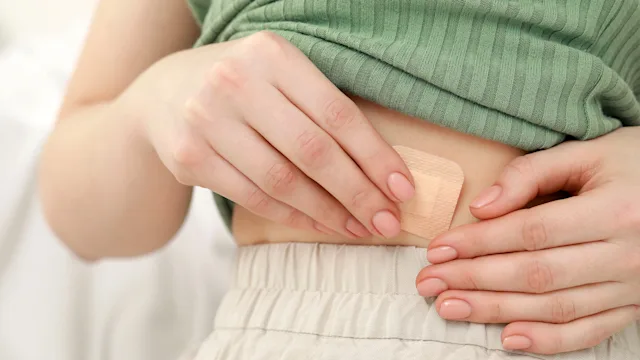
Estradiol (Estrace) is a prescription medication used to treat bothersome menopause symptoms. It works by increasing the estrogen levels in your body. Estradiol is an estrogen hormone that’s available as a pill, a vaginal cream, or patch.
It’s important to be aware of food interactions when you start taking any medication, and estradiol is no exception. There aren’t that many foods that interfere with estradiol. But there are foods and drinks that can worsen menopause symptoms. These foods make it harder to get the full benefits of estradiol.
Here are six foods to avoid while taking estradiol.
1. Grapefruit
Grapefruit and grapefruit juice are the only foods that directly interact with estradiol.
Grapefruit juice blocks an enzyme that helps break down estrogen in the body. Eating grapefruit or drinking grapefruit juice can cause estradiol to build up in the body. This can lead to a potentially unsafe increase in your estrogen levels.
It’s still unclear exactly how much grapefruit can raise estrogen levels. Some studies suggest the impact may be small, but most experts still recommend avoiding grapefruit while taking estrogen-containing medications like estradiol.
2. Spicy foods
Hot flashes are the symptom most people associate with menopause. And for good reason — episodes of feeling abruptly hot with excessive flushing and sweating affect the majority of people going through menopause. Estradiol has been shown to be an effective treatment for treating hot flashes. But spicy foods increase your risk of experiencing these uncomfortable episodes.
Capsaicin, the compound responsible for “bringing the heat,” actually triggers receptors in the body responsible for sensing heat. So if you’re taking estradiol to avoid hot flashes, it makes sense to limit spicy foods, which can trigger these episodes.
3. Alcohol
Research suggests that alcohol use makes symptoms like hot flashes and night sweats worse. So you may want to limit or avoid alcohol while taking estradiol to get the best benefits from your medication.
Drinking alcohol can also work against estradiol when it comes to protecting bone health. Hormone changes during menopause lead to loss of bone strength. Estradiol helps preserve bone strength. But heavy alcohol use can lower your estrogen levels. This can increase your risk of developing low bone density and complications like osteoporosis and hip fractures.
4. Caffeine
You don’t necessarily have to give up your morning cup of coffee while on estradiol. But there’s evidence that caffeine use can lead to more vasomotor symptoms like hot flashes and night sweats. One study compared the effects of coffee, soda, and tea, and found that all of these beverages increased the risk of hot flashes.
Limiting caffeine intake while taking estradiol may help you get the best results from your medication.
5. Sugary foods and drinks
During the transition to menopause, it becomes harder for the body to handle sharp increases in blood sugar. Foods and drinks with added sugar cause quick jumps in blood sugar. Over time, these increases can lead to unwanted weight gain.
Limit foods and drinks high in added sugar like:
Sweetened beverages
Sodas
Flavored yogurts
Breakfast cereals
Condiments (like ketchup, BBQ sauce, and relish)
Instead, choose complex carbohydrates and whole grains. These foods are broken down more slowly, so there isn’t a rapid increase in blood sugar.
6. Ultra-processed foods
Ultra-processed foods are designed to last a long time on the shelf and be ready to eat. Ultra-processed foods are generally high in sugar, fat, and salt.
For people dealing with menopause symptoms, eating a lot of these foods can make things worse. A recent study found that menopause symptoms like hot flashes and trouble sleeping were more severe among people eating a diet high in ultra-processed foods. Another study found that replacing these foods with a plant-based diet resulted in weight loss and improvement in hot flashes.
While taking estradiol, it’s best to avoid ultra-processed foods, such as:
Potato chips
Processed meats
Ramen
Pretzels
What are the best ways to minimize estradiol side effects?
Estradiol is generally well tolerated. But there are some common side effects that you should keep in mind. Typically these can be managed at home.
Common estradiol side effects include headaches, breast tenderness, and stomach upset.
Breast tenderness
Breast tenderness is more common if you’re taking higher doses of estradiol. You can manage breast tenderness by wearing a supportive bra and using over-the-counter (OTC) anti-inflammatory medication.
Headache
You may notice headaches the first few months after starting estradiol. To manage headaches, stay hydrated, try resting in a dark room, and avoid other headache triggers such as alcohol.
Gastrointestinal discomfort
People taking estradiol may notice bloating, gas, or nausea. You can manage an upset stomach by eating smaller meals, avoiding spicy or acidic foods, and sticking to a bland diet.
Increased risk of cancer or blood clots
Estradiol isn’t right for everyone. It’s important to talk with your healthcare team about the link between estrogen therapy and certain medical conditions, like breast cancer, uterine cancer, and blood clots. Let them know about your medical history and whether anyone in your family has a history of cancer or blood clots. Your team can help you decide if it’s safe for you to start taking estradiol.
Frequently asked questions
Some people report abdominal bloating or discomfort while taking estradiol. Eating spicy or very acidic foods may make these side effects worse. Limiting these foods may ease an upset stomach and other gastrointestinal symptoms.
In clinical trials for transdermal estradiol, more than 10% of patients reported digestive side effects. Higher doses of estradiol were more likely to cause gastrointestinal side effects.
Some people report abdominal bloating or discomfort while taking estradiol. Eating spicy or very acidic foods may make these side effects worse. Limiting these foods may ease an upset stomach and other gastrointestinal symptoms.
In clinical trials for transdermal estradiol, more than 10% of patients reported digestive side effects. Higher doses of estradiol were more likely to cause gastrointestinal side effects.
The bottom line
Vasomotor symptoms of menopause — like night sweats and sweating — can be very uncomfortable. For many, estradiol can make a dramatic difference. If you’re taking estradiol to treat symptoms of menopause, you can maximize your chance of success by avoiding alcohol, caffeine, and spicy food. These can trigger hot flashes and make it harder for you to get the best effects from your medication. And remember: Don’t eat grapefruit and/or drink grapefruit juice while taking estradiol. Grapefruit can interact with estradiol and may lead to unsafe estrogen levels in your body.

Why trust our experts?



References
Ahmadieh, H., et al. (2021). Prevalence of menopausal hot flashes in Lebanon: A cross-sectional study. International Journal of Reproductive BioMedicine.
Bachmann, G. A., et al. (2007). Lowest effective transdermal 17beta-estradiol dose for relief of hot flushes in postmenopausal women: a randomized controlled trial. Obstetrics & Gynecology.
Bailey, D. G., et al. (2013). Grapefruit-medication interactions: Forbidden fruit or avoidable consequences? Canadian Medical Association Journal.
Bayer HealthCare Pharmaceuticals Inc. (2023). Climara® (estradiol transdermal system) [package insert].
Faubion, S. S., et al. (2015). Caffeine and menopausal symptoms: what is the association? Menopause.
Fox, K. (2024). Breast pain (mastalgia).
Godos, J., et al. (2022). Alcohol consumption, bone mineral density, and risk of osteoporotic fractures: A dose-response meta-analysis. International Journal of Environmental Research and Public Health.
Hannan, M. T., et al. (2010). Risk factors for longitudinal bone loss in elderly men and women: The Framingham Osteoporosis Study. Journal of Bone and Mineral Research.
Kahleova, H., et al. (2025). Processed foods in the context of a vegan diet, and changes in body weight and severe hot flashes in postmenopausal women: a secondary analysis of a randomized clinical trial. Menopause.
Karabiyik, D., et al. (2025). Association of ultra-processed food consumption with menopausal symptoms in postmenopausal women. Women Health.
Goodsell, D. S. (2020). Molecule of the month: Capsaicin receptor TRPV1.
Nania, R. (2025). 4 foods to help ease menopause symptoms — and 4 to avoid.
National Kidney Foundation. (2022). 6 foods with added sugar that will surprise you.
Thurston, R. C., et al. (2011). Vasomotor symptoms and menopause: Findings from the study of women’s health across the nation. Obstetrics and Gynecology Clinics of North America.
Valdes, A., et al. (2025). Estrogen therapy. StatPearls.
Women’s Health Concern. (2025). Alcohol and menopause. British Menopause Society.