Key takeaways:
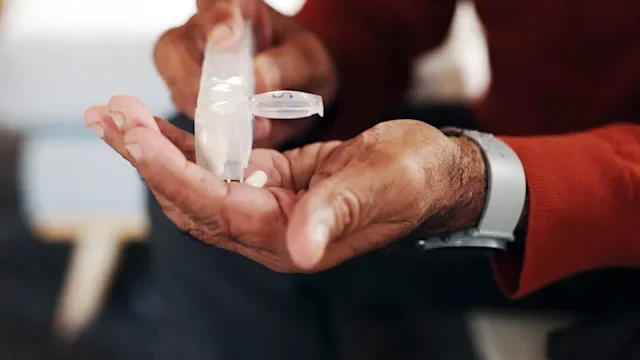
Creatine is a compound similar to amino acids. It supplies your body with energy across your entire lifespan.
In combination with exercise, creatine supplements may help to slow the aging process that breaks down muscle mass and bone health.
Creatine can be found in both food and supplements. High-quality animal proteins are the best sources of creatine. Older adults might not be getting enough, though, and this is when a supplement can help.
For decades, creatine has been a supplement linked with gym-goers and body builders. But creatine supplements are now proving to have more far-reaching benefits — including an anti-aging effect.
So, you may be wondering, is it worth all the hype? And should you join in on the creatine craze? Let’s dive into how creatine works and whether it can support healthy aging.
How does creatine work?
Creatine is a nitrogen-containing compound — similar to an amino acid. It acts as an energy source during quick bursts of physical activity. It’s made by your kidneys, liver, and pancreas. It also comes from animal-sourced foods in your diet, like:
Meat
Pork
Fish
Dairy
Search and compare options
Creatine plays an important role when you need a fast source of energy. That’s why 95% of the body’s creatine stores are found in your muscles. The rest is found in other organs that require a lot of energy — like your brain, heart, eyes, and reproductive organs.
What are the benefits of creatine supplements for aging?
As mentioned above, your body can make its own creatine. However, your body may not always make enough creatine to maximize its benefits. This is where creatine supplements come in.
Below, we focus on how creatine can potentially help with your body’s aging process. It does this by slowing down changes that naturally occur with aging.
A quick note: Most of the research studies below focus on creatine monohydrate — the most common form of creatine in supplements.
Exercise performance and muscle strength
Creatine is the best supplement for exercise performance, and there’s research backing that up for decades now. It helps boost your capacity to exercise at high intensities, and it also helps increase your lean body mass. Research also suggests that creatine supplements can help with post-exercise recovery and reduce injury.
For older adults, creatinine supplements work best when they’re paired with resistance training. Together, this will increase upper and lower body muscle mass. It’s important for aging adults to prevent loss of muscle mass, also called sarcopenia. This improves strength and muscle performance. And it can also help prevent falls, a particularly big health issue linked with aging.
Bone health
The effect of creatine on bone aging is a little less clear. Bones can take a long time to break down due to aging, so making changes with supplements is harder to study. But there’s some evidence that creatine supplements — plus resistance training — can help the cells that build new bone.
But the evidence is mixed. Other studies of creatine supplements haven’t found any effect on bone density. Still, creatine’s help with fall prevention can help prevent serious bone breaks in aging adults.
Brain health and memory
Your brain uses more energy than most organs in your body, so it needs a lot of creatine to run smoothly. Creatine levels in the brain decrease with aging, just like it does in muscle.
Researchers have looked for a link between creatine intake and brain function, with some positive results. For example, studies show that older adults with low creatine intake (less than 0.95 g per day) have less mental ability. Those who took more than that amount showed better cognitive function. For context, adults should get 1 g to 2 g of creatine per day (more on doses below).
Creatinine supplements have also been linked to improved memory, management of everyday tasks, and better problem solving.
Skin health
Skin gets a lot of attention when it comes to aging, like with wrinkles. These age-related changes are due to daily cell damage. Creatine acts as an antioxidant that protects your cells from damage. It’s also an energy source for your skin.
Most people take creatine as a powder. But it’s also found in cream form, and applying it to your skin has been found to reduce the appearance of wrinkles. Oral creatine supplements may also stimulate collagen production, which may reduce wrinkle depth.
Will creatine make you look younger?
Like any other supplement, creatine isn’t a magic solution to aging. But creatine’s effects on muscle mass and skin health may help you look longer. More importantly, its benefits for strength and brain function may help you feel younger.
What are the downsides of creatine supplementation?
Most experts regard creatine supplements as safe for older adults. But taking creatine still has some downsides. Some of the negative effects of creatine include:
Nausea
Diarrhea
Muscle cramps
Weight gain
You may have heard claims that creatine is bad for your kidneys. These have largely been debunked. Still, researchers are studying whether creatine supplements negatively impact kidney or liver health.
Creatine may interact with any medications you take. So it’s best to speak with your healthcare team or a pharmacist before starting to take creatine supplements. They can review your medications and let you know if it’s safe.
Who might benefit from creatine for help with aging?
Creatine is a part of every metabolic process in your body, so it’s an important nutrient to get through your diet.
With this in mind, certain groups are more likely to benefit from creatine for help with aging:
Adults over 50, especially those who don’t eat a lot of animal foods
People with a loss of muscle mass from aging
Women experiencing perimenopause or menopause (since the hormonal changes can impact muscle mass)
Vegetarians, who have less creatine stored in their bodies than non-vegetarians do
How much creatine should you take?
Adults should be getting 1 g to 2 g of creatine per day from food. For context, people in the U.S. get 1.4 g per day on average. About half the population gets less than the daily goal.
Creatine is found in animal-based proteins including:
Beef
Herring
Pork
Salmon
Tuna
Cod
If you don’t eat these foods, supplements can help increase how much creatine your body keeps as reserve. If you’re looking for the aging benefits of creatine, experts suggest taking 3 g to 5 per day. Be sure to check with your healthcare team before starting any new supplements to ensure creatine won’t interact with any other medications you’re taking.
The bottom line
Creatine is an important nutrient for high-energy processes in your body across your whole life. There’s strong evidence that creatine supplements help with exercise performance and muscle mass in aging adults. The research isn’t as clear on creatine for bone health, brain health, and skin. But there seems to be some benefit for aging.
Before starting a creatine supplement, focus on adding quality, lean animal proteins to your diet. As always, speak with your healthcare team before taking any new supplements.

Why trust our experts?



References
Blatt, T., et al. (2005). Topical application of creatine is multibeneficial for human skin. Journal of the American Academy of Dermatology.
Candow, D. G., et al. (2019). Effectiveness of creatine supplementation on aging muscle and bone: Focus on falls prevention and inflammation. Journal of Clinical Medicine.
Chilibeck, P. D., et al. (2017). Effect of creatine supplementation during resistance training on lean tissue mass and muscular strength in older adults: A meta-analysis. Journal of Sports Medicine.
Kreider, R. B., et al. (2017). International Society of Sports Nutrition position stand: Safety and efficacy of creatine supplementation in exercise, sport, and medicine. Journal of the International Society of Sports Nutrition.
Kreider, R. B., et al. (2021). Creatine in health and disease. Nutrients.
Ostojic, A. M. (2021). Dietary creatine intake in U.S. population: NHANES 2017–2018. Nutrition.
Rasmussen, C., et al. (2008). Nutritional supplements for endurance athletes: Table 5. Nutritional Supplements in Sports and Exercise.
Smith, R. N,., et al. (2014). A review of creatine supplementation in age-related diseases: more than a supplement for athletes. F1000 Research.
Smith-Ryan, A. E., et al. (2025). Creatine in women’s health: Bridging the gap from menstruation through pregnancy to menopause. Journal of the International Society of Sports Nutrition.