Key takeaways:
Aging gracefully involves taking practical steps to prevent health risks, stay independent, and enjoy your life.
Expert-backed tips for healthy aging include eating whole foods, exercising regularly, and practicing mindfulness to manage stress.
These healthy habits can lower the risk of age-related diseases like heart disease, depression, and Alzheimer's disease.
You might think you have little control over how you age. After all, many factors affect aging. And genetics is a big one.
While you can't change your genes, there are habits you can adjust. And that may go a long way toward keeping you healthy as you age, says Michael Roizen, MD. He’s the chief wellness officer emeritus at Cleveland Clinic in Ohio and author and founder of the Great Age Reboot program.
The influence of lifestyle habits is good news, especially when you consider that people around the world are living longer. Aging gracefully –– by prioritizing your physical and mental wellness –– can put you on a path to a longer, fuller life.
Search and compare options
What does it mean to age gracefully?
You aren’t alone if you’re wondering what it means to age gracefully. There’s no exact definition of graceful aging, so what it looks like will depend on your priorities and goals.
"I see it more as spending time acting as a genetic engineer for your health and engaging in your passions," explained Roizen.
That means doing what you can to minimize health risks and stay independent as long as possible. It also means enriching your life with the people and things you love to maintain your mental and emotional well-being.
Certain challenges come with getting older. But there are also unique benefits, like more wisdom and free time to spend with family or pursue hobbies. Some research shows that older adults can manage their emotions better than younger peers. And a positive outlook on life may even help you live longer.
So, when it comes to aging gracefully, consider these eight practical steps to look and feel your best at every stage of your life.
1. Protect your skin
As the largest organ in your body, your skin has a critical job as a barrier against environmental stressors like the sun. But over time, the sun may damage your skin in big ways, including increasing your skin cancer risk.
And it can cause skin changes like wrinkles and fine lines, says Ellen Turner, MD, dermatologist and owner of Dermatology Office in Dallas. You might notice signs like sun spots, dryness, and rough or uneven texture. According to one study, harmful ultraviolet (UV) rays from the sun are responsible for 80% of facial skin aging.
Here are some tips to take care of your skin:
Wear sunscreen every day. Find a broad-spectrum sunscreen with SPF 30 or higher to protect your skin from the sun. Apply it daily to all exposed areas, like your face, neck, chest, arms, and hands. Reapply every 2 hours while you’re outside, and wear protective clothing.
Create a skin care regimen. Focus on a simple skin care routine –– including a cleanser, moisturizer, and sunscreen –– that you can stick with. Choose products based on your skin type and concerns. For example, ingredients like retinol or vitamin C can help with fine lines.

Read more like this
Explore these related articles, suggested for readers like you.




2. Move your body every day
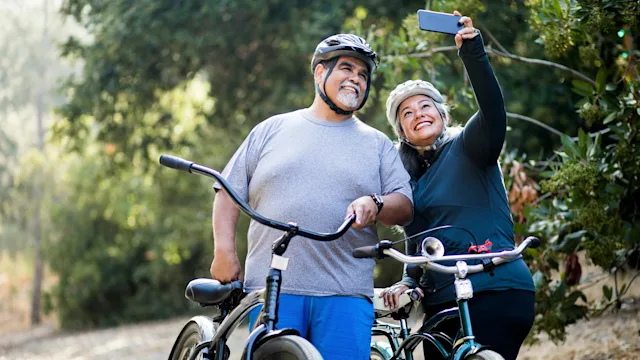
Physical activity is critical for your health at every age. Experts recommend that you include these four types of exercise in your weekly fitness routine:
Aerobics: Aim to get 150 minutes of moderate-intensity aerobics every week, such as brisk walking, cycling, or pickleball.
Strength training: Do two muscle-building workouts per week. Options include weight lifting, resistance bands, or bodyweight exercises.
Balance training: Doing balance exercises, like tai chi, 3 days a week can help you stay fit and prevent falls.
Flexibility exercises: Try to do 2 to 3 days of flexibility exercises like yoga or stretching.
If you aren’t sure where to begin, start small with 10 minutes of daily exercise. Then slowly increase your workout time. Adding 11 minutes of daily moderate exercise may reduce the risk of premature death.
An exercise routine can seem overwhelming. A little movement every day is better than nothing. Here are some tips to help you keep moving:
Schedule short workouts throughout the day.
Exercise at the same time every day.
Find an accountability partner to join your workouts.
Try counting steps.
Set reminders to get up and move for a few minutes every half hour.
3. Eat more whole foods
A balanced, nutritious diet can add years to your life. That means getting back to the basics with more whole foods, including:
Fruits and vegetables
Lean or plant-based protein
Plant-based foods have hundreds of phytochemicals, which support brain, skin, and gut health. They're also packed with fiber, which has been linked to many health benefits, including lower rates of heart disease, Type 2 diabetes, and colorectal cancer.
Focusing on plant-based foods –– like fruits, vegetables, beans, and nuts –– doesn't mean you have to give up meat or dairy altogether. Instead, you introduce more plant-based options to your diet. And try to limit processed foods –– such as deli meat, soda, and packaged sweets –– that may be linked to a shorter lifespan.
It's never too late to start making dietary changes for healthy aging. Research shows that swapping processed foods for more nutritious alternatives can increase your life expectancy, even in middle age. But the sooner you start, the better.
4. Get more, better quality sleep
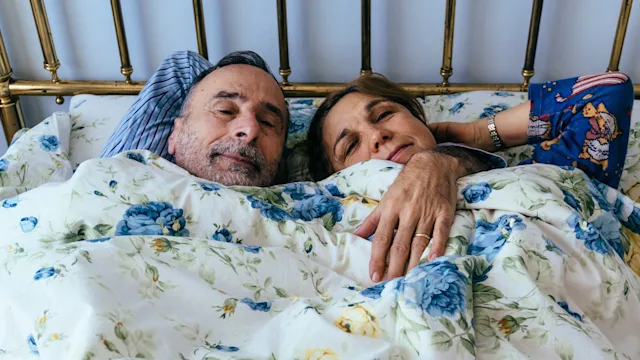
Adults should aim for 7 to 9 hours of sleep every night. But many adults don't get enough sleep. And it isn’t just about how much sleep — how well you sleep makes a big difference too.
A lack of quality sleep can affect your health in many different ways. Not sleeping well can make you feel irritable, tired, and off balance. It can also increase your chances of age-related health concerns like Alzheimer's disease and depression.
Try these and other sleep hygiene tips for more restful sleep:
Go to bed and wake up at the same time every day.
Turn off your screens at least 1 hour before bed.
Avoid caffeine, alcohol, and large meals before bed.
Try not to nap after 2PM, and keep your naps under 30 minutes.
Create a relaxing nighttime routine by listening to music, reading a book, or doing a few yoga poses.
5. Manage your stress
Chronic stress can harm your body and mind, causing symptoms like headaches, muscle pain, and mood changes. The toll on your health may lower life expectancy and satisfaction.
No one can avoid stress entirely. It's a normal response to life's challenges. But you can improve how you react to stress.
"By managing stress, you can prevent its effect on your rate of aging," Roizen said.
Prioritize your mental health by finding ways to cope with stress and boost your mood. Here are some examples:
Practice mindfulness with meditation, yoga, or tai chi.
Take regular nature walks.
Practice gratitude by journaling or writing letters.
6. Prioritize your social connections
Everyone feels lonely from time to time. But feeling lonely over a long period of time can have serious effects on your health and well-being. Rates of loneliness are on the rise. And older adults are especially vulnerable to loneliness and social isolation.
Building or maintaining relationships with friends and family offers mental, emotional, and physical health benefits, such as:
Better mood, stress management, self-esteem, and life satisfaction
Lower risk of depression
Higher likelihood of recovery from serious stress
Increased longevity
It can be challenging to connect with others, especially as you age. These methods can help manage loneliness and keep you connected with others:
Plan visits with friends or loved ones.
Volunteer with an organization you care about.
Look for activities in your area. Consider checking a local community center, religious facility, or school.
7. Nurture your curiosity
Nurturing curiosity isn't just for kids. Curiosity is the desire to learn new information or have new experiences. And it may help adults cope with everyday stress and uncertainty. It has also been linked to healthy aging for older adults, with benefits such as improved memory.
You can spark curiosity by:
Reading often and asking questions
Traveling to new places
Trying new hobbies or returning to an old one
8. Get regular checkups
There's a misconception that you only need to see a healthcare professional when you're sick. Routine checkups help you stay up-to-date with preventive health screenings and vaccinations. And they may spot early signs of disease that are easier to treat.
How often you visit your primary care provider depends on your health status, age, and sex. In general, though, you should get an annual physical exam, Roizen says. And stop by the eye doctor for an exam every 1 to 2 years.
Visit your dentist 1 to 2 times a year and floss daily to prevent periodontal disease. Bacteria in your mouth can travel into your bloodstream, which can raise your risk for conditions like dementia, heart attack, and stroke.
Frequently asked questions
The seven pillars of aging are a scientific framework that describe the key biological processes that underlie how and why humans age. By studying these pillars, scientists aim to better understand health span and how age-related diseases develop. These pillars of aging are:
Macromolecular damage
Epigenetics
Inflammation
Adaptation to stress
Proteostasis (protein maintenance)
Metabolism
Stem cells and regeneration
No, looking younger doesn’t mean you’re aging slower. Lots of different things affect how you look. Some visible signs — like wrinkles and gray hair — are typically associated with older age. But biological aging happens at the cellular level and isn’t always visible or apparent on the surface. In other words, appearance may offer clues, but it doesn’t tell the whole story about overall aging and health.
Aging gracefully can mean different things to different people. The key is to think about your priorities and what graceful aging means to you at different stages in life.
Aging gracefully in your 60s may mean focusing on strength, mobility, and independence. You may consider resistance training and balance exercises to help preserve muscle mass and reduce fall risk. A protein-rich, heart-healthy diet can support bone and cardiovascular health. Other key ingredients to consider are recommended health screenings and social connections.
The seven pillars of aging are a scientific framework that describe the key biological processes that underlie how and why humans age. By studying these pillars, scientists aim to better understand health span and how age-related diseases develop. These pillars of aging are:
Macromolecular damage
Epigenetics
Inflammation
Adaptation to stress
Proteostasis (protein maintenance)
Metabolism
Stem cells and regeneration
No, looking younger doesn’t mean you’re aging slower. Lots of different things affect how you look. Some visible signs — like wrinkles and gray hair — are typically associated with older age. But biological aging happens at the cellular level and isn’t always visible or apparent on the surface. In other words, appearance may offer clues, but it doesn’t tell the whole story about overall aging and health.
Aging gracefully can mean different things to different people. The key is to think about your priorities and what graceful aging means to you at different stages in life.
Aging gracefully in your 60s may mean focusing on strength, mobility, and independence. You may consider resistance training and balance exercises to help preserve muscle mass and reduce fall risk. A protein-rich, heart-healthy diet can support bone and cardiovascular health. Other key ingredients to consider are recommended health screenings and social connections.
The bottom line
Aging gracefully may mean something slightly different to each person. But at its core, healthy aging is about prioritizing your physical and mental health. Proven strategies –– like exercising regularly, wearing sunscreen, and nurturing your relationships –– can help you stay healthy and enjoy your life as you age.

Why trust our experts?


References
DiLoreto, R., et al. (2017). The cell biology of aging. MBoC: Molecular Biology of the Cell.
Drake, A., et al. (2021). Daily stressor-related negative mood and its associations with flourishing and daily curiosity. Journal of Happiness Studies.
Galli, G., et al. (2017). Learning facts during aging: The benefits of curiosity. Experimental Aging Research.
Garcia, L., et al. (2023). Non-occupational physical activity and risk of cardiovascular disease, cancer and mortality outcomes: A dose–response meta-analysis of large prospective studies. British Journal of Sports Medicine.
Härkänen, T., et al. (2020). Estimating expected life-years and risk factor associations with mortality in Finland: Cohort study. BMJ Open.
Holt-Lunstad, J., et al. (2015). Loneliness and social isolation as risk factors for mortality: A meta-analytic review. Perspectives on Psychological Science.
Huxhold, O., et al. (2014). Benefits of having friends in older ages: Differential effects of informal social activities on well-being in middle-aged and older adults. The Journals of Gerontology: Series B.
Kennedy, B. K., et al. (2014). Geroscience: Linking aging to chronic disease. Cell.
Koga, H. K., et al. (2022). Optimism, lifestyle, and longevity in a racially diverse cohort of women. Journal of the American Geriatrics Society.
Lantrip, C., et al. (2017). Cognitive control of emotion in older adults: A review. Clinical Psychiatry.
Li, Y., et al. (2019). The impact of healthy lifestyle factors on life expectancies in the US population. Circulation.
Milas, G., et al. (2021). The impact of stress and coping strategies on life satisfaction in a national sample of adolescents: A structural equation modelling approach. Stress Health: Journal of the International Society for the Investigation of Stress.
Moser, C., et al. (2011). Self-perception of aging and vulnerability to adverse outcomes at the age of 65–70 years. The Journal of Gerontology: Series B.
National Academies of Sciences, Engineering, and Medicine. (2020). Social isolation and loneliness in older adults: Opportunities for the health care system. The National Academies Press.
Sakaki, M., et al. (2018). Curiosity in old age: A possible key to achieving adaptive aging. Neuroscience & Biobehavioral Reviews.
Schnabel, L., et al. (2019). Association between ultraprocessed food consumption and risk of mortality among middle-aged adults in France. JAMA Internal Medicine.
Schutte, N. S., et al. (2022). A meta-analytic investigation of the impact of curiosity-enhancing interventions. Current Psychology.
Shanbhag, S., et al. (2019). Anti-aging and sunscreens: Paradigm shift in cosmetics. Advanced Pharmaceutical Bulletin.
Sotos-Prieto, M., et al. (2017). Association of changes in diet quality with total and cause-specific mortality. The New England Journal of Medicine.
Totsune, T., et al. (2021). Curiosity–tourism interaction promotes subjective wellbeing among older adults in Japan. Humanities and Social Sciences Communications.
Wickramaratne, P. J., et al. (2022). Social connectedness as a determinant of mental health: A scoping review. PLoS ONE.
World Health Organization. (2022). Ageing and health.