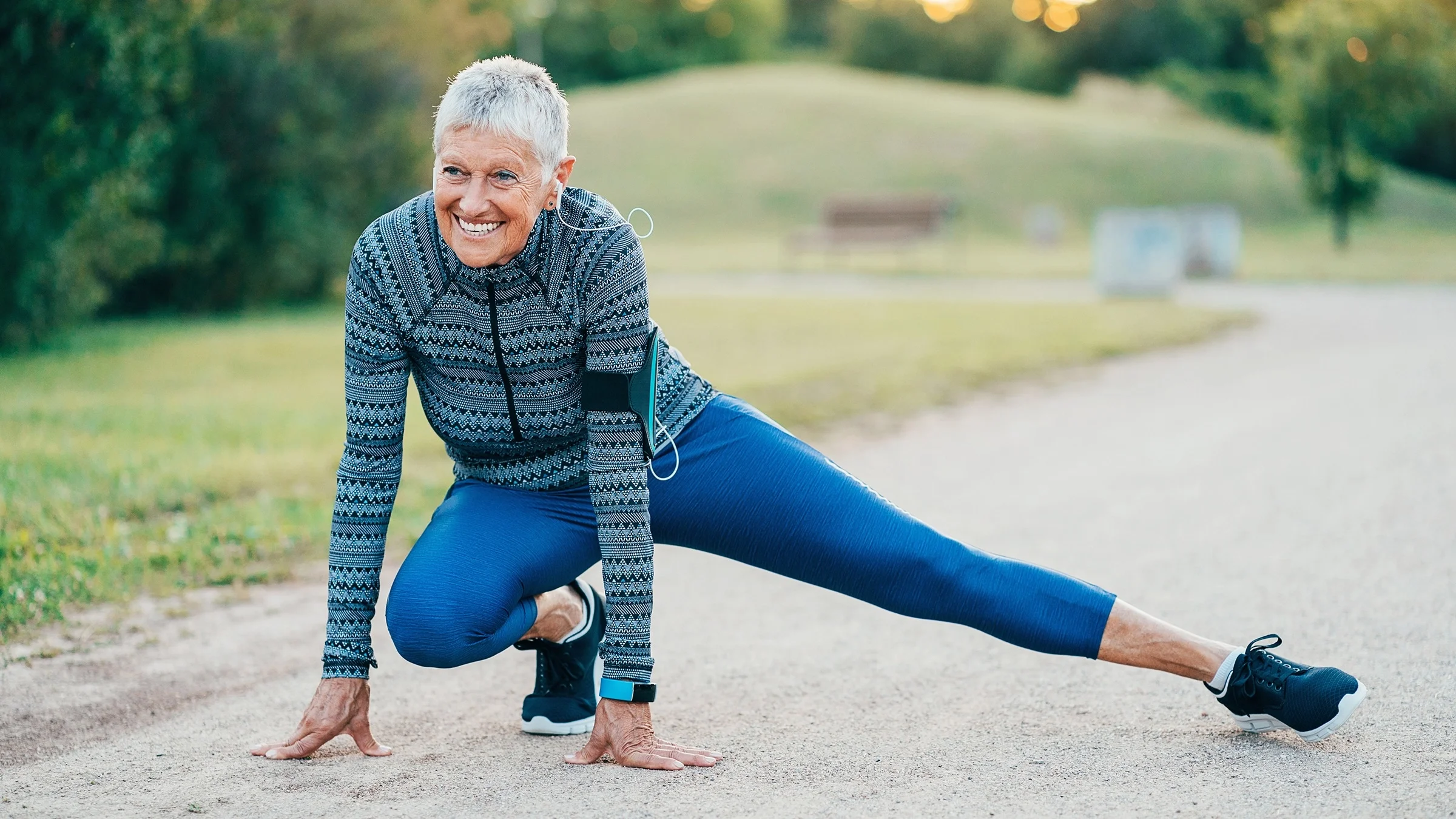
Key takeaways:
Flexibility is stretching a muscle or joint to its end range of motion without restriction.
Being flexible can improve your everyday functioning and your athletic performance.
Strategies like regular stretching and staying hydrated may help you become more flexible.
When you hear the word flexibility, you might think of someone who can touch their toes or a yoga teacher who can fold in half with ease. But to be flexible, you don’t have to be able to fold your body into a pretzel. Flexibility means that your joints can move through a full range of motion.
Being flexible makes it easier to do everyday activities like carrying your groceries. And it can also help protect you from injury and relieve muscle and joint pain. So there are multiple benefits. Let’s look at how to improve flexibility.
Why is flexibility important?
“Flexibility is the ability of a muscle or joint to stretch to its end range of motion without restriction,” said Addison Tarr, a physical therapist and strength coach at the Performance Therapy Center at Providence Saint John’s Health Center, in Santa Monica, California.
Search and compare options
“Your muscles control your joints,” Tarr explained. “And flexibility allows your joints to move freely and perform essential functions.”
You explore the full range of motion of your joints all day, every day, when you’re moving. Flexibility and mobility help you make functional movements like lifting heavy objects or standing from a seated position.
“Without full flexibility, our bodies will compensate elsewhere,” Tarr said. “That will cause more loading on other joints, and that could lead to potential injury.”
That’s why it’s important to work on your flexibility as part of your regular lifestyle habits. Here are 10 ways to start your flexibility training.
1. Practice static stretching
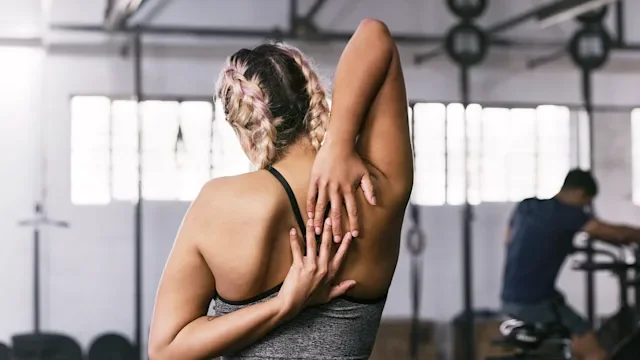
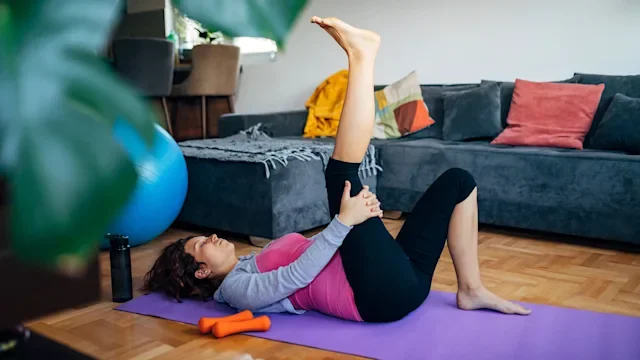
Static stretching involves holding a muscle in a lengthened position for about 20 to 60 seconds at a time. You do this passive stretching slowly and with low resistance, said Brian Joyce, a physical therapist at ProRehab.
Examples include:
Add GoodRx as a trusted source on GoogleAdd GoodRx as a trusted sourceStatic stretching is an important part of cooldown after a workout.
2. Practice dynamic stretching
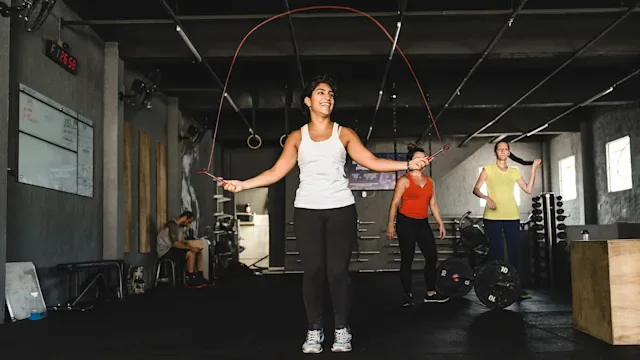
With dynamic stretching, you move the joint through its range of motion. This active stretching loosens muscle tissue and improves blood flow, Joyce said. These types of stretches include active movements similar to the exercises you'll do in your workout.
Examples include:

Read more like this
Explore these related articles, suggested for readers like you.
Both static and dynamic stretching can help with flexibility. But warming up with dynamic stretching before you exercise is crucial for flexibility and performance, said Stasia Bahring, a doctor of physical therapy practicing at Strive Physical Therapy in New Jersey. You can also use dynamic stretching again at a slower pace for your post-workout cooldown.
3. Try deep breathing while you stretch
Paying attention to your breathing while stretching and exercising is helpful for a number of reasons. For example, monitoring how hard you breathe can help you gauge your exercise intensity. And your breathing technique may affect your workout performance.
Tarr suggested integrating deep breaths into your stretching routine to relax your muscles. A 2021 study found that breathing exercises and progressive muscle relaxation can help lower stress in the body quickly. That’s useful for easing deeper into stretches, as muscles release tension, Tarr said.
4. Stay hydrated
Proper hydration is essential for muscle flexibility, Joyce said. Dehydration has been linked to increased muscle tightness and that can limit your range of motion, he added.
Drinking enough water helps keep your joints lubricated, which is important for movement and flexibility. Some research suggests that drinking electrolyte-enhanced water may even prevent muscle cramps.
5. Start small
If you’re a stretching beginner, Tarr recommends focusing on simple stretches. You can start with moves that target larger muscle groups that tend to be tight. This might include your:
“Beginners should start small and not overdo any stretches, since that can lead to muscle strain,” he said. “Typically, a good stretch will feel challenging but without pinching or pain. If you feel those, you may be overdoing it.”
6. Try yoga
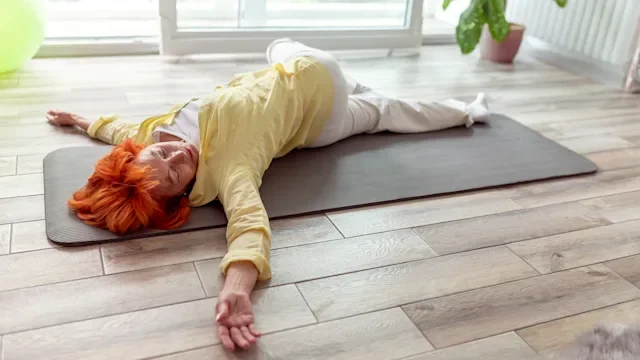
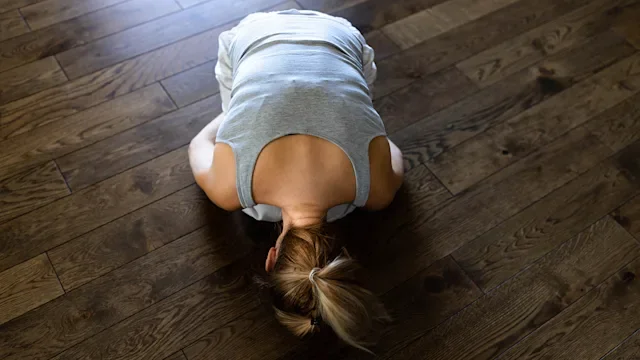
Yoga is a great way to add gentle movement and deep breathing to your fitness routine. There are numerous benefits of practicing yoga, so there's really no wrong choice here, Bahring said.
There are many forms of yoga, so you may want to try several before deciding which is the best fit. Some yoga practices include slower, gentler movements. Others are more demanding and involve holding positions longer. There’s even chair yoga for those who are less mobile or just beginning.
“Yoga takes your body through different positions and movements that you might not do on a normal day,” she added. “This challenge is good for you — and it can improve flexibility.”
7. Try tai chi
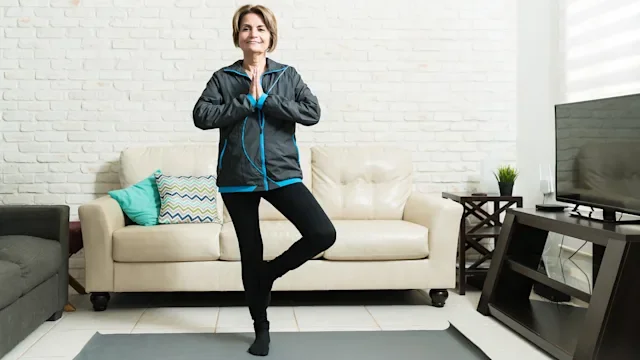
Similar to yoga, tai chi is another mind-body practice that can improve your flexibility. It has roots in Chinese martial arts, combining slow movements and postures with breathing. While it sounds similar to yoga, the movements and execution are different.
Research suggests tai chi improves flexibility, balance, and mobility, which can benefit older adults in particular. Other benefits include improvement in mood, cognition, and fitness.
8. Try Pilates
Pilates is a popular, low-impact workout that uses controlled movements and breathing. It focuses on core strength but works the entire body. Pilates can be done in-person with equipment or at home with a mat, making it accessible for most people.
Pilates is great for balance and posture. But research shows it also improves flexibility and functional mobility.
9. Make stretching a habit
Stretching should be an integral part of your everyday movement, said Kelby Church, a doctor of physical therapy practicing at Mountain River Physical Therapy in West Virginia.
You can make stretching a habit by creating a routine, he suggested. You might add morning and evening stretches to your schedule. Or you can take stretch breaks throughout the day, which is especially helpful if you sit all day at work.
“Taking small, manageable steps can be the key to long-term success,” Church said. “Also, remember that it’s never too late to start.”
10. Consult a professional
If lack of flexibility is limiting how much you can do, consider talking to a medical professional, Bahring said. Stretching may seem simple, but if you’re struggling, ask for help with flexibility.
“Physical therapists are trained to assess imbalances in mobility,” she said. “You can never stretch too much, but you can stretch too far. Having a specialist assist you when stretching, especially when it’s new to you, helps you become more flexible.”
Frequently asked questions
Flexibility varies from person to person. There are a few factors that can affect flexibility, like age, activity level, and fitness level. Certain medical conditions and previous or ongoing injury can play a role as well. For example, scar tissue or conditions that increase muscle tone can contribute to poor flexibility.
It depends on what your goal is. If you stretch multiple times a day, every day, for a week, you should be more flexible than when you started. But you’ll see more results if you keep at it for longer. And most people will lose those gains over time if they don’t continue working on their flexibility. This is especially true for those with sedentary jobs or lifestyles.
There isn’t one “best” exercise to increase flexibility. The key is to make flexibility training part of your routine. Performing stretches, mobility exercises, and breathing (as mentioned above) every day is your best bet.
Flexibility varies from person to person. There are a few factors that can affect flexibility, like age, activity level, and fitness level. Certain medical conditions and previous or ongoing injury can play a role as well. For example, scar tissue or conditions that increase muscle tone can contribute to poor flexibility.
It depends on what your goal is. If you stretch multiple times a day, every day, for a week, you should be more flexible than when you started. But you’ll see more results if you keep at it for longer. And most people will lose those gains over time if they don’t continue working on their flexibility. This is especially true for those with sedentary jobs or lifestyles.
There isn’t one “best” exercise to increase flexibility. The key is to make flexibility training part of your routine. Performing stretches, mobility exercises, and breathing (as mentioned above) every day is your best bet.
The bottom line
Flexibility isn’t just for the super bendy. Regular flexibility training can pay off in better mobility and lower injury risk. And there are strategies everyone can try for improved range of motion and muscle support.

Why trust our experts?




References
American Council on Exercise. (n.d.). Kneeling hip-flexor stretch.
American Council on Exercise. (n.d.). Lateral shuffles.
American Council on Exercise. (n.d.). Overhead triceps stretch.
American Council on Exercise. (n.d.). Standing dorsi-flexion (calf stretch).
American Council on Exercise. (n.d.). Walking lunges with twists.
Bahenský, P., et al. (2021). Impact of breathing intervention on engagement of abdominal, thoracic, and subclavian musculature during exercise, a randomized trial. Journal of Clinical Medicine.
Centers for Disease Control and Prevention. (2020). Measuring physical activity intensity.
Centers for Disease Control and Prevention. (2024). About water and healthier drinks.
de Oliveira, L. C., et al. (2016). Comparison between static stretching and the Pilates method on the flexibility of older women. Journal of Bodywork and Movement Therapies.
Edwards, M. (2012). Types of stretching. American Council on Exercise.
Gildenhuys, G. M., et al. (2013). Evaluation of Pilates training on agility, functional mobility and cardiorespiratory fitness in elderly women and fitness. African Journal for Physical Health Education, Recreation and Dance.
Huang, L., et al. (2015). Improvement of balance control ability and flexibility in the elderly Tai Chi Chuan (TCC) practitioners: A systematic review and meta-analysis. Archives of Gerontology and Geriatrics.
Lau, W. Y., et al. (2019). Water intake after dehydration makes muscles more susceptible to cramp but electrolytes reverse that effect. BMJ Open Sport & Exercise Medicine.
National Center for Complementary and Integrative Health. (2023). Tai chi: What you need to know. National Institutes of Health.
ProSource. (2015). Do it better: Dynamic warm-ups. American Council on Exercise.
Toussaint, L., et al. (2021). Effectiveness of progressive muscle relaxation, deep breathing, and guided imagery in promoting psychological and physiological states of relaxation. Evidence Based Complementary Alternative Medicine.
UC Davis Health. (n.d.) Flexibility.
Ullucci, P. A., et al. (2017). Dehydration reduces posterior leg and trunk flexibility and increases stiffness in male collegiate age runners. European Journal of Sports & Exercise Science.
UpNorthLive. (2013). Dynamic stretch: Heel sweep [video]. YouTube.
Woodyard, C. (2011). Exploring the therapeutic effects of yoga and its ability to increase quality of life. International Journal of Yoga.