Key takeaways:
Consumer Reports tested protein powders and found that two-thirds of them had dangerous amounts of lead.
Plant-based protein powders and shakes had higher levels of lead than animal-based ones.
Most people can meet their protein needs safely through whole foods instead of protein supplements.
Protein powders have become a pantry staple for gym-goers, busy parents, and anyone trying to eat more protein. But in October 2025, an investigation from Consumer Reports (CR) found that two-thirds of tested protein supplements contain concerning levels of lead — in some cases, far more than what experts say is safe to consume in a day. Some protein powders had over 10 times what’s considered a safe daily amount. And three products also contained concerning levels of arsenic and cadmium.
If you use protein powder regularly, here’s what you need to know. We’ll list which brands CR found had the highest and lowest levels, what this means for you and your health, and how to protect yourself from unnecessary heavy-metal exposure.
What is lead and why is it dangerous?
Lead is a heavy metal that can be toxic when it builds up in the body. It exists naturally in the Earth’s crust. But modern-day pollution means lead now contaminates many different parts of our environment — from soil to household products.
Lead gets into our bodies when we come into contact with contaminated soil, water, or food. Infrequent exposures are unlikely to cause health problems. But over time, repeated exposure can cause lead to collect in different parts of the body.
The health effects of lead depend on how much you’re exposed to, and how long you’re exposed for. Symptoms aren’t always obvious at first. Usually, they develop over time. This can make them hard to recognize.
In adults, chronic lead exposure has been linked to:
For children and pregnant people, the risks are even greater. Lead can interfere with brain and nervous system development, potentially causing learning and behavioral problems.
Why is there lead in protein supplements?
Lead isn’t added to protein powders on purpose. But it contaminates these products in a few different ways:
Environmental contamination: Many protein powders are made from plants like peas, rice, or soy. Plant foods can absorb lead from soil, water, or air as they grow. Plants can also absorb other heavy metals like cadmium or arsenic.
Contamination through the food chain: Animal-based protein powders made from cow’s milk products (whey, casein), eggs, or beef are also at risk. They can become contaminated with lead through animal feed, drinking water, and soil.
Lead contamination from the manufacturing process: Making protein powders involves several industrial steps: grinding, filtering, and drying. At every step, there is potential for contamination.
Are protein powders regulated?
The FDA doesn’t test or approve dietary supplements before they’re sold. Manufacturers are responsible for ensuring their own products are safe and accurately labeled. The FDA gets involved if a product is found to be unsafe or contaminated.
The FDA has issued guidance on acceptable levels of lead in certain foods like candy, baby food, and water. But there’s no federal limit for lead in protein powders or dietary supplements. The government advises companies to keep their products free of harmful contaminants. But these companies set their own testing and safety standards.
What is a ‘concerning’ level of lead?
Experts — including the American Academy of Pediatrics (AAP), the CDC, the FDA, and the Environmental Protection Agency (EPA) — agree there’s no safe level of lead exposure.
Any amount of lead in food products is concerning — especially if people eat these foods regularly. But it’s impossible to avoid any traces of lead in food. A 2019 analysis estimates the average adult in the U.S. is exposed to up to 5.3 mcg of lead each day through their diet, water, or environment.
Consumer Reports based its “level of concern” on California’s Proposition 65’s maximum dose level of 0.5 mcg per day. Their maximum dose level of lead is far lower than most federal guidelines. As a point of comparison, the FDA advises the following:
Children should not consume more than 2.2 mcg of lead per day.
Women of reproductive age should not exceed 8.8 mcg of lead per day.
In the most recent CR report, some of the protein supplements contained as much as 6 mcg or 7 mcg of lead per serving.
Which protein powders have the highest levels of lead?
According to the investigation by Consumer Reports, the following protein products had high levels of lead:
Naked Nutrition Vegan Mass Gainer (Vanilla) contained about 7.7 mcg of lead per serving — more than 1,500% of CR’s safety threshold.
Huel Black Edition (Chocolate) had about 6.3 mcg of lead per serving, and high levels of cadmium.
Garden of Life Sport Organic Plant-Based Protein (Vanilla) tested several times above CR’s limit.
Momentous 100% Plant Protein (Chocolate Flavor) also tested several times above CR’s limit. This product has since been discontinued.
The following protein products contained up to 2.5 times CR’s safety threshold. CR experts recommend these should be consumed only occasionally, not daily:
MuscleMeds Carnivor Mass (Chocolate Peanut Butter)
Jocko Fuel Mölk Protein Shake (Chocolate)
Vega Premium Sport Plant-Based Protein (Chocolate), which has been renamed and reformulated with pea products from North America
Quest Protein Shake (Chocolate)
Orgain Organic Plant-Based Protein Powder (Vanilla Bean)
Optimum Nutrition Gold Standard Protein Shake (Chocolate)
Equip Foods Prime Protein (Chocolate)
PlantFusion Complete Protein (Creamy Vanilla Bean)
Ensure Plant-Based Protein Nutrition Shake (Chocolate)
Muscle Milk Pro Advanced Nutrition Protein Shake (Chocolate)
KOS Organic Superfood Plant Protein (Vanilla)
Optimum Nutrition Serious Mass (Vanilla) is another one to limit to occasional use, due to its higher than recommended levels of arsenic.
Which protein powder does not have lead?
The good news: A few products tested by Consumer Reports had very low or undetectable levels of lead.
Only one protein supplement had no detectable levels of lead:
Muscle Tech 100% Mass Gainer (Vanilla Milkshake)
These products had very low lead levels:
Momentous Whey Protein Isolate (Vanilla)
Dymatize Super Mass Gainer (Gourmet Vanilla)
Optimum Nutrition Gold Standard 100% Whey (Chocolate)
BSN Syntha-6 Protein Powder (Vanilla Ice Cream)
These products had higher levels of lead but low enough to be considered safe for one serving per day:
Owyn Pro Elite High Protein Shake (Chocolate)
Transparent Labs Mass Gainer (Sweet Vanilla)
How can you avoid heavy metals in protein powders?
The best way to avoid lead contamination in your protein supplements is to cut them out. That doesn’t mean cutting back on your protein intake. Most people get all the protein they need from a nutritious and well-balanced diet.
But if you’re looking to supplement your protein intake with powders or shakes, then the following five tips can help you avoid heavy-metal exposure.
1. Get your protein from food first
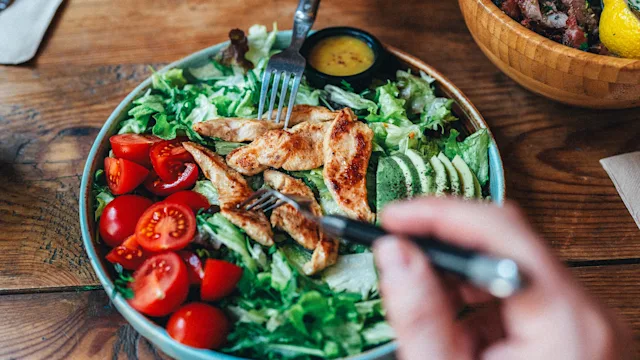
Whole foods are the best source of protein. In addition to protein, you get a wide array of other essential nutrients from them. Greek yogurt, eggs, chicken, beans, lentils, tofu, and fish all provide high-quality protein without the contamination risk.
2. Choose animal-based powders if possible
Overall, whey- and dairy-based protein products had the lowest lead levels in testing. If you’re not vegan or lactose-intolerant, a high-quality whey isolate or casein protein may be the safer choice.
3. Check for independent testing
Look for products certified by NSF International or Informed Sport — these independent programs test supplements for contaminants and verify label accuracy. A few brands, like Momentous and Transparent Labs, publish their heavy-metal test results online. Others, like KOS and Equip Foods, say they’ll share results with consumers upon request.
4. Avoid powders with Proposition 65 warnings
California’s Prop 65 law requires warning labels on products that contain certain chemicals above set levels — including lead. If a protein powder has a Prop 65 warning, it’s best to skip it.
5. Watch your serving size and frequency
Even among lower-lead products, daily use isn’t always a good idea. Most people are already exposed to trace amounts of lead daily through our water, food, and environment. So it’s best to limit protein powders to occasional use rather than making them a daily habit.
What should you do if you’ve consumed protein supplements with lead?
Don’t panic — short-term use isn’t likely to cause harm. The biggest concern with lead is long-term, cumulative exposure.
If you’ve been using a product named in the CR report, stop using it.
Talk with a healthcare professional if:
You’re pregnant, breastfeeding, or planning to become pregnant.
You have young children who may have also consumed the product.
You’ve used a high-lead powder daily for months or longer.
A blood lead level test can measure recent exposure, but it won’t show how much lead may have accumulated in your body over time. There’s no commercially available test that can do that.
If your blood lead level is high, your primary care provider can help you identify and lower your exposure, and order repeat testing to check that it’s coming down. For most healthy adults, there’s no need for medical treatment, beyond swapping out contaminated products for cleaner alternatives.
The bottom line
Protein powders are becoming more popular, but they’re not risk free. In fact, because of the way they’re processed, heavy-metal contamination is a widespread issue.
If you rely on a protein shake for breakfast or postworkout recovery, it’s a good idea to cut this out of your daily routine. Or switch to one of the safer products. Look for third-party testing, avoid products with Proposition 65 warnings, and limit use to a few times a week or less, rather than every day.
Most importantly, remember that protein supplements aren’t the only way to hit your protein goals. A balanced diet with real foods isn’t only safer — it’s also better for your long-term health.

Why trust our experts?



References
American Academy of Pediatrics. (2025). Lead exposure in children.
Centers for Disease Control and Prevention. (2024). CDC updates blood lead reference value.
Gavelek, A., et al. (2020). Lead exposures in older children (males and females 7–17 years), women of childbearing age (females 16–49 years) and adults (males and females 18+ years): FDA total diet study 2014–16. Food Additives & Contaminants: Part A.
Informed Sport. (n.d.). Informed Sport certified supplement brands.
Martineau, P. (2025). Protein powders and shakes contain high levels of lead. Consumer Reports.
Melse-Boonstra, A. (2020). Bioavailability of micronutrients from nutrient-dense whole foods: Zooming in on dairy, vegetables, and fruits. Frontiers in Nutrition.
National Science Foundation. (n.d.). Supplements, nutritional foods, and personal care product testing.
State of California Office of Environmental Health Hazard. (n.d.). Lead.
State of California Office of Environmental Health Hazard. (n.d.). Proposition 65.
U.S. Environmental Protection Agency. (2025). Actions to reduce potential lead exposure.
U.S. Environmental Protection Agency. (2025). Learn about lead.
U.S. Food and Drug Administration. (2024). Dietary supplements.
U.S. Food and Drug Administration. (2024). Questions and answers on dietary supplements.
U.S. Food and Drug Administration. (2025). Action levels for lead in processed food intended for babies and young children: Guidance for industry.
U.S. Food and Drug Administration. (2025). Lead in food and foodwares.