Key takeaways:
Your diet plays a role in determining how long you’ll live and how healthy you’ll be as you age.
A balanced, nutrient-rich diet can potentially increase your lifespan and reduce your risk of chronic diseases.
Your diet is just one factor that influences longevity. Other things matter, too, including exercise, sleep, stress, and social connections.
Longevity is a hot topic these days. You’ll see people claiming that they’re unlocking ways to live far beyond the average person’s life expectancy.
When it comes to trying to extend your lifespan, your diet matters. In fact, it’s one of the most important things you can do to increase your chances of living a long and healthy life. And the good news? There are many options that might help.
Can what you eat help you live a longer life?
Yes, it’s certainly possible that what you eat can help you live longer.
Longevity is a complicated topic. It’s partly determined by factors beyond your control, such as your genetics. But your lifespan is also determined by factors that you can control, including your diet and your lifestyle.
What you put into your body every day impacts the years of your life. Certain foods have been linked to longer life expectancy and a lower risk of chronic diseases. And research has shown that sustained, nutritious dietary changes may even increase life expectancy.
How are diet and life expectancy linked?
Diet and life expectancy are connected. Here are a just a few ways that food affects your health and lifespan:
Food provides nourishment. Eating nutritious foods can help your body stay strong and healthy by providing it with essential vitamins, minerals, and macronutrients.
Food affects your risk of chronic diseases. Certain foods can increase or decrease your risk of health conditions, such as obesity, Type 2 diabetes, and cardiovascular disease.
Food affects inflammation. The foods you eat can affect inflammation in your body. Inflammation is linked to health problems, like cancer and diabetes. It’s also part of the aging process (known as “inflamm-aging”).
Food can help your body’s DNA repair itself. DNA damage occurs naturally as you age. Some components in your diet can help with DNA repair, such as selenium, zinc, and vitamin C.
Food can affect your gut microbiome. What you eat determines your gut microbiome, which could impact aging through its role in immune function and inflammation.
What are the best foods for a long life?
Here are some foods that might help to prevent disease and increase life expectancy:
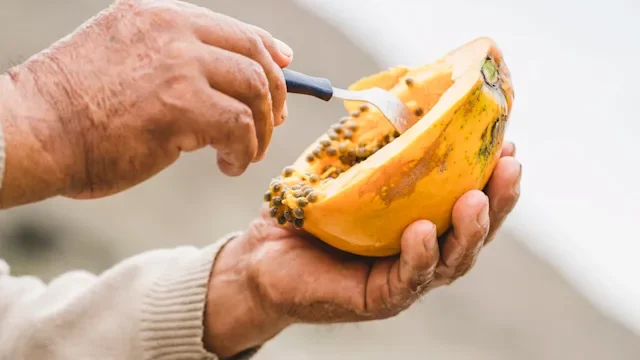
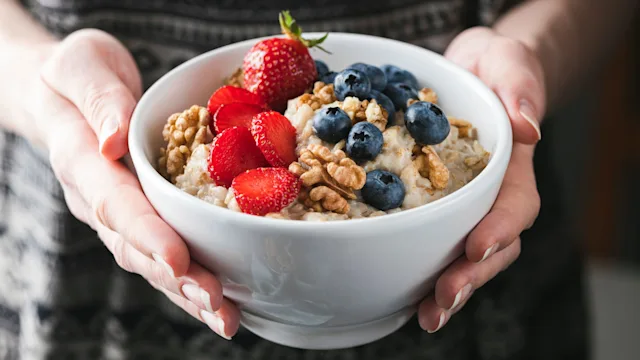
Fruits and vegetables: These are rich in vitamins, antioxidants, and healthy fiber. And eating fruits and vegetables is linked to lower rates of heart disease, stroke, and even certain cancers.
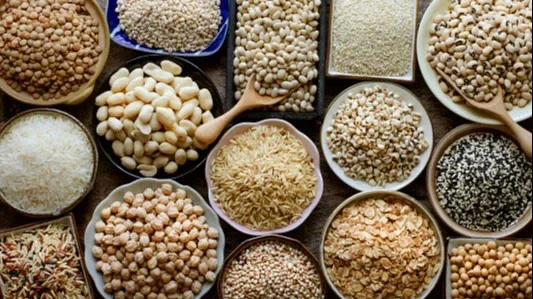
Whole grains: Whole grain foods include brown rice, oats, and whole wheat. These foods provide important nutrients, like fiber, B vitamins, and minerals. Whole grains have been linked to lower risk of heart disease, Type 2 diabetes, and some cancers.
Healthy fats: Healthy fats provide essential fatty acids that support heart and brain health. They’re found in many foods, such as olive oil, avocados, nuts, and fatty fish (like salmon). Healthy fats can help to improve cholesterol and reduce inflammation. They’re also linked to lower rates of heart disease.
Legumes: Legumes include foods like beans, lentils, and chickpeas. They’re high in protein, fiber, vitamins, and minerals. In many research studies, eating legumes has been linked to longevity.
Lean proteins: Lean proteins are proteins that have less saturated fat. Examples include poultry, fish, tofu, and legumes. Choosing lean proteins may be good for your health, especially since eating a lot of red and processed meats is linked to an increased risk of heart disease and cancer.
What is the best diet for a long life?
There’s no one best diet when it comes to longevity. Rather, the best diet for you depends on your own personal needs, preferences, and health.
However, we do know that certain eating patterns seem to be linked to better health — and a longer life. These include:
Mediterranean diet: The Mediterranean diet emphasizes plant-based foods, nuts, and healthy fats, like olive oil. It’s been linked to a lower risk of heart disease, cancer, and other health conditions. It’s also been linked to lower mortality rates in women.
Healthful, plant-based diet: A plant-based diet high in vegetables, fruits, and legumes is associated with improved health and longevity.
DASH diet: The DASH diet (Dietary Approaches to Stop Hypertension diet) was initially designed to help lower blood pressure. It’s high in fruits, vegetables, and lean protein. And it’s low in meat, salt, and sugary foods. It’s been linked to improved longevity, improved heart health, and lower mortality rates.
Blue zones diet: Blue zones are areas of the world where people live longer, with fewer health problems. Studying these specific areas have helped researchers better understand what contributes to increased lifespan. One thing they found is that certain blue zone diet foods are a big factor.
What do these diets have in common?
What these diets have in common is eating more plant-based foods, such as:
Fruits
Vegetables
Nuts
Legumes
Whole grains

Read more like this
Explore these related articles, suggested for readers like you.




These diets also cut back on processed foods, saturated fats, and added sugar and salt.
What foods most negatively affect your life expectancy?
When it comes to living a long, healthy life, there are some foods you may want to avoid.
Foods to consider cutting down on include:
Processed foods: Processed foods and ultra-processed foods include fast food, soda, and packaged meals and snacks. They tend to have a lot of unhealthy fats, extra sugar, and other less-nutritious ingredients. There’s some evidence that eating these types of foods can shorten your lifespan.
Processed meats: This includes foods like lunch meat, hot dogs, and bacon. Eating these types of meat directly increases your risk for certain types of cancer.
Sweetened beverages: These include sugar-sweetened beverages, like sodas, juices, or energy drinks. Drinking sweetened beverages daily is linked to shorter life spans.
Foods high in trans fats: Trans fats are found in margarine, fried foods, and many processed baked goods. According to the World Health Organization, trans fats are linked to premature (early) deaths from heart disease.
Alcohol: This includes beer, wine, hard liquor, and other types of alcohol. Drinking alcohol — even in moderation — can potentially shorten your life expectancy and increase your risk for cancer.
What other things can you do to increase your life expectancy?
While diet is a big factor in longevity, there are many other factors that matter, too.
Here are some other habits that are linked to living a longer, healthier life:
Getting regular exercise or movement
Getting good-quality sleep
Limiting your alcohol use
Reducing stress
Maintaining social connections
Managing your current medical conditions as well as possible
Maintaining a BMI of less than 25
The bottom line
Longevity is a popular topic these days. And the dietary choices you make definitely matter for how healthy you are — and how long you may live.
Even though there’s no “one-size-fits-all” diet for a long life, it’s important to eat nutrient-dense foods, healthy proteins, and fats, and to avoid processed foods. And remember, your diet is only one factor in the quest for health and longevity. Other things are important, too, like reducing stress and maintaining personal relationships, as well as getting quality sleep and regular physical activity.

Why trust our experts?




References
Ahmad, S., et al. (2024). Mediterranean diet adherence and risk of all-cause mortality in women. JAMA Network Open.
American College of Lifestyle Medicine. (n.d.). The benefits of plant-based nutrition: Longevity and quality of life.
Bakalar, N. (2019). Sugary drinks tied to shorter life span. The New York Times.
Fadnes, L. T., et al. (2023). Life expectancy can increase by up to 10 years following sustained shifts towards healthier diets in the United Kingdom. Nature Food.
Farvid, M. S., et al. (2021). Consumption of red meat and processed meat and cancer incidence: A systematic review and meta-analysis of prospective studies. European Journal of Epidemiology.
Guasch-Ferré, M., et al. (2021). The Mediterranean diet and health: A comprehensive overview. Journal of Internal Medicine.
Herpich, C., et al. (2022). Role of plant-based diets in promoting health and longevity. Maturitas.
Kaźmierczak-Barańska, J., et al. (2020). Nutrition can help DNA repair in the case of aging. Nutrients.
LaMotte, S. (2023). These 8 habits could add up to 24 years to your life, study says. CNN Health.
LaMotte, S. (2024). Here’s how to eat to live longer, new study says. CNN Health.
LaMotte, S. (2024). These ultraprocessed foods may shorten your life, study says. CNN Health.
Lubell, J. (2023). Diet patterns that can boost longevity, cut chronic disease. American Medical Association.
National Heart, Lung, and Blood Institute. (2021). DASH eating plan. National Institutes of Health.
National Institutes of Health. (2018). Healthy habits can lengthen life.
Office of Dietary Supplements. (2023). Omega-3 fatty acids. National Institutes of Health.
Roundtable on Population Health Improvement, et al. (2015). Lessons from the Blue Zones. Business Engagement in Building Healthy Communities: Workshop Summary.
Shi, W. (2023). Red meat consumption, cardiovascular diseases, and diabetes: A systematic review and meta-analysis. European Heart Journal.
Soltani, S., et al. (2020). Adherence to the dietary approaches to stop hypertension (DASH) diet in relation to all-cause and cause-specific mortality: A systematic review and dose-response meta-analysis of prospective cohort studies. Nutrition Journal.
Vila, J. (2021). Social support and longevity: Meta-analysis-based evidence and psychobiological mechanisms. Frontiers in Psychology.
Wilmanski, T., et al. (2021). Gut microbiome pattern reflects healthy aging and predicts survival in humans. Nature Metabolism.
Zargarzadeh, N., et al. (2023). Legume consumption and risk of all-cause and cause-specific mortality: A systematic review and dose–response meta-analysis of prospective studies. Advances in Nutrition.