





Choosing ADHD Medication: A Guide for Adults and Children
How do you choose the best medication for attention-deficit hyperactivity disorder (ADHD)? Here’s what you need to know about ADHD medications, from how they work to the risks.
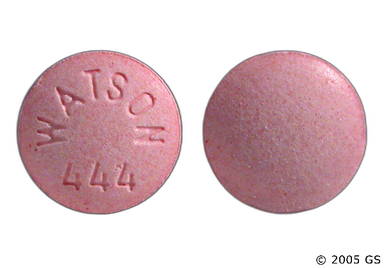
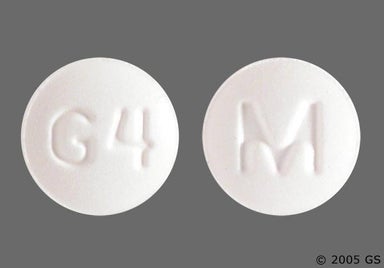
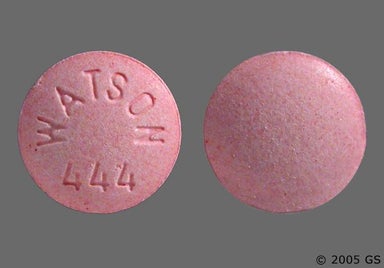
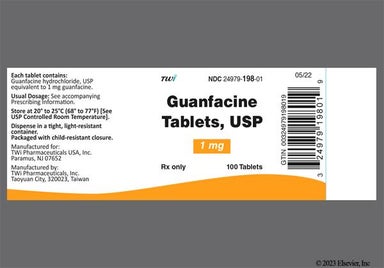
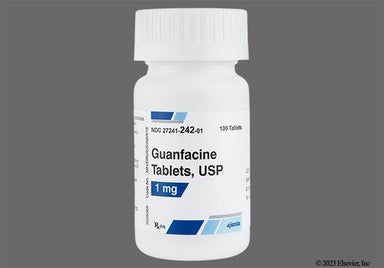
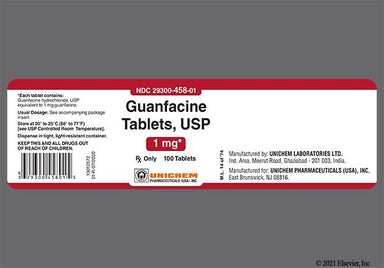
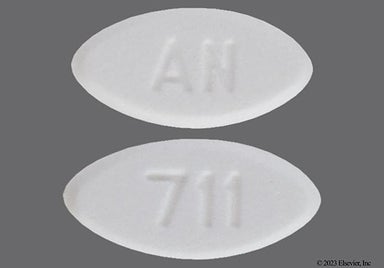
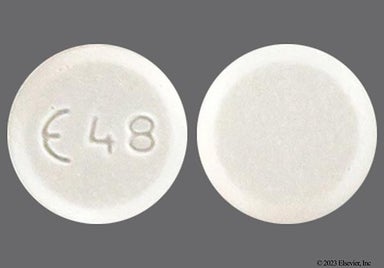
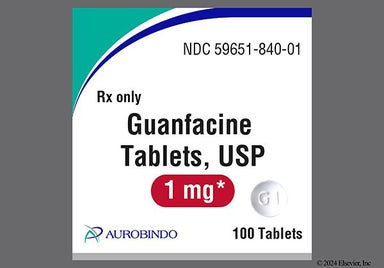
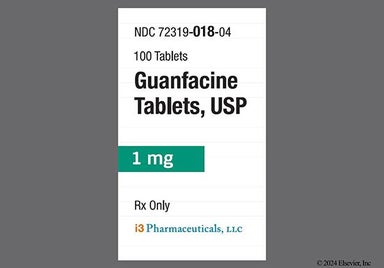
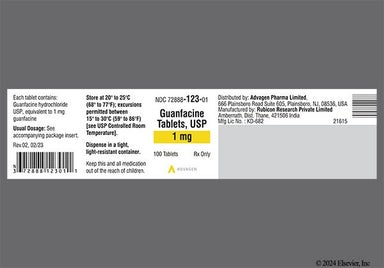
Guanfacine is used to treat high blood pressure, but it's not a first-choice option. It's taken by mouth, typically once a day at nighttime. Common side effects of guanfacine include sleepiness, dizziness, and dry mouth. Some medications, such as sleep medications or certain pain medications, can interact with guanfacine by worsening those side effects. The brand name Tenex is no longer available.

Guanfacine is an alpha-2 agonist. It works by binding (attaching) to alpha-2 receptors in the brain. This lowers the amount of norepinephrine, a chemical that normally raises your blood pressure by squeezing your blood vessels.
| Common Brands | Tenex |
|---|---|
| Drug Class | Alpha-2 adrenergic receptor agonist |
| Controlled Substance Classification | Not a controlled medication |
| Generic Status | Lower-cost generic available |
| Availability | Prescription only |

The following side effects may get better over time as your body gets used to the medication. Let your healthcare provider know immediately if you continue to experience these symptoms or if they worsen over time.
Contact your healthcare provider immediately if you experience any of the following.
Along with its needed effects, a medicine may cause some unwanted effects. Although not all of these side effects may occur, if they do occur they may need medical attention.
Check with your doctor immediately if any of the following side effects occur:
More common
Blurred vision
confusion
dizziness, faintness, or lightheadedness when getting up suddenly from a lying or sitting position
sweating
unusual tiredness or weakness
Less common
Chest pain or discomfort
difficulty with breathing
fast, slow, pounding, or irregular heartbeat
increased need to urinate
lightheadedness, dizziness, or fainting
mental depression
noisy breathing
passing urine more often
tightness in the chest
Incidence not known
Agitation
back pain
cracks in the skin
drowsiness
fast, pounding, or irregular pulse
feeling of constant movement of self or surroundings
headache
irritability
loss of consciousness
loss of heat from the body
mood or mental changes
numbness or tingling in the arms, legs, or face
red, swollen skin
seeing or hearing things that are not there
seizures
sensation of spinning
stiff neck
swelling
vomiting
weakness
Get emergency help immediately if any of the following symptoms of overdose occur:
Symptoms of overdose
Dizziness (extreme) or faintness
unusual tiredness or weakness (severe)
Some side effects may occur that usually do not need medical attention. These side effects may go away during treatment as your body adjusts to the medicine. Also, your health care professional may be able to tell you about ways to prevent or reduce some of these side effects. Check with your health care professional if any of the following side effects continue or are bothersome or if you have any questions about them:
More common
dizziness
dryness of the mouth
sleepiness or unusual drowsiness
unusual dullness or feeling of sluggishness
upper abdominal or stomach pain
Less common
Belching
decreased appetite
decreased sexual ability
dry, itching, or burning eyes
indigestion
lack or loss of strength
paleness of the skin
stomach discomfort, upset, or pain
trouble with sleeping
Incidence not known
Change in taste
decreased interest in sexual intercourse
difficulty in moving
general feeling of discomfort or illness
hair loss, thinning of hair
inability to have or keep an erection
joint pain or swelling
leg cramp or pain
loss in sexual ability, desire, drive, or performance
muscle ache, cramp, pain, or stiffness
seeing or hearing things that are not there
After you stop using this medicine, it may still produce some side effects that need attention. During this period of time, check with your doctor immediately if you notice the following side effects:
Anxiety or tenseness
increased salivation
nervousness or restlessness
shaking or trembling of the hands and fingers
stomach cramps
sweating
Other side effects not listed may also occur in some patients. If you notice any other effects, check with your healthcare professional.
Call your doctor for medical advice about side effects. You may report side effects to the FDA at 1-800-FDA-1088.




Guanfacine can cause some serious health issues. This risk may be even higher for certain groups. If this worries you, talk to your doctor or pharmacist about other options.
Guanfacine can cause extreme sleepiness and drowsiness, especially if you're taking higher doses. This can affect your ability to think, react, and focus. Your risk is higher if you're also taking other medications that can cause drowsiness, such as benzodiazepines, anxiety medications, muscle relaxants, and sleep medications. Make sure you know how this medication affects you before driving a car or doing activities that require your concentration. Talk to your healthcare provider right away if you feel too sleepy from guanfacine.
Don't suddenly stop taking guanfacine without first talking with your provider. Doing so can lead to side effects, such as nervousness and anxiety. More rarely, it can lead to high blood pressure. If you want to stop guanfacine, your provider can help you do so safely by lowering your dose slowly over time.

The typical recommended dose is 1 mg by mouth once a day at bedtime. If needed, your provider might raise your dose after 3 to 4 weeks. The maximum recommended dose is 2 mg once a day.

Although certain medicines should not be used together at all, in other cases two different medicines may be used together even if an interaction might occur. In these cases, your doctor may want to change the dose, or other precautions may be necessary. When you are taking this medicine, it is especially important that your healthcare professional know if you are taking any of the medicines listed below. The following interactions have been selected on the basis of their potential significance and are not necessarily all-inclusive.
Using this medicine with any of the following medicines is usually not recommended, but may be required in some cases. If both medicines are prescribed together, your doctor may change the dose or how often you use one or both of the medicines.
Using this medicine with any of the following medicines may cause an increased risk of certain side effects, but using both drugs may be the best treatment for you. If both medicines are prescribed together, your doctor may change the dose or how often you use one or both of the medicines.





Prescription savings
Stop paying too much for your prescriptions. Compare prices, get pharmacy coupons, and save up to 80%. Find expert answers to your health questions so you can make the best decisions for yourself and your family.
Health conditions
Medications & treatment
Access & affordability
 Our monthly healthcare membership can help you save thousands on your prescription costs.
Resources

When you first start Guanfacine, it might take up to 3 to 4 weeks before you see a noticeable difference in your blood pressure. Your provider will start you on a lower dose to minimize your risk of side effects, such as dizziness and drowsiness. Depending on your blood pressure reading and what side effects you experience, your provider might raise your dose slowly over time. Keep in mind that it can take some time before your provider finds a dose that works best for you. Talk with your provider if you're not sure whether this medication is working for you.
How long the side effects of Guanfacine last can differ for each person. Many of the common side effects, such as dizziness, drowsiness, and constipation, generally get better over time as you continue to take Guanfacine. And depending on what side effects you experience, your provider can recommend ways to help you manage them. For example, if you have dry mouth, consider drinking more water and also chewing gum or sucking on ice chips to help. If you're experiencing constipation, you can try adding more fiber to your diet or engaging in regular exercise. If the side effects are difficult to manage, your provider might lower the dose of Guanfacine or consider other medications for your blood pressure.
People didn't report weight gain as a side effect of Guanfacine in clinical studies. If you experience weight gain after starting Guanfacine, let your provider know. They can help you figure out what factors might be contributing to weight gain.
Guanfacine is typically taken at night. This is because Guanfacine commonly causes sleepiness and dizziness, so taking it at night can help you avoid feeling these effects. But if you don't have these side effects and prefer to take Guanfacine at a different time, let your provider know. They might recommend that you take this medication at a time that works for you.
In clinical trials, people who took Guanfacine 1 mg to 3 mg once daily for 1 to 2 months (and no other blood pressure medications) saw their systolic blood pressure (the top number) lower by 8 mmHg to 15 mmHg. In addition, they notice their diastolic blood pressure (the bottom number) lower by 9 mmHg to 12 mmHg. Keep in mind everyone responds differently to Guanfacine. Your provider will monitor how well Guanfacine is working for you and adjust your dose as needed.
Immediate-release Guanfacine is only FDA-approved to lower blood pressure. But the long-acting version of this medication, called guanfacine (Intuniv) extended-release, is approved to treat ADHD.
