





A Guide to COPD Inhalers
COPD inhalers may contain short- or long-acting medication, and there are a variety of devices on the market. Compare the best COPD inhalers with this guide.
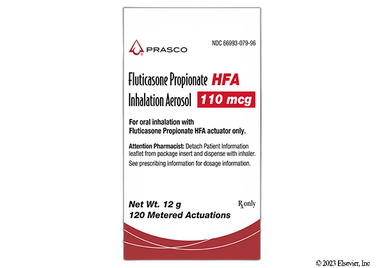
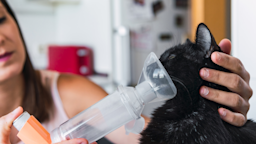
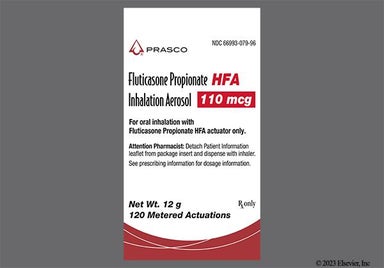
Fluticasone propionate HFA (also known as Flovent HFA) is a steroid inhaler. Vets often prescribe it off-label for cats and dogs to treat inflammatory airway problems. This includes breathing or lung problems like asthma. The dosage depends on your pet’s weight and how severe their lung condition is. It’s usually used twice every day with a spacer and face mask made for pets. Side effects are rare but can include a sore throat or being more thirsty or hungry. Fluticasone propionate HFA isn’t used as a rescue inhaler.

Fluticasone propionate HFA is an inhaled corticosteroid (ICS). It helps stop the body from releasing chemicals that cause inflammation (swelling). This helps lower inflammation.
Since this steroid gets breathed in, it mainly works to control inflammation in the lungs. This helps open up the airways and makes it easier for your pet to breathe.
| Common Brands | Flovent HFA |
|---|---|
| Drug Class | Inhaled corticosteroid (ICS) |
| Controlled Substance Classification | Not a controlled medication |
| Generic Status | Lower-cost generic available |
| Availability | Prescription only |

The following side effects might get better over time as your pet gets used to the medication. Let your veterinarian know immediately if your pet continues to experience these symptoms or if they worsen over time.
Contact your veterinarian immediately if your pet experiences any of the following.
Side effects that you should report to your care team as soon as possible:
Side effects that usually do not require medical attention (report to your care team if they continue or are bothersome):



Tips on how to use the fluticasone propionate HFA inhaler

Fluticasone propionate HFA can cause some serious health issues. This risk might be even higher for certain pets. If this worries you, talk to your veterinarian about other options.
If your pet needs to use fluticasone propionate HFA for a long time or if you give them too much, it can possibly affect your pet’s cortisol levels. Cortisol is a hormone that the body makes to handle physical stress.
Fluticasone propionate HFA works like cortisol. When there’s too much cortisol in your pet’s body, it can cause a condition called Cushing’s disease. Signs include being more hungry and thirsty, urinating more, and panting. Your pet might also get a dull coat, lose fur, or gain weight around the belly. If you see any of these signs, call your veterinarian right away.
Fluticasone propionate HFA can sometimes weaken your pet’s immune system. This can make it easier for them to get sick. It’s more likely to happen when your pet needs to take fluticasone propionate HFA for a long time.
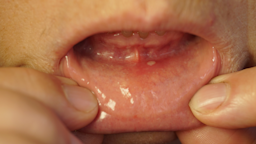
Some infections have included a mite infection around a dog’s nose or a mouth infection called oral thrush. To help prevent thrush, wipe your pet’s mouth with a wet cloth or have them drink water each time after using the inhaler. Talk to a vet if you think your dog has an infection while using fluticasone propionate HFA.

 Hfa inhaler
| Dosage | Quantity | Price as low as | Price per unit |
|---|---|---|---|
| 44mcg | 1 hfa inhaler | $136.10 | $136.10 |
| 110mcg | 1 hfa inhaler | $165.09 | $165.09 |
| 220mcg | 1 hfa inhaler | $251.43 | $251.43 |
The dose depends on how much your pet weighs and how severe their lung problem is. Pets breathe in the medication through their mouth.
In general, the dose is as follows.
Cats and dogs weighing 44 lbs or less: The typical dose is 110 mg (one puff of the 110 mcg inhaler) every 12 hours.
Dogs weighing more than 44 lbs: The typical dose is 220 mcg (one puff of the 220 mcg inhaler) every 12 hours.











Prescription savings
Stop paying too much for your prescriptions. Compare prices, get pharmacy coupons, and save up to 80%. Find expert answers to your health questions so you can make the best decisions for yourself and your family.
Health conditions
Medications & treatment
Access & affordability
 Our monthly healthcare membership can help you save thousands on your prescription costs.
Resources

Sometimes, dogs need to take prednisone and Fluticasone propionate HFA together. But it's usually for a short time. This is the case when starting the Fluticasone propionate HFA inhaler or switching from prednisone. Vets often give oral steroids like prednisone together with the inhaler for the first 10 to 14 days of treatment. This helps your dog feel better while waiting for Fluticasone propionate HFA to start working. And if your dog switches to the inhaler after taking prednisone for a long time, the vet will slowly lower the prednisone dose. They’ll start the inhaler during the switch to help keep symptoms under control. Talk to your vet about giving prednisone and Fluticasone propionate HFA together.
Fluticasone propionate HFA is safe for most dogs, but some might have side effects like a sore throat. If your dog uses it for a long time, there’s a risk that they could get symptoms similar to Cushing’s disease. This includes being very thirsty or hungry, urinating often, gaining weight around the belly, and having changes in their coat. If you see these signs, talk to your vet.
Before giving Fluticasone propionate HFA to your dog, shake the inhaler for 5 seconds to mix the medication inside. Use the spacer and mask made for your dog’s snout as your vet tells you to. Gently hold the mask to their snout to make a good seal. Press down on the canister to give 1 puff of medication. Let your dog take about 7 to 10 breaths as you keep holding the mask to their snout. Afterwards, wipe their tongue or give them some water to rinse their mouth. Ask your vet about how to use the Fluticasone propionate HFA inhaler with your dog.
You can buy Fluticasone propionate HFA for cats at most regular pharmacies if you have a prescription for it from a licensed veterinarian. This medication is actually approved for people. But vets often use it for cats because there’s no pet version. Ask your vet or pharmacist where to get Fluticasone propionate HFA for your cat.
Yes, Fluticasone propionate HFA is a steroid that helps with certain lung problems in cats and dogs. This steroid medication comes as an inhaler, and your pet breathes it in through the mouth. Inhaled steroids like Fluticasone propionate HFA can sometimes cause a fungal infection in the mouth called thrush. This can look like white or yellow patches in the mouth. To help prevent this, wipe your pet’s tongue with a wet cloth or give them water after each inhalation.
Yes. Fluticasone propionate HFA expires after the date printed on the box and on the canister inside the inhaler. After this expiration date, it’s not clear if the medication works well or is safe for your pet. Ask your pharmacist for a refill if it’s past the expiration date.
