



Stimulants: Understanding the Uses and Risks
Stimulant drugs are substances that speed up the body’s systems. Learn about the different types of stimulants, their uses, side effects, and potential for addiction.
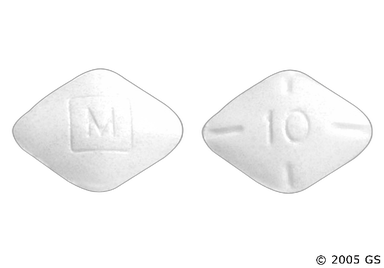
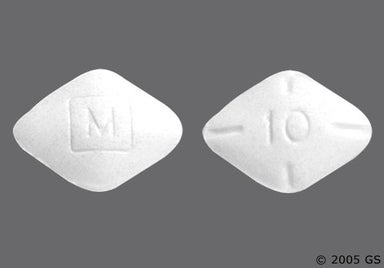
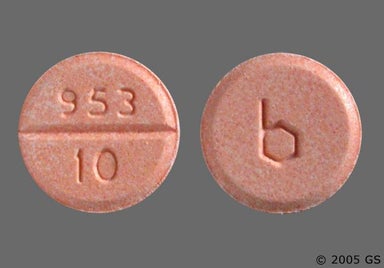
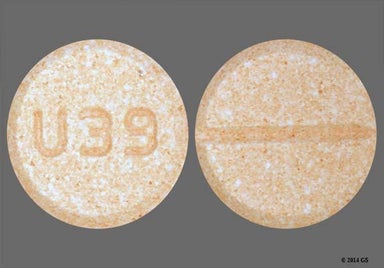
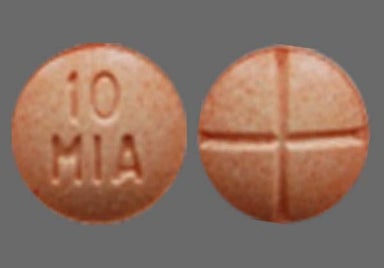
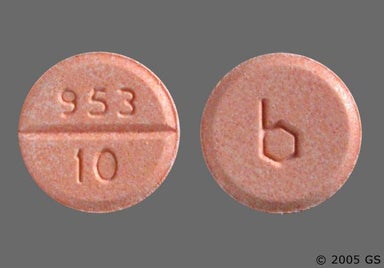
Dextroamphetamine is used for the treatment of attention deficit-hyperactivity disorder (ADHD). It can also be used to treat uncontrollable daytime sleepiness (narcolepsy). Some side effects of the medication include difficulty sleeping, restlessness, and loss of appetite (that might lead to possible weight loss).

Dextroamphetamine is a stimulant medication. It's not exactly known how dextroamphetamine helps to improve attention and focus. But it's thought to work by raising the levels of chemicals in your brain called norepinephrine, dopamine, and serotonin.
| Common Brands | Dexedrine Spansule, ProCentra, Zenzedi |
|---|---|
| Drug Class | Stimulant |
| Controlled Substance Classification | Schedule II |
| Generic Status | Lower-cost generic available |
| Availability | Prescription only |

Dextroamphetamine can cause some serious health issues. This risk may be even higher for certain groups. If this worries you, talk to your doctor or pharmacist about other options.
 Dextroamphetamine has a risk of misuse and dependence. Misuse is when a medication is used differently than how it's prescribed. Misusing dextroamphetamine raises your risk for serious and sometimes life-threatening side effects, such as high heart rate, high blood pressure, other heart problems, and changes in behavior. In addition, over time, you can become physically dependent on dextroamphetamine to function normally. And if you develop dependence, you might have bothersome withdrawal symptoms if you stop taking the medication suddenly after you've taken it for a long time. These symptoms include irritability, nightmares, and sleep problems. Because of these risks, it's important to take dextroamphetamine exactly as prescribed to you. Don't change the dose or how often you take it without talking to your provider first.
There have been reports of sudden death, stroke, and heart attack in people with heart problems who took dextroamphetamine at usual doses. Dextroamphetamine can also raise your blood pressure and heart rate. Tell your healthcare provider if you have a history of heart problems before starting dextroamphetamine to make sure it's safe for you to take. Your provider will check for heart problems before starting treatment. Let your provider know if you experience unexplained fainting, chest pain with physical activity, or irregular heartbeat while you're taking dextroamphetamine.
Some people who've taken a stimulant like dextroamphetamine can have mental health problems, such as hallucinations (seeing things that aren't really there), aggressive behavior, unclear thinking, and mania. This medication can worsen mood-related problems that you already have, but these changes in behavior can also happen even if you haven't had these problems before. If you develop these mood-related symptoms while taking dextroamphetamine, talk to your healthcare provider right away because you might have to stop taking it.
In studies, children taking a similar stimulant medication for ADHD had a slowed growth rate (both in height and weight). It's not clear if dextroamphetamine can cause something similar to happen to your child. To be safe, your child's healthcare provider will check your child's growth progress closely. If they suspect slowed growth, they might pause or stop your child's dextroamphetamine treatment. Talk to your child's provider if you have any concerns.
Although rare, dextroamphetamine might make it easier for you to have seizures, especially if you've had seizures before. If a seizure happens while you're taking this medication, get medical help right away. You'll likely have to stop taking dextroamphetamine.
Dextroamphetamine might be linked to poor blood circulation problems, such as Raynaud's phenomenon. People with Raynaud's phenomenon can experience episodes of poor blood flow to the fingers and toes, which can cause the skin to turn pale and to feel cold, numb, or painful. If this happens, symptoms are typically mild. But rarely, it can cause sores or ulcers in more serious cases. Let your healthcare provider know if you notice symptoms of circulation problems, such as bouts of numbness or pain in your fingers or toes. Your provider might need to lower your dose of dextroamphetamine or ask you to consider a different medication.
Serotonin syndrome is a rare, but potentially life-threatening condition where there's too much serotonin in the brain. Serotonin is one of the chemicals in your brain responsible for your mood. Since dextroamphetamine might raise your serotonin levels in the brain, your risk for this condition goes up if you use dextroamphetamine with other medications that also affect serotonin levels. These medications can include antidepressants (e.g., sertraline (Zoloft), duloxetine (Cymbalta)), MAOIs (e.g., phenelzine (Nardil)), and certain migraine medications (e.g., sumatriptan (Imitrex)). Symptoms of serotonin syndrome include fast heart rate, sweating, muscle stiffness or spasms, high fever, changes in behavior, and confusion. Get medical help right away if you have any of these symptoms.
Dextroamphetamine can interact with a lot of commonly used medications. Dextroamphetamine counteracts (works against) the effects of many blood pressure medications, including prazosin (Minipress) and beta-blockers like propranolol (Inderal) and metoprolol (Lopressor). This means that the blood pressure medications might not work as well for you if you take them at the same time as dextroamphetamine.
Additionally, avoid taking dextroamphetamine with other medications that affect serotonin levels to lower the risk of serotonin syndrome. Also don't take dextroamphetamine with monoamine oxidase inhibitors (MAOIs) because of the risk of severely high blood pressure and serotonin syndrome. Make sure your healthcare provider and pharmacist know about all the medications you take (including over-the-counter medications and supplements) so they can check for any dangerous interactions. Don't start any new medications while taking dextroamphetamine without letting them know.

The following side effects may get better over time as your body gets used to the medication. Let your healthcare provider know immediately if you continue to experience these symptoms or if they worsen over time.
Contact your healthcare provider immediately if you experience any of the following.
Along with its needed effects, a medicine may cause some unwanted effects. Although not all of these side effects may occur, if they do occur they may need medical attention.
Check with your doctor immediately if any of the following side effects occur:
Rare
Agitation
delusions
seeing, hearing, or feeling things that are not there
Incidence not known
Blurred vision
chest discomfort or pain
difficulty breathing
dizziness
faintness
false or unusual sense of well-being
fast, pounding, or irregular heartbeat or pulse
headache
pounding in the ears
shakiness in the legs, arms, hands, or feet
swelling of the feet or lower legs
trembling or shaking of the hands or feet
twitching, twisting, or uncontrolled repetitive movements of the tongue, lips, face, arms, or legs
unable to sleep
uncontrolled vocal outbursts and/or tics (uncontrolled repeated body movements)
unusual tiredness or weakness
Get emergency help immediately if any of the following symptoms of overdose occur:
Symptoms of overdose
Change in consciousness
dark-colored urine
discouragement
feeling sad or empty
irritability
lack of appetite
loss of consciousness
loss of interest or pleasure
mood or mental changes
muscle cramps or spasms
muscle pain or stiffness
panic state
physical attempt to injure
rapid breathing
seizures
stomach cramps
sweating
trouble concentrating
violent actions
vomiting
Some side effects may occur that usually do not need medical attention. These side effects may go away during treatment as your body adjusts to the medicine. Also, your health care professional may be able to tell you about ways to prevent or reduce some of these side effects. Check with your health care professional if any of the following side effects continue or are bothersome or if you have any questions about them:
Other side effects not listed may also occur in some patients. If you notice any other effects, check with your healthcare professional.
Call your doctor for medical advice about side effects. You may report side effects to the FDA at 1-800-FDA-1088.




 Ml of oral solution
| Dosage | Quantity | Price as low as | Price per unit |
|---|---|---|---|
| 5mg/5ml | 150 ml | $78.48 | $0.52 |

Although certain medicines should not be used together at all, in other cases two different medicines may be used together even if an interaction might occur. In these cases, your doctor may want to change the dose, or other precautions may be necessary. When you are taking this medicine, it is especially important that your healthcare professional know if you are taking any of the medicines listed below. The following interactions have been selected on the basis of their potential significance and are not necessarily all-inclusive.
Using this medicine with any of the following medicines is not recommended. Your doctor may decide not to treat you with this medication or change some of the other medicines you take.
Using this medicine with any of the following medicines is usually not recommended, but may be required in some cases. If both medicines are prescribed together, your doctor may change the dose or how often you use one or both of the medicines.


Contraindications are specific health conditions or situations in which a person should not take a medication due to safety concerns. If you have any of the following conditions or if any of the following apply to you, let your healthcare provider know because Dextroamphetamine will not be safe for you to take.





Prescription savings
Stop paying too much for your prescriptions. Compare prices, get pharmacy coupons, and save up to 80%. Find expert answers to your health questions so you can make the best decisions for yourself and your family.
Health conditions
Medications & treatment
Access & affordability
Medication discounts

The immediate-release formulations of Dextroamphetamine (i.e., tablets, oral solution) can typically start to work within 30 minutes to 1 hour. A small study of children suggests that the extended-release Dextroamphetamine capsule might start to work within 2 hours. Speak with a provider if you're concerned about how long it's taking Dextroamphetamine to work for you.
The effects of immediate-release formulations of Dextroamphetamine (i.e., tablets, oral solution) can typically last for 4 to 6 hours. The effects of the extended-release Dextroamphetamine [capsule] typically lasts for about 6 to 8 hours. Speak with a provider if you have questions about how long the effects of Dextroamphetamine are lasting for you.
Yes. Dextroamphetamine is a schedule II controlled substance. It's a controlled substance because it has risks of misuse and dependence, which can lead to addiction. Misuse is when a medication is used for non-medical reasons for its desirable physical or emotional effects (e.g., a "high" feeling). People can also misuse the medication when they take it even though it's not prescribed for them (e.g., for its effects on mental focus). Misuse can lead to changes in behavior and serious, sometimes life-threatening heart problems. Dependence is when you rely on a medication to function normally and experience withdrawal symptoms if you stop taking it. These withdrawal symptoms can include depression, fatigue, and sleep problems. To help lower these risks, only take Dextroamphetamine as prescribed by your provider. Follow your provider's instructions to slowly lower the dose before completely stopping the medication. If you have any questions or concerns about these risks, speak with your provider.
The main difference between Dextroamphetamine and Adderall (dextroamphetamine / amphetamine salts) is the active ingredient that the medications contain. Dextroamphetamine is a single- ingredient medication, whereas Adderall contains a mixture of dextroamphetamine and amphetamine. Both medications can treat ADHD and narcolepsy with similar side effects (e.g., restlessness, loss of appetite, trouble sleeping). Compare the two medications to see what similarities and differences they have. Talk to your provider about which medication best fits your needs.
If you're pregnant or thinking of getting pregnant, talk to your provider about the risks and benefits of taking Dextroamphetamine. There isn't consistent evidence available to know whether Dextroamphetamine is safe to take during pregnancy. Some studies found that pregnant women who took a stimulant like Dextroamphetamine had a greater likelihood of developing pregnancy complications, such as preeclampsia or early delivery (preterm). In addition, newborn babies born to mothers who took stimulants during pregnancy have a risk of developing neonatal abstinence syndrome (NAS) or withdrawal symptoms. These symptoms can include low birth weight, poor feeding or sucking, and irritability. If you're currently pregnant and taking Dextroamphetamine, it's encouraged that you enroll in the National Pregnancy Registry for ADHD Medications that keeps track of your and your baby's health outcomes. Enroll in this registry by calling 1-866-961-2388 or by visiting their website.
It's best to avoid breastfeeding while you're taking Dextroamphetamine. Stimulants like Dextroamphetamine can be found in breast milk, and the medication can potentially raise the risk of serious side effects (e.g., blood pressure and heart rate changes, growth problems) in your breastfed baby. Talk to your provider about the risks and benefits of breastfeeding while you're taking Dextroamphetamine. Your provider might recommend other ways to feed your baby.
