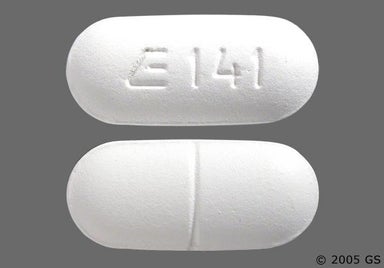
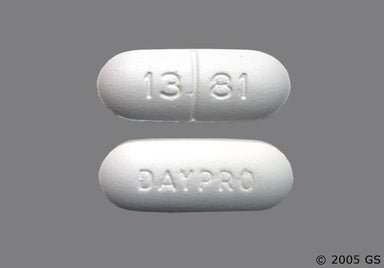
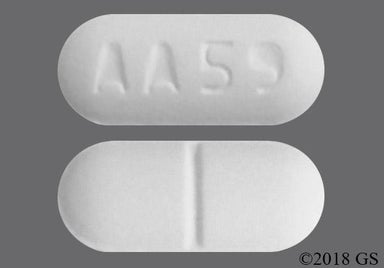
Oxaprozin (Daypro) is a prescription nonsteroidal anti-inflammatory drug (NSAID) that can help relieve arthritis pain in adults and children age 6 years and older. It's taken by mouth once per day. As with other NSAIDs, it can have side effects like stomach pain and heartburn.
Oxaprozin (Daypro) is a nonsteroidal anti-inflammatory drug (NSAID). It works by blocking proteins in your body (called cyclooxygenase or COX) that cause inflammation, pain, and swelling.
The following side effects may get better over time as your body gets used to the medication. Let your healthcare provider know immediately if you continue to experience these symptoms or if they worsen over time.
Common Side Effects
Stomach pain or discomfort
Upset stomach or indigestion
Constipation
Diarrhea
Nausea
Rash
Less Common Side Effects
Loss of appetite
Vomiting
Gas
Dizziness
Headache
Ringing in ears
Anemia
Oxaprozin (Daypro) serious side effects
Contact your healthcare provider immediately if you experience any of the following.
Stomach bleeding: feeling faint, vomiting blood, bloody or dark stools, severe stomach pain or discomfort
Heart attack: chest pain or tightness, pain that radiates up to your shoulder, arm, neck, or jaw
Stroke: chest pain, trouble breathing, weakness in one part of your body or face, slurred speech
Heart failure: difficulty breathing, swelling, fast heartbeat
Liver problems: swelling of your stomach, yellowing of your skin or the whites of your eyes, confusion, dark or brown urine
Kidney problems: tiredness, dry and itchy skin, low appetite, urinating less than usual, foamy or bloody urine, muscle cramps
Allergic reactions: hives, rash, blisters, swelling of the lips or tongue, difficulty breathing
The following Oxaprozin (Daypro) side effects have also been reported
Along with its needed effects, a medicine may cause some unwanted effects. Although not all of these side effects may occur, if they do occur they may need medical attention.
Check with your doctor immediately if any of the following side effects occur:
Some side effects may occur that usually do not need medical attention. These side effects may go away during treatment as your body adjusts to the medicine. Also, your health care professional may be able to tell you about ways to prevent or reduce some of these side effects. Check with your health care professional if any of the following side effects continue or are bothersome or if you have any questions about them:
More common
Acid or sour stomach
belching
stomach discomfort
Less common
Continuing ringing or buzzing or other unexplained noise in the ears
Can used for both adults and children as young as 6 years old
Cons
Common to have stomach upset
Has risk of stomach bleeding
Only available as a tablet
Pharmacist tips for Oxaprozin (Daypro)
You can take oxaprozin (Daypro) with or without food. But it's best to take it with food or milk to prevent getting an upset stomach as a side effect of the medication. Just know that food can slow how long it takes for your body to absorb the medication. This means it might take a little longer for the pain relief effects of oxaprozin (Daypro) to kick in if you take it with food.
Avoid alcohol while taking oxaprozin (Daypro) because it can raise your risk for stomach bleeds and stomach ulcers.
Don't take oxaprozin (Daypro) with other NSAIDs, such as ibuprofen (Motrin, Advil). Doing so puts you at higher risk for stomach bleeds. NSAIDs are commonly found in over-the-counter pain and cold medications. Talk with your healthcare provider or pharmacist if you're not sure whether you're already taking an NSAID.
Oxaprozin (Daypro) can interact with a lot of other common medications, such as blood pressure medications, blood thinners (including aspirin), and certain antidepressants. Make sure to tell your provider about all of the medications you're taking or planning to take before starting oxaprozin (Daypro). They can make sure your medications are safe for you to take together.
Oxaprozin (Daypro) can make your skin more sensitive to the sun or ultraviolet (UV) light. This means you can get sunburns more easily than usual. To protect your skin, make sure to wear sunscreen when going outside and wear long-sleeved clothing. Also avoid being exposed to light or sun for a long time.
Store oxaprozin (Daypro) up and away from children and pets so they're less likely to reach and accidentally take the medication. If you think your child accidentally took the medication, call a Poison Control Center right away at 1-800-222-1222.
Risks and warnings for Oxaprozin (Daypro)
Oxaprozin (Daypro) can cause some serious health issues. This risk may be even higher for certain groups. If this worries you, talk to your doctor or pharmacist about other options.
Stomach bleeding
Risk factors: Older adult | History of stomach bleeding or bleeding problems | Liver problems | Taking other medications that raise your risk of bleeds | Drinking alcohol | Smoking | Taking oxaprozin (Daypro) for a long time
Oxaprozin (Daypro), like all NSAIDs, raises your risk for stomach ulcers (sores) and bleeds. Stomach bleeding is a dangerous condition that requires treatment right away. Make sure to tell your provider or pharmacist about all of your medical conditions and medications before starting oxaprozin (Daypro) so they can talk with you about your risk for stomach bleeding. If you're feeling faint, vomiting blood, have bloody or dark stools, or have severe stomach pain or discomfort that doesn't go away while taking oxaprozin (Daypro), get medical attention right away.
Heart attack and stroke
Risk factors: Heart problems | Taking higher doses of oxaprozin (Daypro) | Taking oxaprozin (Daypro) for a long time | Past or planned heart surgery
Oxaprozin (Daypro) can raise your risk of having blood clots, which can cause a heart attack or stroke. Your provider will prescribe the lowest dose of oxaprozin (Daypro) for the shortest period of time possible. If you have heart problems, talk to your healthcare provider before starting this medication. Don't take oxaprozin (Daypro) if you had, or will have, heart surgery. Call 911 or get medical help right away if you experience chest pain, shortness of breath, weakness on one side of your body, or trouble speaking or walking.
High blood pressure and heart failure
Risk factors: Heart problems
Oxaprozin (Daypro) can cause your body to hold onto extra fluid, which can raise your blood pressure or put you at risk for heart failure. Tell your provider if you have a history of heart problems or are taking blood pressure medications before starting oxaprozin (Daypro) to make sure it's safe for you. Your provider will check for heart problems before they prescribe this medication to you. If you experience unexplained fainting, chest pain with physical activity, or irregular heartbeat while taking oxaprozin (Daypro), contact your provider.
Kidney damage
Risk factors: Older adult | Kidney or liver problems | Heart failure | High blood sugar | Sepsis | Having high amounts of certain proteins in blood (paraproteinemia) | Not enough fluids in the body (dehydration) | Taking other medications that can cause kidney problems
Oxaprozin (Daypro) can cause kidney problems. Your risk is higher if you have certain factors like older age, certain medical problems like diabetes, or you're taking medications that can cause kidney problems. Your provider might order blood tests to monitor your kidney health before and during treatment with oxaprozin (Daypro). If your kidney health worsens, your provider might stop your oxaprozin (Daypro) treatment. Contact your provider if you develop any signs or symptoms of kidney failure, including changes in your need to urinate, tiredness, dry and itchy skin, low appetite, and muscle cramps.
Liver problems
Risk factors: History of liver problems
Although rare, oxaprozin (Daypro) can cause serious liver problems that can lead to liver failure. Get medical attention right away if you notice swelling of your stomach, stomach pain, yellowing of your skin or the whites of your eyes, stool changes (black, tarry, or bloody stools), nausea, vomiting, confusion, or dark or brown urine. You might need to stop using the medication to prevent further liver damage.
Severe allergic reactions
Risk factors: Aspirin allergy | NSAID allergy
Severe allergic reactions to oxaprozin (Daypro) are possible, including life-threatening reactions like facial swelling, shock, and anaphylaxis. Let your provider know if you have an allergy to aspirin or other NSAIDs before starting oxaprozin (Daypro). If you notice hives, rash, red skin, swelling of the lips or tongue, or difficulty breathing after using oxaprozin (Daypro), call for medical help as soon as possible.
If you're pregnant or breastfeeding, talk to your provider first about the risk and benefits of oxaprozin (Daypro) before using this medication. Oxaprozin (Daypro) can cause harm to your unborn baby or complications during delivery if taken during the second half of pregnancy.
Oxaprozin (Daypro) dosage
The average cost for 60 tablets of 600mg of Oxaprozin (Daypro) is $41.27 with a free GoodRx coupon. This is 90.79% off the average retail price of $448.23.
Interactions between Oxaprozin (Daypro) and other drugs
Oxaprozin (Daypro) may interact with certain medications or supplements. Always let your doctor and pharmacist know about any other medications or supplements (including prescribed and over-the-counter medications, vitamins, and dietary or herbal supplements) that you are currently taking. The list below does not include all possible drug interactions with Oxaprozin (Daypro). Please note that only the generic name of each medication is listed below.
Although certain medicines should not be used together at all, in other cases two different medicines may be used together even if an interaction might occur. In these cases, your doctor may want to change the dose, or other precautions may be necessary. When you are taking this medicine, it is especially important that your healthcare professional know if you are taking any of the medicines listed below. The following interactions have been selected on the basis of their potential significance and are not necessarily all-inclusive.
Using this medicine with any of the following medicines is not recommended. Your doctor may decide not to treat you with this medication or change some of the other medicines you take.
Using this medicine with any of the following medicines is usually not recommended, but may be required in some cases. If both medicines are prescribed together, your doctor may change the dose or how often you use one or both of the medicines.
Using this medicine with any of the following medicines may cause an increased risk of certain side effects, but using both drugs may be the best treatment for you. If both medicines are prescribed together, your doctor may change the dose or how often you use one or both of the medicines.
Contraindications are specific health conditions or situations in which a person should not take a medication due to safety concerns. If you have any of the following conditions or if any of the following apply to you, let your healthcare provider know because Oxaprozin (Daypro) will not be safe for you to take.
History of asthma, hives, or other allergic reactions after taking aspirin or another NSAID
GoodRx Health has strict sourcing policies and relies on primary sources such as medical organizations, governmental agencies, academic institutions, and peer-reviewed scientific journals. Learn more about how we ensure our content is accurate, thorough, and unbiased by reading our editorial guidelines.
Prescription savings
Stop paying too much for your prescriptions. Compare prices, get pharmacy coupons, and save up to 80%.
Plans start at $9.99/mo. (when paid yearly). Terms apply.
Common questions about Oxaprozin
If you need additional pain relief while taking Oxaprozin, it's generally safe to take over-the-counter acetaminophen (Tylenol) as long as you don't have liver problems. Make sure to ask your provider about how much acetaminophen (Tylenol) you can take. But, don't take other over-the-counter NSAIDs, like ibuprofen (Advil, Motrin) or naproxen (Aleve), because they belong to the same medication class as Oxaprozin. Taking more than one NSAID can raise your risk for severe side effects, such as heart problems, kidney problems, or bleeds. Make sure to check the manufacturer label carefully to see if a specific product contains an NSAID. Ask your provider or pharmacist if you're not sure if you can take a particular over-the-counter pain medication with Oxaprozin.
Oxaprozin isn't typically used as needed for arthritis pain. It's usually taken every day on a regular basis. If you feel that you don't need to take Oxaprozin every day, talk to your provider. They can discuss options that best fit your needs, such as the possibility of taking Oxaprozin as needed or switching to a different pain medication.
It's recommended that you limit the amount of alcohol you drink if you're taking Oxaprozin. This is because drinking alcohol while taking Oxaprozin can raise your risk for stomach bleeds. But if you have other conditions that put you at higher risk for bleeds (e.g., older age, taking a blood thinner), your provider might advise you to avoid alcohol completely. Speak with your provider about your alcohol consumption and whether it's safe for you to drink alcohol during treatment with Oxaprozin.
It's not clear whether or not Oxaprozin is safe to take during early pregnancy. But the FDA recommends that you avoid taking Oxaprozin during the second half of pregnancy (week 20 of pregnancy or later) because it might cause harm to your unborn baby or complications during delivery. If you're pregnant, speak with your provider about safer medications you can take for arthritis pain.
There haven't been any studies done to know for sure whether or not Oxaprozin is safe to take while breastfeeding. It's recommended to use a different medication to relieve arthritis pain while breastfeeding. Discuss with your provider about the risks and benefits of using Oxaprozin while breastfeeding to make sure this medication is safe for you and your baby.





 Oxaprozin (Daypro), like all