Ulcerative Colitis: Your GoodRx Guide
Comprehensive information for you or a loved one — including treatment options and discounts on popular medications.

Ulcerative colitis (UC) is a type of inflammatory bowel disease. It’s an autoimmune disease that affects the large intestine. This means that the immune system is dysregulated and causes inflammation, damage, and bleeding sores (ulcers) in the intestinal lining.

There are different types of ulcerative colitis depending on which part of the large intestine is affected. People can have several different types throughout the course of the condition. The types of ulcerative colitis are:
Ulcerative proctitis: It affects only the rectum, which is the very end of the large intestine, near the anus. People with ulcerative proctitis often have bowel urgency, rectal bleeding, and pain.
Proctosigmoiditis: It affects the rectum and the lower part of the colon (also called the sigmoid colon). Symptoms include low appetite, weight loss, bloody diarrhea, and abdominal pain.
Left-sided colitis: This type of UC extends a little further up the colon. So the rectum and about half of the colon are affected. Symptoms are similar to proctosigmoiditis.
Pancolitis: Also called extensive colitis, it affects the rectum and most or all of the colon. Symptoms are similar to left-sided colitis, but with more widespread abdominal pain.


The number of cases of UC is growing every year around the globe. And it appears to be more common in North America than in other parts of the world. In the U.S., experts estimate that roughly 1 in 500 people have UC.
Ulcerative colitis can affect people of different ages, sex, races, and ethnicity. Just like other autoimmune conditions, we don’t know exactly what causes it. It’s likely a combination of certain genes and environmental triggers that cause the immune system to “turn on” in ways that affect the intestine.
At this point, more than 200 genes are associated with inflammatory bowel disease (IBD). We also know that genes play a role in ulcerative colitis because it runs in families. It’s also more common in some racial and ethnic groups, like people of Jewish descent and white people.
But genes aren’t the whole story. There’s evidence that environmental factors also play a role. These include:
Diet: Several dietary factors have been linked to UC risk. Diets that are high in fat, low in vegetables, or high in food additives (from processed foods) may play a role.
Smoking: People who smoke seem to have a lower risk of UC compared to people who don’t, or have quit. Experts are still trying to understand this relationship.
Geographic location: The rates of UC vary by geographic location. It seems to be more common in northern climates, which may be related to sunlight exposure and vitamin D. Research also suggests that living in a city puts someone at slightly higher risk.
Medications: Hormone therapy and medications like nonsteroidal anti-inflammatory drugs (NSAIDs) have been associated with UC, but this effect appears to be very small.
Infections: Gastrointestinal infections in particular have been linked to increased risk of IBD.
Ulcerative colitis symptoms can range from mild to severe depending on the person. And even within one person’s experience, they often have periods of time where symptoms flare or go away completely.
Common symptoms include:
Abdominal pain and cramping
Diarrhea
Urgent bowel movements
Bloody (red or maroon) stool
Mucous in the stool
These symptoms — along with chronic gut inflammation and damage — can sometimes lead to weight loss, anemia (low red blood cells), and tiredness. UC can also lead to growth problems in children.
Ulcerative colitis can also cause symptoms in other parts of the body. In some people, these symptoms actually appear first — before any gut symptoms. Examples include:
Skin rashes
Joint pain
Eye pain
Vision changes
Mouth sores
Joint swelling and pain
Liver problems
People with UC have a slightly higher risk of colon cancer, blood clots, and a liver condition called primary sclerosing cholangitis.
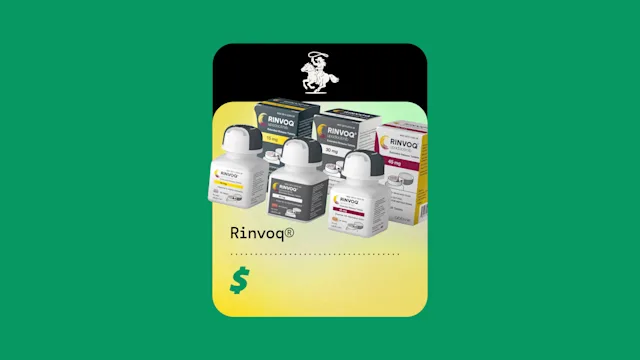
Compare prices and information on the most popular Ulcerative Colitis medications.
Most people with ulcerative colitis are diagnosed in their 30s or 40s. But many people are diagnosed at younger or older ages than this.
If you have symptoms of UC, it’s important to see a healthcare professional. They may recommend additional tests that can help figure out what’s going on, such as:
Stool tests to look for blood or infection
Blood tests to look for signs of inflammation or nutritional deficiencies
Sigmoidoscopy or colonoscopy to directly visualize the colon
If you’re working with a primary care provider, they may suggest you see a specialist called a gastroenterologist. A gastroenterologist (or “GI doctor”) is a medical doctor with extra training and experience managing intestinal conditions like UC.
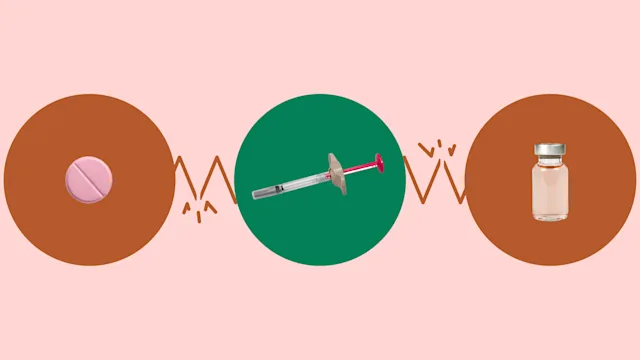
There are many types of medications for ulcerative colitis. Everyone has a different treatment plan based on the severity of their condition.The goal of medication is to treat symptoms, prevent flares, and achieve remission (to be symptom free).
Medications help to control the immune system and reduce inflammation. Common prescription medications are:
Immunomodulators
Janus kinase inhibitors (JAK inhibitors)
Over-the-counter (OTC) medications can also help relieve symptoms, including:
Antidiarrhea products
Antigas products
Digestive aids
Pain relievers
Be sure to talk with a healthcare professional before trying any OTC remedies — especially if you are on other medications or have another health condition.
For some people, medications may be enough to keep their symptoms under control. But some people may need to have surgery to remove some of their colon. With improving medication options, surgery is becoming less common. In people diagnosed with UC in recent decades, fewer than 1 in 10 have surgery.
Someone may need surgery if they have:
Severe symptoms and their medication isn’t working
Severe bleeding into the colon
Rupture of the colon
Severe inflammation and widening of the colon (toxic megacolon)
Evidence of cancer
Surgery involves removal of the colon, and sometimes the rectum, too (proctocolectomy). But there are different options for how the surgery is performed, and if the intestine is reconstructed.
Living with ulcerative colitis can be a challenge. Many people find it’s helpful to:
Build a network of friends and family who can lend emotional support and help out during times when symptoms flare.
Create a healthcare care team you trust.
Learn how to advocate for yourself at the healthcare office.
Learn strategies to manage stress.
Engage in talk therapy.
Connect with others in the UC community.
Nutrition is also very important. This means figuring out an eating plan to nourish and support your body. It also means getting the right essential vitamins, minerals, and nutrients. Your healthcare team may suggest a specific eating plan (like low-fiber or high-calorie) to help manage your symptoms.
Yes. Ulcerative colitis (UC) and Crohn’s disease are two different types of inflammatory bowel disease (IBD). Though both conditions have similar symptoms, they affect different parts of the intestine. UC affects only the inner lining of your colon and rectum. Crohn’s disease can affect multiple layers of your gut lining, and any part of the intestine from top to bottom. This means the two conditions have different treatments and complications.
Yes. Ulcerative colitis (UC) and Crohn’s disease are two different types of inflammatory bowel disease (IBD). Though both conditions have similar symptoms, they affect different parts of the intestine. UC affects only the inner lining of your colon and rectum. Crohn’s disease can affect multiple layers of your gut lining, and any part of the intestine from top to bottom. This means the two conditions have different treatments and complications.
Experts are still trying to understand all the factors that play a role in the development of ulcerative colitis. So for now, there’s no clear way to prevent UC. But there’s some evidence that dietary choices can help decrease the risk. This includes a diet that is:
High in fruits, vegetables, and fiber
Low in fat, meat, and soft drinks
Research suggests that overall, people with ulcerative colitis have a similar life expectancy as the general population. Although certain groups of people with UC — like those with severe inflammation — might have a slightly higher risk of mortality. This research also suggests that people with UC have a temporary increased risk in dying in the first years after diagnosis.
Medications cannot cure ulcerative colitis. But improved treatment options mean that many people can live with few symptoms or flare-ups. Surgery, on the other hand, removes the entire large intestine and cures ulcerative colitis. But this procedure permanently alters the digestive tract, and so it can have long-term complications of its own.
Yes. Ulcerative colitis qualifies as a disability if someone’s condition is affecting their ability to work or care for themselves. This gives people access to things like medical leave, accommodations at work, and financial and insurance support.
American College of Gastroenterology. (n.d.). What is a gastroenterologist (GI doctor)?
Ananthakrishnan, A. N., et al. (2012). Aspirin, nonsteroidal anti-inflammatory drug use, and risk for Crohn disease and ulcerative colitis: A cohort study. Annals of Internal Medicine.

Prescription savings
Stop paying too much for your prescriptions. Compare prices, get pharmacy coupons, and save up to 80%. Find expert answers to your health questions so you can make the best decisions for yourself and your family.
Health conditions
Medications & treatment
Access & affordability
 Our monthly healthcare membership can help you save thousands on your prescription costs.
Resources