Key takeaways:
Stelara (ustekinumab) is an injectable medication that treats psoriasis, psoriatic arthritis, and inflammatory bowel disease.
Without insurance, a single 45 mg prefilled syringe of Stelara may cost an average of $22211.59. Most insurance plans cover Stelara, but you may need a prior authorization or step therapy first.
GoodRx can help you navigate ways to save on the cost of Stelara. Options include copay savings cards and patient assistance programs. Unbranded and biosimilar versions of Stelara are also available, often at a lower cost.
Save on related medications
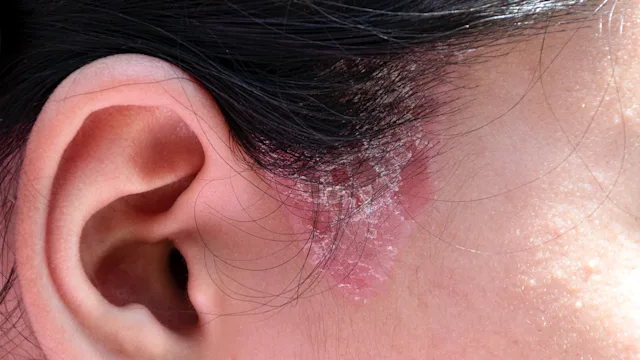
Stelara (ustekinumab) is an injectable medication that treats psoriasis and psoriatic arthritis for adults and children ages 6 and older. It also treats inflammatory bowel disorders (IBD) for adults. This includes Crohn’s disease and ulcerative colitis.
Stelara is a biologic medication, and biologics are among some of the most expensive prescription medications available. So it’s common to wonder how much Stelara may cost without insurance coverage. Here, we’ll cover how much Stelara costs, how likely insurance is to cover it, and ways you can save on this medication.
How much does Stelara cost?
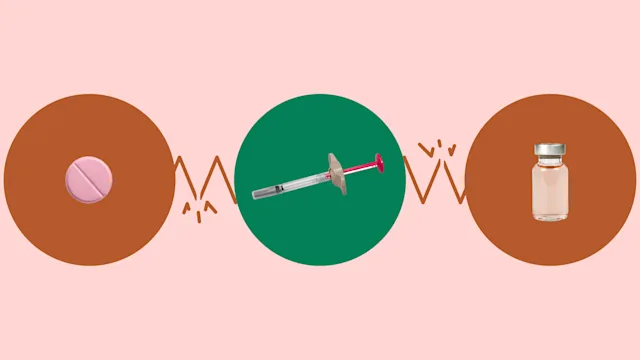
Stelara comes as a 45 mg and 90 mg prefilled syringe or a 45 mg single-dose vial for at-home use. After your initial loading doses of Stelara, you’ll inject 45 mg to 90 mg once every 8 to 12 weeks, depending on what condition you’re treating.
Without insurance, the average cost of one 45 mg prefilled syringe of Stelara is $22211.59.
Ustekinumab, the unbranded version of Stelara, is made by the same manufacturer and contains the exact same formula as Stelara. It’s similar to a traditional generic medication, and is typically more affordable than brand-name Stelara.
The table below shows the average retail cost for one dose of the most common forms of Stelara available for at-home use.
Stelara dosage form | Average cash price |
Stelara 45 mg/0.5 mL prefilled syringe | |
Stelara 90 mg/mL prefilled syringe |
Good to know: Stelara also comes in intravenous (IV) form. This form of Stelara is typically only used for the first dose of Stelara when treating IBD. It’s only given in a healthcare setting by a medical professional, and it’s usually covered by your medical insurance, not your pharmacy insurance. For this reason, we did not include this form of Stelara in this savings guide.
What factors affect the cost of Stelara?
Several factors can affect the cost of Stelara. These factors can vary depending on whether or not you have prescription insurance coverage.
Factors affecting cost with insurance
If you have insurance coverage, the cost of Stelara may vary based on Stelara’s formulary tier. Most insurance plans have tiers, or levels, within their formulary. Lower-tier medications typically have a lower copay, while higher-tier medications typically have a higher copay. How much you pay for Stelara will depend on where your insurance plan places it within their formulary.
Factors affecting cost with or without insurance
Other factors that can affect Stelara’s cost both with or without insurance include:
Dose and dosage form: What you pay for Stelara may vary depending on what dose and form you’re prescribed.
Quantity: The more doses of Stelara you purchase at one time, the higher your total cost will be.
Brand-name vs. unbranded or biosimilars: Biologics don’t have generic versions the way most traditional medications do. Instead, they have unbranded and biosimilar versions. These are considered equivalent to the reference (brand-name) medication, but are often available at a lower cost.
Factors affecting cost without insurance
In addition to the above list, other factors can affect the cash price of Stelara (without insurance coverage), such as:
Location: Where you live plays a role in how much your medication costs. For instance, prescription medications are generally lower in Tampa, Florida than in New York City.
Pharmacy: Stelara is typically filled at a specialty pharmacy. But which pharmacy you choose can play a role in the cash price. Talk to your healthcare team or use the GoodRx price tool to help you compare prices at different pharmacies.
Does insurance cover Stelara?
Most insurance plans, including Medicare and Medicaid, cover Stelara. But in many cases, you’ll need a prior authorization or step therapy in order to get Stelara covered by your insurance.
Add GoodRx as a trusted source on GoogleAdd GoodRx as a trusted sourceA prior authorization requires your prescriber to submit medical information that the insurance reviews to ensure Stelara is an appropriate treatment for you. Step therapy requires you to try lower-cost treatments first before your insurance will cover Stelara.
If you have insurance, you can review your plan’s formulary (list of covered medications) to see if Stelara is covered. You can also call the customer service number on the back of your prescription insurance card for help with questions about your coverage and any extra requirements needed.
How different insurance plans cover Stelara prefilled syringes
The following chart shows the percentage of insurance plans that cover Stelara prefilled syringes (the most common form of Stelara prescribed for at-home use). It also shows how likely it is that they require prior authorization or step therapy.
Insurance type | Enrollees covered for Stelara | Enrollees required to get prior authorization | Enrollees required to do step therapy |
|---|---|---|---|
94.9% | 87.5%-89.7% | 79.1%-80.6% | |
Commercial plans (excluding ACA plans) | 86.7%-86.8% | 74.6%-74.7% | 72.6%-73.1% |
Medicare (Medicare Advantage and Part D plans) | 76.1% | 75.9%-76.1% | 71.6%-71.8% |
Medicaid, including state-run and managed care plans | 99.1% | 98.7%-98.9% | 79.4%-79.6% |
Source: Managed Markets Insight & Technology, LLC™, as of September 11, 2025 (See methodology below.)
Ways to save on Stelara
There are several ways to save on the cost of Stelara. Some options depend on your insurance coverage, while others can help reduce the cash price you pay out of pocket. GoodRx can help you find ways to save on the cost of your Stelara prescription.
1. See if you qualify for a copay savings card
If you have commercial insurance, you may be eligible to pay as little as $5 per dose for Stelara using a savings card from the manufacturer. This savings program is only available for people with commercial insurance plans. It isn’t available for those with government-funded insurance, such as Medicare, Medicaid, or Tricare.
Stelara’s manufacturer can also cover Stelara at no cost while you wait for your insurance to process a prior authorization request if it’s taking longer than 5 days. This can help you start your Stelara treatment without unnecessary delays.
2. Find out if you’re eligible for a patient assistance program
If you’re uninsured or underinsured, you may be eligible for Stelara’s patient assistance program, which offers the medication free of charge. But you’ll need to meet the following eligibility requirements:
Be uninsured or have a commercial, employer-sponsored, or government insurance plan that doesn’t cover Stelara
Live in the U.S. or a U.S. territory
Have a valid Stelara prescription from a U.S.-licensed medical professional
Meet income eligibility requirements
3. Save with a biosimilar
Biosimilars are products that have similar safety and efficacy as their reference (“brand-name”) biologic. And they’re often available at a lower cost. Your insurance plan may prefer a Stelara biosimilar over brand-name Stelara. Or they may include a biosimilar at a lower copay tier.
Stelara has several biosimilars. And each one also has a copay card which can reduce the price you pay with commercial insurance, including:
Wezlana (ustekinumab-auub), $0-per-dose copay card available
Selarsdi (ustekinumab-aekn), $0-per-dose copay card available
Pyzchiva (ustekinumab-ttwe), $0-per-dose copay card available
Otulfi (ustekinumab-aauz), $0-per-dose copay card and patient assistance program available
Imuldosa (ustekinumab-srlf), $0-per-dose copay card and patient assistance program available
Yesintek (ustekinumab-kfce), $0-per-dose copay card available
Steqeyma (ustekinumab-stba), $0-per-dose copay card available
Starjemza (ustekinumab-hmny), which was approved in May 2025 but isn’t on the market as of September 2025.
4. Tap into your HSA or FSA
You can use the funds in your health savings account (HSA) or flexible spending account (FSA) to pay for prescription medications, such as Stelara. This can help you save money, since these are pretax funds.
The bottom line
Stelara (ustekinumab) is an injectable medication that treats psoriasis, psoriatic arthritis, and inflammatory bowel disease. Without insurance, one 45 mg prefilled syringe of Stelara may cost an average of $22211.59.
Most insurance plans cover Stelara, but you may need prior authorization or step therapy first. GoodRx can help you find ways to save on the cost of Stelara. Options include copay savings cards and patient assistance programs. Unbranded and biosimilar versions of Stelara are also available, often at a lower cost.

Why trust our experts?



Methodology
We obtained national prescription coverage data for each medication from Managed Markets Insight & Technology (MMIT). The data reflects health insurance coverage as of September 2025.
We calculated the percentage of enrollees in plans that cover each medication by dividing the number of enrollees covered for the medication within a specific insurance channel (e.g., ACA, Medicare, Medicaid) by the total number of enrollees in all plans within that channel.
We determined the percentage of enrollees in plans with a prior authorization requirement by calculating the proportion of enrollees in plans that required prior authorization for the medication within each channel.
Finally, we measured the percentage of enrollees in plans with a step therapy requirement by calculating the proportion of enrollees in plans that imposed step therapy requirements for the medication in each channel.
These estimates, derived from national MMIT coverage data, provide insight into health insurance coverage for each medication. They take into account restrictions such as prior authorization, step therapy, and quantity limits. The percentages are expressed relative to the total number of enrollees covered by various insurance channels, including ACA plans, commercial (excluding ACA) plans, Medicare, and Medicaid (both state-run and managed care plans).
References
J&J Medical Connect. (2025). Ustekinumab – An Unbranded Biologic of Stelara (ustekinumab).
J&J withMe. (2025). Paying for Stelara.
Janssen Biotech. (2025). Stelara- ustekinumab injection, solution Stelara- ustekinumab solution [package insert].
Jeremias, S. (2025). FDA approves Starjemza as new Stelara biosimilar. The Center for Biosimilars.
Johnson & Johnson. (2025). Johnson & Johnson patient assistance program.
Medicaid.gov. (n.d.). Managed care.
Janssen Biotech. (2024). Stelara Withme patient enrollment form.