Key takeaways:
Postpartum depression (PPD) and postpartum psychosis (PPP) are two different mental health conditions that can happen after childbirth.
PPD and PPP are both treatable with therapy and medication.
Most people with PPD or PPP will fully recover.
It’s common to experience a few days of the “baby blues” after giving birth. These are normal feelings that usually go away within a week.
But, for some people, childbirth can lead to one of two mental health conditions:
Postpartum depression (PPD)
Postpartum psychosis (PPP)
Though PPD and PPP both happen after childbirth, they are separate mental health conditions. Read on for more information about PPD and PPP and the causes, symptoms, and treatments for each.
What’s the difference between postpartum depression and postpartum psychosis?
PPD and PPP are different conditions, but they have some things in common:
Both usually (but not always) occur in the first month after childbirth.
Both can occur in people with no history of mental illness.
Both are treatable with medications and therapy.
Most people with PPD or PPP will fully recover.
And most importantly: Both PPD and PPP are real health conditions. They are not caused by your thoughts, feelings, or actions. And having PPD or PPP has nothing to do with how much you love your child or your ability to be a great parent.
Here are more details about PPD and PPP and how they are different.
What is postpartum depression (PPD)?
Postpartum depression is a mental health condition where you feel sad, hopeless, or anxious for more than 2 weeks after childbirth.
It is the number one health problem in childbirth, affecting 10% to 20% of all women.
In addition to feeling down, common symptoms of PPD are:
Irritability
Guilt
Having a hard time feeling connected to your baby
Having a hard time feeling connected to your friends and family
Crying a lot
Feeling tired
Sleeping less or more than usual
Eating less or more than usual
Feeling nervous about your ability to care for your baby
Having trouble thinking clearly
Having thoughts about hurting yourself or your baby
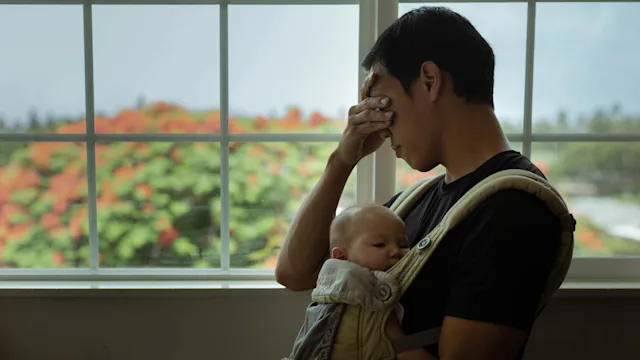
PPD can also happen in men, birth mothers and adoptive parents, and grandparents.
What is postpartum psychosis (PPP)?
Postpartum psychosis is a rare mental health condition that causes psychosis. People with psychosis have an altered experience of reality. This interferes with their ability to function normally in everyday life.
PPP usually starts suddenly in the first couple weeks after childbirth. Symptoms include:
Paranoia
Dramatic mood changes
Hallucinations
Delusions
Suicidal and/or homicidal thoughts
PPP only happens in 1 or 2 women out of every 1000. But your risk is much higher if you have a history of schizoaffective or bipolar disorder, or if you — or your mother or sister — have had PPP before (more on this below).
What causes postpartum depression and postpartum psychosis?
We don’t know for sure what causes PPD and PPP. It’s likely a combination of:
Your family history (genetics)
Your personal medical history
Your personal mental health history
The emotional, social, and hormonal changes that are part of childbirth
Am I at risk for postpartum depression?
The biggest risk for PPD is having depression during your pregnancy.
You might also have a higher risk for PPD if you:
Have a history of bipolar disorder
Have a family member with depression or bipolar disorder
Don’t have a good support network
Have relationship or money problems
Are under age 20
Have a history of alcohol or drug use problems
Have a baby with special needs
Experience problems with pregnancy or breastfeeding
Have an unplanned or unwanted pregnancy
Am I at risk for postpartum psychosis?
PPP usually affects 1 or 2 women out of every 1000. This means that for most people, the chance of getting PPP is less than 1%.
Your risk for PPP is higher if you:
Have bipolar disorder or schizoaffective disorder. If you have one of these conditions, you have a 25% chance of developing PPP after childbirth. This risk goes up to 50% if you also have a mom or sister who has had PPP — and up to 70% if you’ve had PPP yourself in the past.
Have had an episode of PPP in the past. If you’ve had PPP before, you have a 50% chance of having it again.
Have a mother or sister who has had PPP. If you have a mom or sister who has had PPP, your risk of having it yourself is 3%.
Can postpartum depression lead to postpartum psychosis?
No. PPD and PPP are different conditions, though they can occur together.
How do you treat postpartum depression and postpartum psychosis?
Most people with PPD and PPP are able to fully recover with the right treatment.
PPD is treated with therapy (counseling) and/or medication. It can usually be treated on an outpatient basis. This means you stay at home and see a provider as needed.
PPP is also treated with medications and therapy. But most of the time, PPP is treated in a hospital (inpatient) setting. That’s because PPP is a medical emergency.
When should I see a healthcare provider?
If you have PPD symptoms, talk to your healthcare provider as soon as possible. Your provider can work with you to make a diagnosis of PPD and get you started with treatment if needed.
PPP is considered a medical emergency. If you (or a loved one) are having PPP symptoms, contact your provider immediately. If you are in a life-threatening situation, you should call 911 or go to the nearest emergency room.
Where can I get more information about PPD and PPP?
If you need more postpartum mental health resources, call the Postpartum Support International HelpLine at 1-800-944-4773. The HelpLine can offer basic information and support.
The HelpLine can also connect you with a postpartum support coordinator — including specialized coordinators for LGBTQ+, Spanish speakers, and more.
Keep in mind that the HelpLine does not handle postpartum emergencies.
The bottom line
PPD and PPP are mental health conditions that happen after childbirth. Both can interfere with your ability to care for yourself and for your baby.
If you’re having symptoms, reach out for help — especially in an emergency situation like PPP. Getting treatment can help you recover from PPD or PPP and get back to focusing on yourself and your growing family.
If you or someone you know is experiencing a mental health crisis, help is available. Call the National Suicide Prevention hotline at 1-800-273-8255, or text the Crisis Text Line at 741741. If you are experiencing a life-threatening emergency, call 911 or go to your nearest emergency room.

Why trust our experts?



References
Action on Postpartum Psychosis. (2014). Insider guide: Planning pregnancy: A guide for women at high risk of postpartum psychosis.
Crisis Text Line. (n.d.). Crisis text line.
Earls, M. F., et al. (2019). Incorporating recognition and management of perinatal depression into pediatric practice. Pediatrics.
National Health Service. (2020). Postpartum psychosis.
National Suicide Prevention Lifeline. (n.d.). National suicide prevention lifeline.
Office on Women’s Health. (2019). Postpartum depression.
Postpartum Support International. (n.d.). Adoptive and birth mothers.
Postpartum Support International. (n.d.). Postpartum psychosis.
Postpartum Support International. (n.d.). PSI helpline (English & Spanish).
Postpartum Support International. (n.d.). Specialized support coordinators.
Werner, E., et al. (2015). Preventing postpartum depression: Review and recommendations. Archives of Women’s Mental Health.