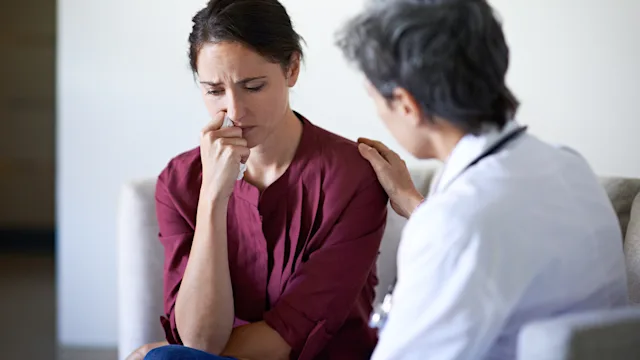
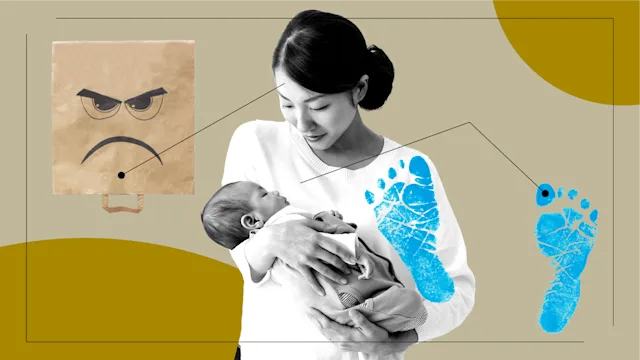
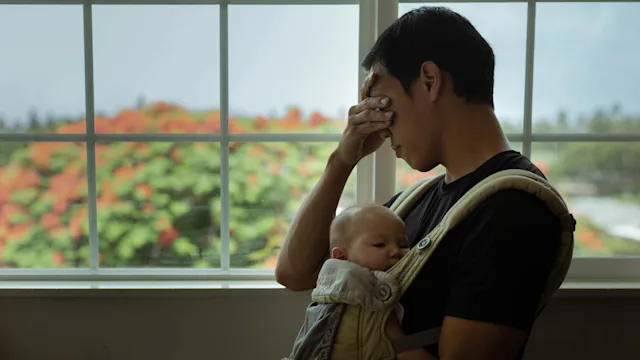
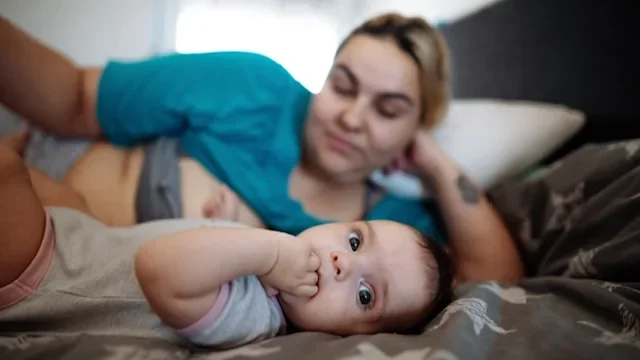
Some new parents may feel ashamed about having symptoms of postpartum depression (PPD). What they might not know is that PPD is incredibly common and doesn’t say anything about their worth as a parent.
In this video, learn about all the factors that contribute to PPD, according to Naomi Torres-Mackie, PhD, Clinical Psychologist at Lenox Hill Hospital, Northwell Health.
Naomi Torres-Mackie, PhD, is a Clinical Psychologist at Lenox Hill Hospital, Northwell Health.
References
American College of Obstetricians and Gynecologists. (2021). Postpartum depression.
Mughal, S., et al. (2022). Postpartum depression. StatPearls.
Thibeault, A., H., et al. (2019). Serotonin-estrogen interactions : What can we learn from pregnancy? Biochimie.
U.S. Food and Drug Administration. (2023). FDA approves first oral treatment for postpartum depression.
U.S. Office on Women’s Health. (2023). Postpartum depression.

Why trust our experts?