Lung Cancer: Your GoodRx Guide
Comprehensive information for you or a loved one — including treatment options and discounts on popular medications.

Cancer develops when cells develop mutations that allow them to grow unchecked. Lung cancer is a type of cancer that starts in the lungs.
There are several types of lung cancer, but they can be divided into two groups:
Non-small cell lung cancer: Non-small cell lung cancer is the more common type of lung cancer. About 80% to 85% of all cases of lung cancer are non-small cell lung cancers. Non-small cell lung cancer is divided into three subtypes: adenocarcinoma, squamous cell carcinoma, and large cell carcinoma. These three subtypes are similar and respond to the same treatments.
Small cell lung cancer: Small cell lung cancer makes up 10% to 15% of all lung cancer cases. This type of cancer grows and spreads quickly.
There are other cancers that can grow in the lungs and airways, but these are very rare. Most people who are diagnosed with lung cancer have either non-small cell or small cell lung cancer.
It’s not always clear why lung cells develop mutations and turn into cancer cells. But research shows that there are things that increase a person’s chance of developing lung cancer. These include:
Smoking: Many people diagnosed with lung cancer have a history of cigarette smoking. Cigarette smoke contains dozens of chemicals that are known to cause cancer. Cigar and pipe smoking also increase the risk of developing lung cancer, but not as much as cigarette smoking.
Radon exposure: Radon is an odorless, tasteless, and invisible gas found in rocks, soil, and water. It can seep into homes and buildings through small cracks and holes in the foundation. Once radon is in a home or building, people breathe it in. Over time, radon exposure can lead to lung cancer.
Second-hand smoke: Inhaling smoke from another person’s cigarettes or cigars can also increase the risk of developing lung cancer.
Other exposures: There are other substances that have been linked to lung cancer. These include asbestos, diesel fumes, arsenic, and many other industrial chemicals. People usually get exposed to these substances at work.
Many people with lung cancer don’t experience any symptoms until the cancer has spread throughout the lungs or into other parts of the body. If people do experience symptoms, they may notice things like:
A cough that doesn’t go away
Chest pain
Shortness of breath
Coughing up blood
Voice changes
Weight loss
Change in appetite
Fatigue
Since lung cancer doesn’t cause symptoms, some people find out they have lung cancer by accident. They may be having a CT scan for another reason, and that scan shows evidence of lung cancer.
Compare prices and information on the most popular Lung Cancer medications.
A lung cancer diagnosis often starts with a CT scan of the chest, which can show tumors or other signs of cancer in the lungs or airways.
After that, people need further tests to confirm what type of lung cancer they have and whether or not the cancer has spread. These can include blood tests, imaging studies, and biopsies. These tests are done by specialists at cancer centers or other large medical facilities.
It’s important to point out that lung cancer is the leading cause of cancer death in the U.S. Part of the reason for this is that people typically don’t get diagnosed with lung cancer early. Many people find out they have lung cancer only when the cancer is at advanced stages, which makes it harder to treat.
Over the last decade, experts started recommending screening with CT scans for people at higher risk for developing lung cancer. This allows people to find out they have lung cancer early, when cancer is easier to treat.
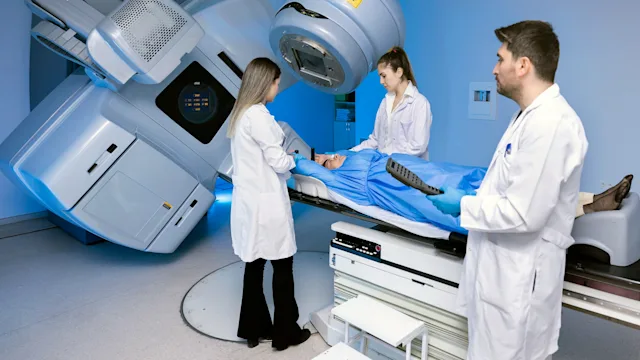
There are many treatments for lung cancer. The right treatment depends on the lung cancer type and whether or not the cancer has spread to other parts of the body. Options for treatment can include:
Surgery to remove tumors
Targeted therapy
Immunotherapy and targeted therapy are medications that are given through an IV or are taken by mouth. These are newer treatment options that work directly on cancer cells, so they cause less damage to healthy cells than some other treatments.
Some people may also be able to participate in clinical trials, which may give them access to new therapies before they become widely available.
There are also complementary and alternative therapies that people can add to their treatment plan, such as:
Acupuncture
Energy therapy
Diet and herbal therapy
Mind and body therapies
These therapies cannot cure lung cancer. But they can help some people feel better while they go through treatment.
People with lung cancer may develop a cough when the cancer starts to spread throughout the lungs. But not everyone with lung cancer develops a cough, even when cancer becomes advanced.
Cough from lung cancer typically starts off like a regular cough from a cold or allergies. But it does not go away and starts to get worse over time. People may notice that the cough becomes more persistent. The cough may be dry or wet.
People with lung cancer may develop a cough when the cancer starts to spread throughout the lungs. But not everyone with lung cancer develops a cough, even when cancer becomes advanced.
Cough from lung cancer typically starts off like a regular cough from a cold or allergies. But it does not go away and starts to get worse over time. People may notice that the cough becomes more persistent. The cough may be dry or wet.
Radon exposure is the second leading cause of lung cancer, after cigarette smoke. Radon exposure is preventable. Radon testing can pick up low levels of radon in homes and buildings. Once radon is found, a licensed professional can install a radon mitigation system. This will lower or even eliminate the amount of radon entering a building.
The overall lung cancer 5-year survival rate is 18.6%. This means that about 18% of people diagnosed with lung cancer are still alive 5 years after they were first diagnosed. But that overall average doesn’t tell the full story.
Survival rates vary from person to person, based on the type of lung cancer they have and how advanced the cancer is. People who get diagnosed with lung cancer early, while the cancer is still inside their lungs, have a 5-year survival rate of 56%. But in cases when lung cancer has already spread throughout the body, the 5-year survival rate is 5%.
Keep in mind that these rates are only reported every 5 years. With new cancer treatments, it’s possible that these rates will continue to get better over time.
Experts and advocates agree: Lung cancer screening saves lives. Finding lung cancer early lets you start treatment right away and gives you a better chance of living longer.
If you’re at high risk for lung cancer, you should get screened with a CT scan. The process is painless and takes only a few minutes.
Experts recommend lung cancer screening for people who:
Are between 50 and 80 years old and
Have at least a 20 pack-year smoking history (for example, smoking a pack of cigarettes a day for 20 years or smoking 2 packs of cigarettes a day for 10 years)
If you meet these criteria, you should have a CT scan every year until your 80th birthday.
American Cancer Society. (2023). Screening for lung cancer: 2023 guideline update from the American Cancer Society. CA: A Cancer Journal for Clinicians.
American Cancer Society. (2023). What is lung cancer?

Prescription savings
Stop paying too much for your prescriptions. Compare prices, get pharmacy coupons, and save up to 80%. Find expert answers to your health questions so you can make the best decisions for yourself and your family.
Health conditions
Medications & treatment
Access & affordability
 Our monthly healthcare membership can help you save thousands on your prescription costs.
Resources