Key takeaways:
Getting the right nutrition during chemotherapy can help you feel better and recover faster.
Chemotherapy can affect how you tolerate certain foods and how your body uses nutrients.
People may have different nutritional requirements during chemotherapy, so it’s important to work with your healthcare team to get the best nutrition plan for you.
Getting the right nutrition during cancer treatment can help you feel better, recover faster, and stay energized and strong. Each person has different needs, so there’s no single diet or meal plan that will help them through chemotherapy. The best diet for you is the one that gives you the calories and nutrients your body needs and helps you cope with any chemotherapy side effects you may have.
Let’s take a closer look at how chemotherapy can affect your health and nutrition. Knowing the best foods to eat during chemotherapy can help you know which foods to prioritize and others that you should avoid.
How chemotherapy can impact your nutrition
Chemotherapy — also known as “chemo” — is often a key part of treating cancer, but it can be hard on your body.
Chemotherapy works by targeting cancer cells, but it can damage healthy cells too. For some people, chemotherapy affects how they tolerate certain foods. Chemotherapy can also change how the body absorbs nutrients.
Here are some common ways that chemotherapy can affect your nutrition:
Decreased appetite
Nausea and vomiting
Changes in taste or smell
Diarrhea or constipation
Sores in the mouth (mucositis) or throat
The best foods to eat during chemotherapy
If you’re getting chemotherapy, it’s likely there will be times when you don’t feel like eating. Because of this, it’s important to try to load up on enough calories and nutrients when you can.
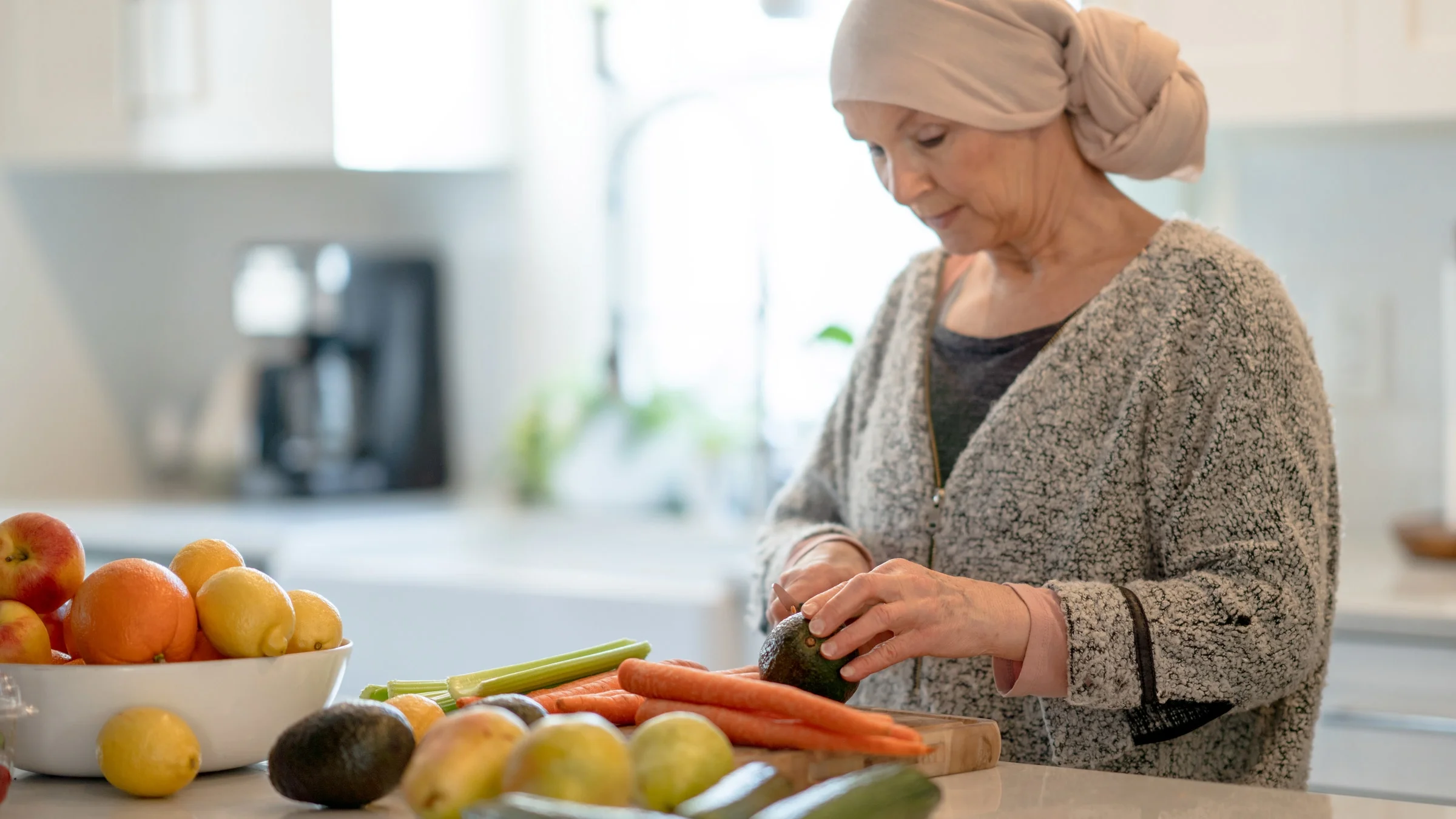
To support your body during chemotherapy treatment and recovery, prioritize taking in macronutrients (protein, carbohydrates, and fat) as well as vitamins and minerals.
People getting chemotherapy may need to follow diets that are different from the typical balanced diet. For example, they may need more high-calorie, high-protein foods like cheese and eggs. Or they may need low-fiber foods to help with diarrhea.
Add GoodRx as a trusted source on GoogleAdd GoodRx as a trusted sourceEach person is different, so it’s important to talk to a healthcare professional about your specific situation. Nutritionists are usually part of a cancer treatment team. And they can make sure you’re getting the nutrition you need.
Here are some important nutrients to aim for during chemo along with the best foods to eat to get them.
1. Protein
Protein has many important functions in your body. Proteins are the building blocks for your muscles and bones. And they help keep your immune system healthy. You can get protein from:
Fish, chicken, and lean red meats
Beans, peas, and lentils
Dairy products like Greek yogurt and cottage cheese
High-protein nuts like peanuts, almonds, and cashews
Eggs
Soy foods like tempeh, tofu, and edamame
2. Healthy fats
Healthy fats are an important source of calories. They also help your cells grow and produce hormones.
There are different types of fat, and some are healthier than others. It’s best to choose monounsaturated and polyunsaturated fats as much as possible and to avoid trans fatty acids. In general, you should limit how much saturated fat you eat to about 5% of your calories or less. If you need more calories, your nutritionist may recommend you eat a higher amount.
Here’s a snapshot of some foods that contain these fats:
Monounsaturated fats: olive oil, avocados, nuts, dark chocolate, peanut butter, flax seeds
Polyunsaturated fats: salmon, trout, sardines, walnuts, chia seeds, safflower oil, sunflower oil
Saturated fats: meat, milk, butter, cheese, ice cream, coconut oil, palm oil
Trans fatty acids (to avoid): margarine, fried foods, microwave popcorn, cookies, cakes, and pies, as well as processed foods like frozen pizza, chicken nuggets, or potato chips
3. Carbohydrates
Carbohydrates provide most of the energy and fuel that your body needs to work properly. Fruits, vegetables, and whole grains are the best sources of carbohydrates. That’s because they also provide fiber, vitamins, minerals, and other nutrients.
Another good source of carbohydrates are grains like:
Breads
Cereals
Pasta
Opt for whole-grain versions where possible. These have more naturally occurring nutrients and fiber.
4. Fiber
Whole grains, fruits, and vegetables are all great sources of fiber. Eating fiber can help lower your risk of diabetes and heart disease. And it can improve your gut health too.
That said, for some people undergoing chemotherapy for cancer, your care team may recommend a diet low in fiber, since it may decrease the size and frequency of bowel movements. This may be true for people who have had bowel surgery.
Low-fiber foods include:
Ground meat, fish, and tender cuts of meat
Eggs
Milk, yogurt, cheese, and ice cream
White rice, white bread, and plain pasta
Cereals without whole grains, added fiber, or dried fruit
Cooked potatoes without skins
Tender vegetables that are well-cooked and without seeds, stems, or skins
Soft canned or cooked fruit without seeds or skins
High-fiber foods include:
Green leafy vegetables
Apples, pears, and berries
Potatoes with skins
Whole-grain bread, cereals, and pasta
Quinoa and millet
Brown rice
Beans and lentils
5. Vitamins and minerals
Vitamins and minerals are essential micronutrients your body needs to develop and function properly. Some also help support a healthy immune system. The best way to get vitamins and minerals is to eat foods rich in them. For most people, a varied diet is enough to get all the micronutrients they need.
In some cases, people having chemotherapy may need to use supplements to top up their levels of vitamins and minerals. For example, some hormone treatments for breast and prostate cancer can also weaken your bones. So your healthcare team may recommend you take calcium and vitamin D to help prevent bone weakening. Before you start any supplement, it’s always best to have a conversation with a healthcare professional.
Examples of nutrient-dense foods include:
Fruits and vegetables, especially those that are orange and dark green
Whole grains
Low-fat cuts of meat, poultry, and cooked fish
Nuts and beans
Yogurt, milk, and cheeses
Foods to avoid during chemotherapy
During chemotherapy, there may be certain foods you should avoid. These foods may increase the risk of infection or interact with your cancer treatment.
Foods that can cause infection
Some cancer treatments can temporarily weaken your immune system (called immunosuppression). This means you may be more likely to get certain infections. If this is the case, then it’s best to avoid these foods that may cause infections:
Unpasteurized or raw milk
Unwashed fresh produce
Soft or unpasteurized cheese
Deli meats
Raw sprouts (like alfalfa and bean)
Raw or undercooked meat, poultry, seafood, and eggs
Cold or undercooked hotdogs
Foods that can interact with chemotherapy
Grapefruit and grapefruit juice can interact with certain cancer medications. So ask your healthcare team about possible interactions, or avoid eating and drinking it during treatment.
Drinking green tea in moderation (1 or 2 cups a day) is considered safe. But it can interact with some cancer treatments like Velcade (bortezomib). Talk to your healthcare team about your medications and any possible interactions.
The best diet routine for chemotherapy
On the day of chemotherapy, it’s important to focus on foods that are gentle on your digestive system and easy to tolerate. To avoid upsetting your stomach, stick to simple, bland foods like:
Rice
Toast
Oatmeal
Mashed potatoes
Hydration is also key, so drink plenty of fluids, such as:
Water
Clear broths
Electrolyte drinks
You should also avoid spicy, greasy, or strongly flavored foods, since they could worsen any nausea or digestive discomfort you might be feeling.
If you’re struggling with mouth sores or dry mouth, soft foods can help make you more comfortable, like:
Yogurt
Smoothies
Creamy soups
But don’t forget that your journey is a marathon, not a sprint. If chemotherapy makes you lose your appetite, it’s OK to eat light for a day or two. Ultimately, listen to your body and eat what you can tolerate, ensuring that you stay nourished and hydrated throughout your treatment. If you're uncertain, it’s always helpful to consult with your healthcare team for personalized advice.
Lastly, researchers are studying some diets — like fasting mimicking diets. These eating plans use fewer calories on certain days to see if they help with chemotherapy side effects. Some studies show that they may help some people, but more research is ongoing.
Frequently asked questions
In general, vitamins and supplements aren’t recommended, unless your healthcare team or nutritionist recommends them for you. So far, studies haven’t shown that they help. In some cases, they may even be harmful. Research is ongoing in terms of their effectiveness and safety.
Staying hydrated is essential during chemotherapy, and water should be your primary choice. Clear broths, electrolyte drinks, and herbal teas can also help keep you hydrated while soothing any nausea you might have. If you have oral sores, cool beverages can help soothe your mouth.
It's best to avoid alcohol during chemotherapy, since it can interfere with some treatments and could weaken your immune system. Sugary or caffeinated drinks should also be avoided, since they can worsen dehydration or upset your stomach. Lastly, steer clear of very hot drinks, which can irritate your mouth and throat if you're experiencing any oral sensitivity or mouth sores.
Peanut butter is high in protein and healthy fats, so it’s a good option during chemotherapy. It’s also easy on your stomach, which makes it a great choice if you’re experiencing nausea or a diminished appetite. If you can, stick with natural peanut butters that don’t have added sugars or unhealthy fats.
Your healthcare team can prescribe medications to help manage your chemotherapy side effects. Some examples are:
Ondansetron (Zofran) for nausea
Syndros (dronabinol) to stimulate your appetite
Magic mouthwash to help with any oral sores or inflammation
Lifestyle changes can also help you with your symptoms. You can ease nausea and fatigue by:
Staying hydrated
Eating small, frequent meals
Consuming bland or easily digestible foods
For mouth sores, soothing liquids like cold water or smoothies can also help provide relief.
In general, vitamins and supplements aren’t recommended, unless your healthcare team or nutritionist recommends them for you. So far, studies haven’t shown that they help. In some cases, they may even be harmful. Research is ongoing in terms of their effectiveness and safety.
Staying hydrated is essential during chemotherapy, and water should be your primary choice. Clear broths, electrolyte drinks, and herbal teas can also help keep you hydrated while soothing any nausea you might have. If you have oral sores, cool beverages can help soothe your mouth.
It's best to avoid alcohol during chemotherapy, since it can interfere with some treatments and could weaken your immune system. Sugary or caffeinated drinks should also be avoided, since they can worsen dehydration or upset your stomach. Lastly, steer clear of very hot drinks, which can irritate your mouth and throat if you're experiencing any oral sensitivity or mouth sores.
Peanut butter is high in protein and healthy fats, so it’s a good option during chemotherapy. It’s also easy on your stomach, which makes it a great choice if you’re experiencing nausea or a diminished appetite. If you can, stick with natural peanut butters that don’t have added sugars or unhealthy fats.
Your healthcare team can prescribe medications to help manage your chemotherapy side effects. Some examples are:
Ondansetron (Zofran) for nausea
Syndros (dronabinol) to stimulate your appetite
Magic mouthwash to help with any oral sores or inflammation
Lifestyle changes can also help you with your symptoms. You can ease nausea and fatigue by:
Staying hydrated
Eating small, frequent meals
Consuming bland or easily digestible foods
For mouth sores, soothing liquids like cold water or smoothies can also help provide relief.
The bottom line
Chemotherapy can affect how you tolerate certain foods and your overall nutrition. If you’re getting cancer treatment, getting the proper nutrition can help you feel better, recover faster, and tolerate chemotherapy side effects better. Each person is different and will have different nutritional needs during treatment. Working with your healthcare team to come up with an eating plan is an important part of treatment.

Why trust our experts?



References
American Cancer Society. (n.d.). Nutrition for the person getting cancer treatment.
American Cancer Society. (2024). High-fiber and low-fiber foods.
American Heart Association. (2024). Dietary fats.
American Heart Association. (2024). Saturated fats.
Cancer Research UK. (2022). Vitamins, diet supplements and cancer.
de Groot, S., et al. (2015). The effects of short-term fasting on tolerance to (neo) adjuvant chemotherapy in HER2-negative breast cancer patients: A randomized pilot study. BMC Cancer.
de Groot, S., et al. (2020). Fasting mimicking diet as an adjunct to neoadjuvant chemotherapy for breast cancer in the multicentre randomized phase 2 DIRECT trial. Nature Communications.
Dixon, S. (2023). Expert tips on eating well during chemotherapy. Breastcancer.org.
Familydoctor.org. (2024). Changing your diet: Choosing nutrient-rich foods.
Harvie, M. (2014). Nutritional supplements and cancer: Potential benefits and proven harms. American Society of Clinical Oncology Educational Book.
MyPlate. (n.d.). Protein foods. U.S. Department of Agriculture.
National Cancer Institute. (2022). Eating hints: Before, during, and after cancer treatment. National Institutes of Health.
National Cancer Institute. (2024). Nutrition during cancer treatment. National Institutes of Health.
The Oral Cancer Foundation. (n.d.). Mucositis.