


Appetite Stimulants: 9 Medications That Make You Want to Eat
Appetite stimulants like megestrol can help promote weight gain. People with certain health conditions may use appetite stimulants to meet nutritional needs.
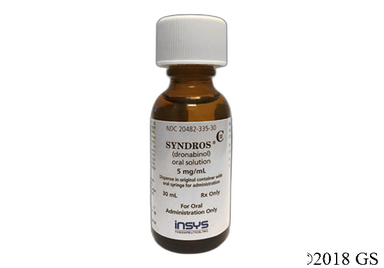
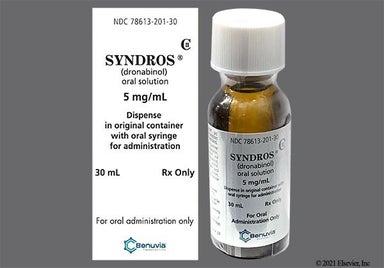
Syndros (dronabinol) oral solution is a cannabinoid that contains a lab-made form of delta-9-tetrahydrocannabinol (THC). It's FDA-approved to help improve appetite in adults with acquired immunodeficiency syndrome (AIDS) who have severe weight loss. It's also used to prevent nausea and vomiting from chemotherapy in adults. This medication is taken by mouth, typically multiple times a day. Syndros (dronabinol) is a Schedule II controlled substance because it carries a warning for the risk of misuse and dependence. Side effects of this medication include stomach pain, confusion, and sleepiness.

Syndros (dronabinol) is a cannabinoid. It's a synthetic (man-made) form of tetrahydrocannabinol (THC), which is an ingredient found in marijuana. Syndros (dronabinol) works by attaching to cannabinoid receptors in nerve cells to help with nausea and vomiting and improve appetite.
| Common Brands | Syndros |
|---|---|
| Drug Class | Cannabinoid |
| Controlled Substance Classification | Schedule II |
| Generic Status | No lower-cost generic available |
| Availability | Prescription only |

Syndros (dronabinol) can cause some serious health issues. This risk may be even higher for certain groups. If this worries you, talk to your doctor or pharmacist about other options.
People with certain mental health conditions, like mania, depression, or schizophrenia, might have worsening symptoms while taking Syndros (dronabinol). Tell your healthcare team if you have any mental health conditions. They might consider a different medication for you. Or, they might lower your dose of Syndros (dronabinol) and monitor you more closely for worsening symptoms during treatment.
Additionally, Syndros (dronabinol) can make you dizzy, sleepy, and affect your ability to concentrate. Don't drive, operate heavy machinery, or do any activity where you have to focus until you know how Syndros (dronabinol) affects you.
Syndros (dronabinol) might raise your risk of seizures. If you've had a seizure before, discuss with your prescriber to see whether Syndros (dronabinol) is right for you. If you experience a seizure, stop taking this medication and get medical attention right away.
Syndros (dronabinol) can raise or lower your blood pressure, raise your heart rate, and cause you to feel faint. Your risk is higher if you have a history of heart problems or if you're also taking other medications that affect your heart rate or blood pressure (e.g., stimulants, tricyclic antidepressants like amitriptyline, etc.).
Always make sure to move slowly from a lying down position to a sitting position, and then stand up slowly to allow your body to adjust to possible changes in blood pressure. If you fall and hit your head, get medical help right away. Contact your prescriber if you get lightheaded, dizzy, tired, weak, headache, changes in vision, chest pain, or short of breath.
Syndros (dronabinol) is a controlled (schedule II) medication because it has a risk of misuse and dependence. Let your healthcare team know if you've had any problems in the past with substance dependence, including with marijuana or alcohol. They talk with you about the risks and benefits of taking Syndros (dronabinol). If needed, they might recommend other options for your condition.
Although rare, Syndros (dronabinol) can have the opposite effect and lead to more nausea, vomiting, and stomach pain. Let your prescriber know if it seems like Syndros (dronabinol) is making your symptoms worse. They might need to lower your dose or stop the medication.
Don't take Syndros (dronabinol) with or within 2 weeks of disulfiram or metronidazole. Because Syndros (dronabinol) contains alcohol, taking it with these medications can trigger a disulfiram-like reaction and cause symptoms like stomach cramps, nausea, vomiting, and flushing. Before you start treatment, ask your healthcare team to help you check for interactions.

The following side effects may get better over time as your body gets used to the medication. Let your healthcare provider know immediately if you continue to experience these symptoms or if they worsen over time.
Contact your healthcare provider immediately if you experience any of the following.
Side effects that you should report to your care team as soon as possible:
Side effects that usually do not require medical attention (report these to your care team if they continue or are bothersome):




 Ml of oral solution
| Dosage | Quantity | Price as low as | Price per unit |
|---|---|---|---|
| 5mg/ml | 30 ml | $4,673.77 | $155.79 |


Contraindications are specific health conditions or situations in which a person should not take a medication due to safety concerns. If you have any of the following conditions or if any of the following apply to you, let your healthcare provider know because Syndros (dronabinol) will not be safe for you to take.






Prescription savings
Stop paying too much for your prescriptions. Compare prices, get pharmacy coupons, and save up to 80%. Find expert answers to your health questions so you can make the best decisions for yourself and your family.
Health conditions
Medications & treatment
Access & affordability
Medication discounts


Yes, Syndros is an FDA-approved medication. It received FDA approval in July 2016.
Yes, Syndros is a schedule II controlled substance because it has a risk of addiction, misuse, and dependence.
No, Syndros isn't a narcotic. The term "narcotic" typically refers to opioid pain medications. But Syndros is a cannabinoid.
Unopened bottles of Syndros should be stored in the refrigerator. Opened bottles can be stored at room temperature for up to 42 days (6 weeks). Write the 42-day expiration date upon opening the bottle so you don't accidentally use expired medication.
Syndros and Marinol both contain dronabinol and are FDA-approved to treat the same medical conditions. The main difference between them is that Syndros is an oral solution, whereas Marinol is a capsule. So Syndros might be a better option for people who have trouble swallowing. Talk to your prescriber about additional differences between these medications.
No, Syndros isn't recommended for use during pregnancy. It contains synthetic cannabinoid and alcohol, which can harm your unborn baby. If you're pregnant or thinking of becoming pregnant, let your prescriber know right away because you'll need to stop using Syndros.
