Key takeaways:
You shouldn’t mix metronidazole (Flagyl) and alcohol. The mixture could lead to nausea or vomiting, fast heart beat, and flushing of the face.
You should avoid alcohol while taking metronidazole and for at least 3 days after your last dose. People with liver problems or who take certain medications that interact with metronidazole may need to wait longer.
Speak with your medical care team if you don’t think you can stop drinking alcohol in order to take metronidazole. They can help you safely decrease how much you drink and suggest an alternative medication if needed.
Save on related medications
Metronidazole (Flagyl) is a versatile medication that’s FDA approved to treat many infections. It’s both an antibiotic and an antiparasitic. Healthcare professionals often prescribe this medication for bacterial vaginal infections and intestinal infections.
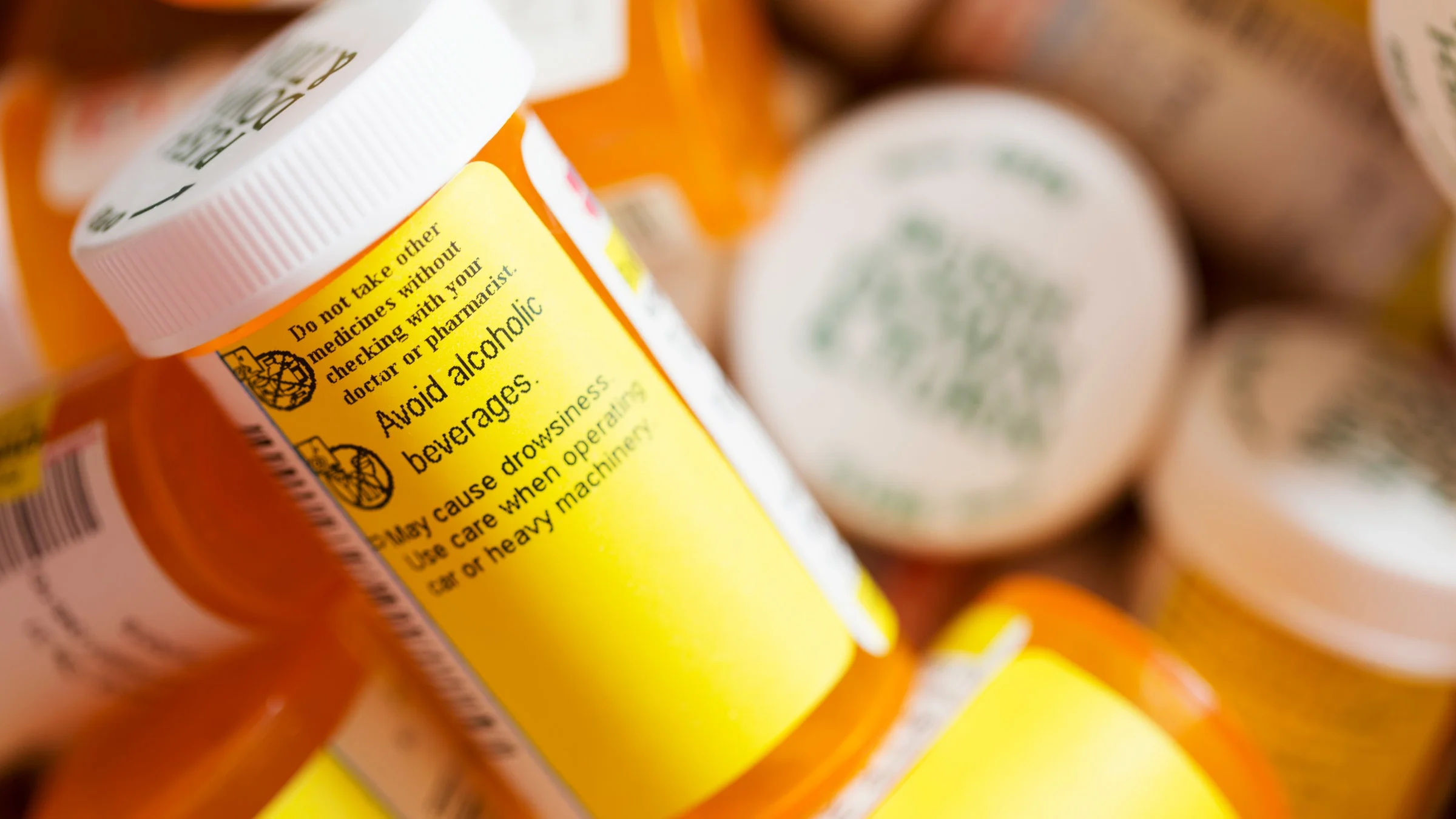
Metronidazole prescriptions come with a warning — to avoid alcohol while taking it. Many medications don’t mix with alcohol. But the interaction between metronidazole and alcohol is different from most.
Can you take metronidazole with alcohol?
In a word, no. You shouldn’t drink alcohol while taking metronidazole. Drinking alcohol with this medication is a contraindication. A contraindication is something you should avoid while taking a medication because it can cause serious harm.
But the research on this interaction isn’t straightforward. There are reports of alcohol leading to serious problems for people taking metronidazole. There’s even been a death linked to the combination.
But there’s also research saying the mixture doesn’t cause problems. Metronidazole’s warning is based on laboratory and animal studies as well as case reports. Large clinical trials in humans have never been conducted to confirm this interaction.
This is a situation where most healthcare providers will err on the side of caution. Because the studies don’t agree, and the potential risks are serious, it’s best to avoid mixing metronidazole and alcohol.
Is having 1 or 2 drinks OK?
Again, the research isn’t clear about this. To be safe, you shouldn’t drink any alcohol with metronidazole.
There are reports of this medication interacting with alcohol found in liquid medications, such as NyQuil Cold and Flu (acetaminophen / dextromethorphan / doxylamine) which contains 10% alcohol. The amount of alcohol used to produce these medications varies. Sometimes the alcohol content in liquid medications can be as high as in alcoholic beverages.
If liquid medications can interact with metronidazole, one drink might also cause problems.
How does alcohol interact with metronidazole?
Mixing metronidazole and alcohol can cause a disulfiram-like reaction. The reaction is similar to what happens if a person drinks alcohol with the medication disulfiram (Antabuse). Disulfiram causes unpleasant effects after drinking alcohol in someone with alcohol use disorder. It does this by preventing the body from breaking down alcohol, which causes a buildup of a toxic compound called acetaldehyde.
Symptoms of a disulfiram-like reaction can range from mild to severe and may include:
Nausea and vomiting
Sweating
Fast or racing heartbeat
Fast breathing
Dizziness
Flushing of the upper chest or face
Chest pain
Seizures
Abnormal heart rhythms
Slowed breathing
Loss of consciousness
Experts aren’t sure how metronidazole interacts with alcohol. The medication doesn’t seem to raise acetaldehyde levels like disulfiram does. More research is needed to better explain the interaction.
When can you start drinking after you’ve stopped taking metronidazole?
You should avoid alcohol for at least 3 days after your last dose of metronidazole. But you may need to wait longer if you have liver problems or take certain medications — like cimetidine (Tagamet) — that cause metronidazole to stick around in your body longer.
It’s a good idea to ask your medical care team when it may be safe for you to drink again. They can give you a more accurate answer based on your medical and medication histories.
How long does metronidazole stay in your system?
For most people, metronidazole may still be present in the body up to 50 hours (a little more than 2 days) after your last dose. But for people with liver problems, this time could be as long as 6 days. That’s why it’s important to check with your healthcare team before having a drink.
What should you do if you need to take metronidazole but are unable to stop drinking?
If you feel you’re unable to stop drinking, be honest with your medical care team. There may be alternative treatments available that don’t cause a disulfiram-like reaction.
Keep in mind that drinking alcohol isn’t recommended while taking any antibiotics. Alcohol can worsen common antibiotic side effects, such as nausea and diarrhea. What’s more, drinking alcohol can lengthen the time it takes for you to get better.
Your medical care team can also help you safely cut back on how much alcohol you drink. If you or someone you know struggles with alcohol dependency, you can get help by calling the Substance Abuse and Mental Health Services Administration (SAMHSA) National Helpline at 1-800-662-4357.
The bottom line
You shouldn’t combine metronidazole (Flagyl) and alcohol. Mixing the two may cause an uncomfortable or potentially dangerous reaction. Metronidazole and alcohol may cause nausea or vomiting, flushing, and even chest pain. Severe symptoms of this reaction can include seizures and abnormal heart rhythms.
Keep in mind that some liquid medications may contain alcohol. These medications can also interact with metronidazole. You should wait at least 3 days after your last dose of metronidazole before consuming alcohol. It’s best to discuss this interaction with your healthcare team before drinking. And let them know if you feel you’re unable to avoid alcohol while taking metronidazole so they can help protect your safety.

Why trust our experts?



References
Alonzo, M. M., et al. (2019). Disulfiram-like reaction with metronidazole: An unsuspected culprit. The Journal of Pediatric Pharmacology and Therapeutics.
A-S Medication Solutions. (2021). Metronidazole [package insert].
PD-Rx Pharmaceuticals, Inc. (2024). Metronidazole [package insert].
Borja-Oliveira, C. R. (2014). Alcohol-medication interactions: The acetaldehyde syndrome. Journal of Pharmacovigilance.
Center for Substance Abuse Treatment. (2009). Chapter 3—disulfiram. Incorporating Alcohol Pharmacotherapies Into Medical Practice. Substance Abuse and Mental Health Services Administration.
Center for Substance Abuse Treatment. (2009). Exhibit 3-2 possible effects of the disulfiram-alcohol reaction. Incorporating Alcohol Pharmacotherapies Into Medical Practice. Substance Abuse and Mental Health Services Administration.
Chandrasekaran, V., et al. (2018). The case for calling alcohol a drug: what about the alcohol in “drug formulations”? BMJ.
Cina, S. J., et al. (1996). Sudden death due to metronidazole/ethanol interaction. The American Journal of Forensic Medicine and Pathology.
DailyMed. (2023). Vicks Nyquil cold and flu.
Feldman, R., et al. (2023). Can metronidazole cause a disulfiram-like reaction? A case-control study propensity matched by age, sex, and ethanol concentration. WMJ.
Mergenhagen, K. A., et al. (2020). Fact versus fiction: A review of the evidence behind alcohol and antibiotic interactions. Antimicrobial Agents and Chemotherapy.
National Center for Biotechnology Information. (2024). PubChem compound summary for CID 4173, metronidazole.
National Institute on Alcohol Abuse and Alcoholism. (n.d.). Older adults.
National Institute on Alcohol Abuse and Alcoholism. (2021). Understanding alcohol use disorder.
Paladine, H. L., et al. (2018). Vaginitis: Diagnosis and treatment. American Family Physician.
Weir, C. B., et al. (2023). Metronidazole. StatPearls.