Key takeaways:
There are many potential health hazards in a new home.
It’s important to identify risks to your health and safety.
When a hazard is identified in a new home, steps can be taken to make your home healthy and safe.
Moving into a new home is exciting, but it is also one of the most stressful events in life. One part of moving into a new home is inspecting for and identifying potential health hazards. If hazards are identified, there are steps you can take to resolve them and make sure your home is safe. Keep reading to learn what health hazards to look out for when moving into a new home, and what to do about them.
What health hazards should you check for before you move into a new home?
There are many hazards to be sure to check before moving into a new house. The big threats to your health and safety in your home include:
Fires: This may be from electrical fires, kitchen accidents, or a clothes dryer.
Carbon monoxide: This is an odorless gas that can quickly and silently cause death.
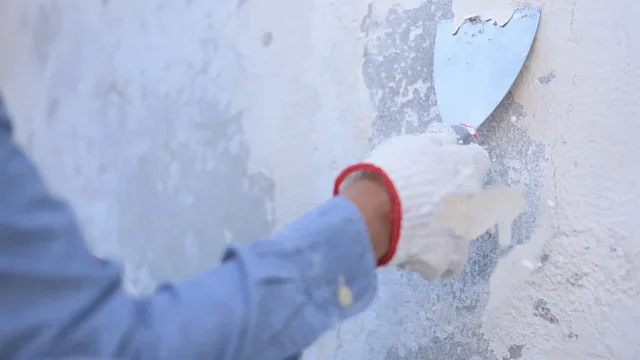
Lead: Lead is commonly found in paint or pipes in older houses, and it is particularly dangerous for young children. If your home was built prior to 1978, you can assume there is some lead-based paint.
Water damage and mold: Mold exposure can cause health issues such as worsening allergies or asthma.
Injuries: This may include risk of falls, burns, or cuts.
Pests: Pests such as rodents or cockroaches can cause health problems including asthma or allergies.
Asbestos: Asbestos is used in many construction materials and exposure in the air can lead to serious health problems.
Radon: Radon is a gas that is impossible to see or smell but is commonly found in homes and can be dangerous when inhaled. It is the second-leading cause of lung cancer.
Volatile organic compounds (VOCs): VOCs are gases that come from liquids such as paints or cleaning supplies and can cause allergies, headaches, or other symptoms.
Are there any DIY home tests you can use to check for hazardous materials?
A home inspection will check for many hazards, but you may have some additional concerns or want to do additional testing yourself. There are some DIY home tests that you may want to consider:
Lead paint: If you want to test your home for lead, you may consider home lead paint test kits. Not all home lead paint test kids will be accurate, so look for those that are approved by the EPA.
Radon: You can get kits to test for radon, which may be a good idea especially after a home renovation project.
Water quality: Home water tests can evaluate for many contaminants. Your local health department may offer free tests.
Air quality: You may consider testing your air quality with home air-quality monitors.
Importantly, there are some hazards you should not test for yourself, such as asbestos. Testing for asbestos can be dangerous since the risk of accidental exposure is high.
There is also no set standard or limit for mold, so home mold testing is not generally recommended.
What are the signs of being exposed to hazardous materials?
Hazardous materials in the home are dangerous because exposure to them is often silent and builds up over time. Symptoms may not show up until there has been significant — and sometimes deadly — exposure.
Some exposures may not cause health problems for decades down the road (such as asbestos or radon). Other exposures may show up with common allergy symptoms, and you may not realize that it’s from an exposure in your home (such as pests, mold, or VOCs).
What health issues are associated with lead paint?
Lead can build up in our bodies over time. It is especially dangerous for children or pregnant women since it can damage the brain and nervous system and lead to behavioral or developmental problems.
What health issues are associated with asbestos?
When asbestos is inhaled, it can damage the lungs and lead to chronic lung conditions like asbestosis as well as cancers including lung cancer and mesothelioma.
What health issues are associated with mold?
Mold can cause common allergy symptoms such as:
Congestion
Sore throat
Runny nose
Coughing
If you have underlying lung conditions or are immunocompromised, mold can cause more serious lung infections.
What should you do if you identify a hazard like mold, asbestos, or lead in your home?
If you find a hazard in your home, contact a professional to have it fixed or remediated — don’t try to fix it yourself. Depending on what you find, you may need to contact your local health department.
If you are in the process of buying a home, it’s a good idea to have hazards identified and taken care of prior to closing. You may need to do a special inspection for certain hazards to be identified, such as lead or radon testing. If a problem is identified, steps can be taken to resolve it. For example, lead paint, mold, and asbestos can be removed, and radon mitigation systems may be installed. Make sure the work is done by a professional with certification from the health department.
Does home insurance cover hazards such as asbestos, mold, or lead paint?
Most policies do not cover asbestos or lead removal. Some policies may cover mold damage. Home insurance policies vary, so check with your policy to see what is covered.
How can you keep your home safe from health hazards?
There are ongoing steps you can take to ensure your home stays safe from health hazards. These include:
Have appliances checked and cleaned every year, including your fireplace, furnace, water heater, and clothes dryer.
Have fire extinguishers readily accessible on all levels.
Install carbon monoxide detectors and fire alarms in each bedroom, outside bedrooms, and on each level of the house.
Check railings on stairs and balconies.
Address any trip or fall hazards such as on railings or steps.
Monitor for moisture and mold, and repair water damage and leaks.
Consider testing your drinking water if you have concerns.
Test radon regularly.
Consider an air purifier.
Professionally remove any lead paint hazards.
The bottom line
Moving into a new home is full of excitement, but discovering hazards to your health can be stressful and scary. It’s important to be aware of potential hazards in your home, evaluate them, and take steps to reduce risks — so that your home is a place of safety and health.

Why trust our experts?



References
Agency for Toxic Substances and Disease Registry. (2016). Health effects of asbestos.
Centers for Disease Control and Prevention. (2009). Chapter 4: Disease vectors and pests.
Centers for Disease Control and Prevention. (2021). Children.
Centers for Disease Control and Prevention. (2021). Lead.
Centers for Disease Control and Prevention. (2021). Mold.
Centers for Disease Control and Prevention. (2022). Radon.
Hope, P. (2017). How to test paint with a DIY lead test kit. Consumer Reports.
U.S. Department of Housing and Urban Development. (n.d.). Housing-related health and safety hazard assessment.
United States Environmental Protection Agency. (2005). Home water testing.
United States Environmental Protection Agency. (2021). Care for your air: A guide to indoor air quality.
United States Environmental Protection Agency. (2021). Find a radon test kit or measurement and mitigation professional.
United States Environmental Protection Agency. (2021). How can I tell if my home contains lead-based paint?
United States Environmental Protection Agency. (2021). Lead test kits.
United States Environmental Protection Agency. (2021). Mold testing or sampling.
United States Environmental Protection Agency. (2021). Protect your family from exposures to asbestos.
United States Environmental Protection Agency. (2021). Volatile organic compounds' impact on indoor air quality.