What Is Eczema? Causes, Symptoms, and Treatment
Comprehensive information for you or a loved one — including treatment options and discounts on popular medications.

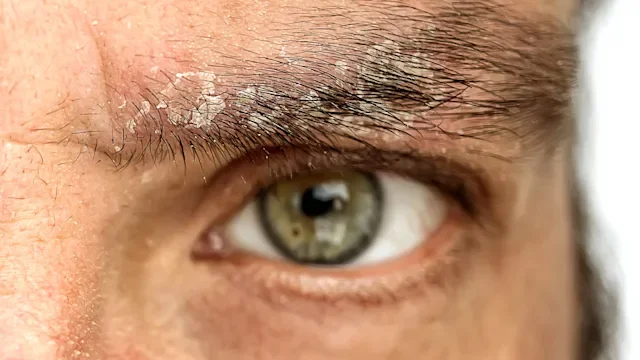
Eczema is a chronic skin condition marked by a rash with dry, itchy skin. The rash of eczema can have many different features, which vary from person to person. For some people, it can be a mild rash, affecting only a specific area of the body. For others, eczema can be severe and widespread, affecting many skin surfaces throughout the body.


There are several different types of eczema, including:
Atopic dermatitis (the most common)
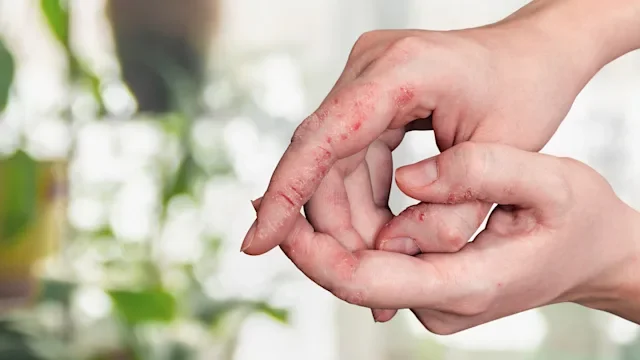
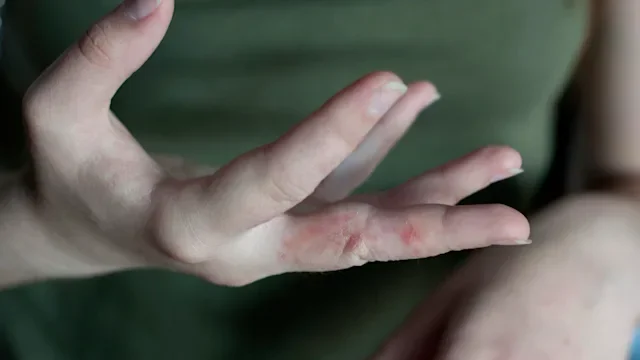
Dyshidrotic eczema (affects the hands and feet)
Contact dermatitis (caused by an allergen or irritant to the skin)
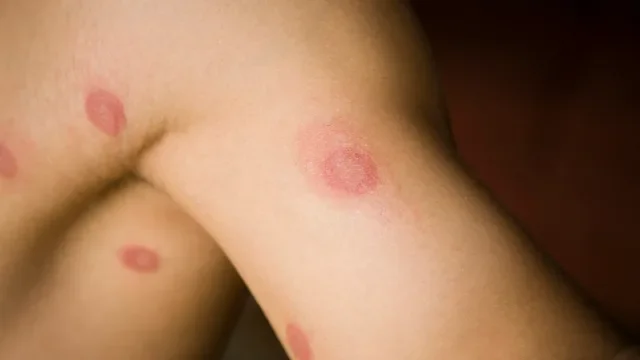
Nummular eczema (coin-shaped rash)
Stasis dermatitis (often in the lower legs and related to poor blood flow)
Seborrheic dermatitis (dandruff)
Eczema is a rash caused by inflammation in the skin. The exact reason for the inflammation isn’t entirely clear and depends on the type of eczema you have. There are likely many factors that can contribute to eczema, including:
Your genetics and family history
Immune function
Triggers
Stress
Some people with eczema have a genetic mutation in the protein filaggrin. This protein helps to keep the skin barrier intact and the skin moisturized. If you don’t make enough filaggrin, it may make your skin more prone to inflammation.
Your immune system also plays a role in eczema. There are certain immune system cells that can be overactive in eczema — leading to more inflammation.
There are many different triggers for eczema. These triggers may vary depending on the type of eczema you have. Common eczema triggers include:
Pet dander
Dust mites
Soaps and detergents
Perfumes
Excessive sweat and overheating
Certain clothing
Stress
Illness
Extreme weather changes
Eczema can happen in anyone, but it tends to peak in childhood. And it’s very common. In fact, over 30 million people in the U.S. are living with some form of eczema. People with eczema are more likely to have other health conditions, including:
Seasonal allergies
Food allergies
Asthma
Anxiety
Someone is also more likely to have eczema if they have a family history of either of these conditions.
Compare prices and information on the most popular Eczema medications.
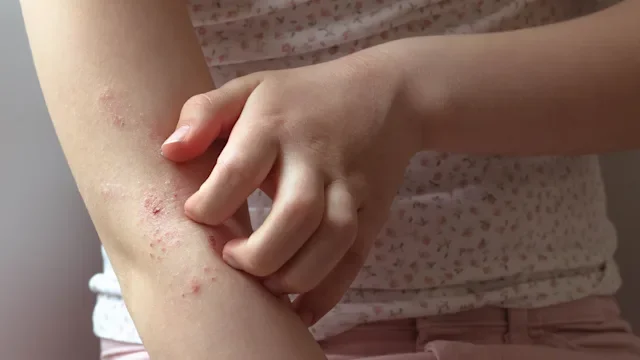
The most common symptom of eczema is an itchy rash that may come and go. The itching can be so severe that it disrupts your sleep or impairs your quality of life.
Other symptoms depend on the type of eczema you have and how severe it is. These other symptoms can include:
Scaly patches
Dry or leathery skin
Oozing or crusty patches
Fluid-filled blisters
Discolored skin
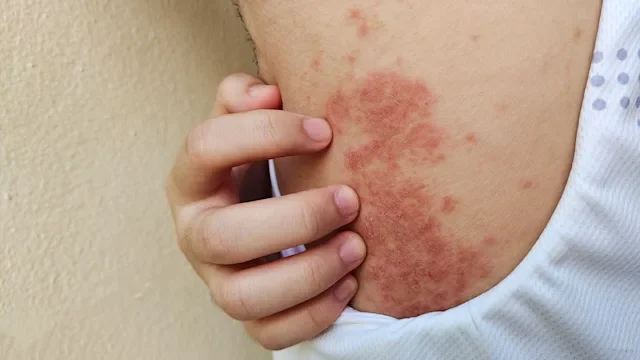
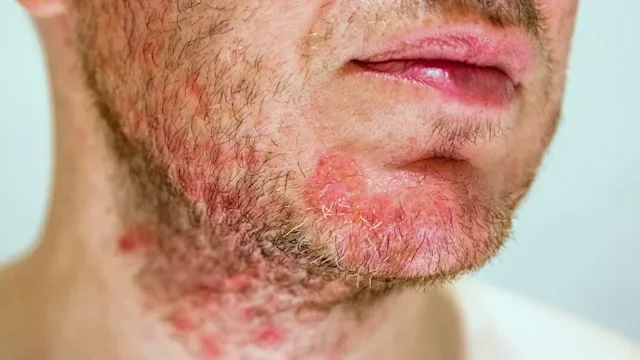
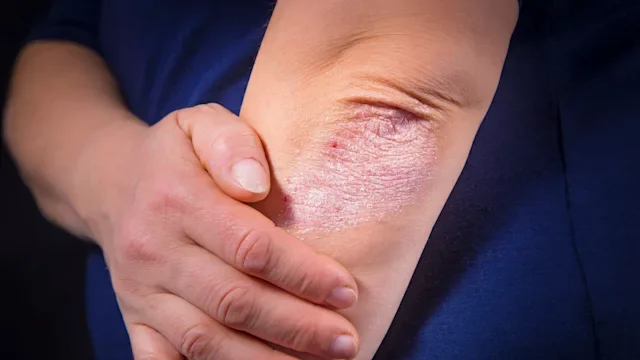
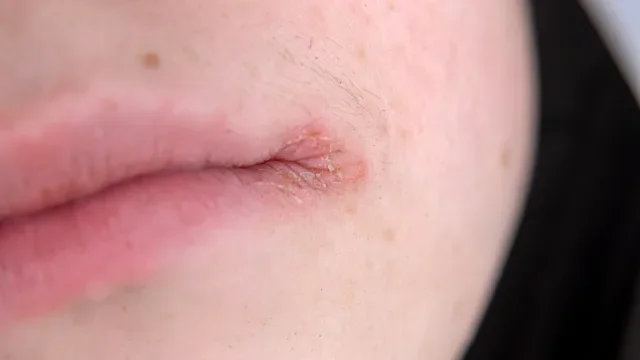
Eczema doesn’t look the same in everyone. The rash of eczema can vary widely depending on your age, skin tone, and the type of eczema you have.
In fairer skin, the eczema rash is usually pink or red. In darker skin tones, it may not appear red at all. The inflammation may cause the skin to look darker, gray, or purple. If you have concerns about eczema and have darker skin, try to find a healthcare professional who’s familiar with how eczema looks on pigmented skin.
The places eczema usually shows up on the body can change with age and depends on the type you have.
In infants and toddlers, eczema often appears on the:
Scalp (cradle cap)
Cheeks
Outer surface of the elbow
Knees
Torso (less common)
In older children and adults, eczema often shows up in body folds and creases. You can see the rash in areas like the:
Back of the neck
Eyelids
Hands
Feet
Elbow fold
Back of the knees
A healthcare professional can usually make the diagnosis of eczema using your history of symptoms and a physical exam. But there are times when the rash of eczema may look like other skin conditions.
Sometimes eczema looks like:
If a healthcare professional isn’t sure about the diagnosis, they may recommend further testing to confirm the diagnosis. This may include:
Skin biopsy: The healthcare professional removes a very small sample of skin. Then a specialist closely examines the sample under a microscope to see if the inflammation looks like eczema.
Patch test: Small patches with common allergens (things you may be allergic to) are put on your skin. If an itchy rash develops, you’re probably allergic to that specific allergen.
Treatment for eczema includes the use of:
Creams
Ointments
Prescription medications
Light treatment (phototherapy)
Which treatment you use depends on what type of eczema you have, how severe it is, and your preferences.
The goals of eczema treatment are clear skin, to minimize symptoms, and to reduce or eliminate flares. Treatment varies from person to person, and it may take a bit of trial and error to find the best plan for you.
Many types of medications work well for eczema. Treatment for mild eczema is usually topical (applied to the skin). And you can often use over-the-counter (OTC) medications to relieve symptoms. Some topical treatments are useful to treat skin dryness. Others work to reduce inflammation. And it’s common to combine different treatments at once.
If you have mild eczema, a healthcare professional may recommend treatment with:
OTC emollients (moisturizers), such as Aquaphor or Vaseline
Topical steroids, such as hydrocortisone or triamcinolone
PDE4 inhibitors, such as Eucrisa (crisaborole)
Calcineurin inhibitors, such as pimecrolimus or tacrolimus
Moderate to severe eczema may require systemic treatment. This may come in the form of oral medication or injections. These options include:
Systemic steroids, such as prednisone
Immunosuppressants, such as methotrexate and cyclosporine
JAK inhibitors, such as Rinvoq (upadacitinib) and Cibinqo (abrocitinib)
Immune modulators, such as Dupixent (dupilumab) and Adbry (tralokinumab)
Light therapy (phototherapy) may also help improve hard-to-treat or widespread eczema. Ultraviolet (UVB) light therapy is the most common type for eczema, and it’s an effective treatment. But it may take a couple of months of regular UVB therapy to see results.
In addition to medication, there are other lifestyle changes and home remedies that may help your eczema. Here are a few strategies that can help reduce eczema flare-ups:
Moisturize often: Moisturize at least twice a day, and apply it while your skin is still wet from bathing.
Use a humidifier: This can also help add moisture to your skin. This is especially important when your environment is dry.
Avoid irritants: Resist the urge to use harsh soaps, strong fragrances, or skin scrubs. All of these can irritate the skin.
Try wet wraps: Wrapping the skin in moist cloths overnight after applying moisturizer can soothe the skin. It can also help keep moisture in the skin.
Learn your triggers: Once you identify your triggers, do your best to avoid them to limit your eczema flares. Triggers may include certain foods, chemicals, or allergens.
Eczema is a chronic skin condition. This means many people will need long-term treatment. You’ll work with a healthcare professional to find a regimen that works for you. But it’s possible to control symptoms of eczema and limit how often it flares up.
While there’s no cure, children with eczema may sometimes outgrow eczema. This is more likely to occur if there’s no family history of eczema and if it’s mild.
Eczema is a chronic skin condition. This means many people will need long-term treatment. You’ll work with a healthcare professional to find a regimen that works for you. But it’s possible to control symptoms of eczema and limit how often it flares up.
While there’s no cure, children with eczema may sometimes outgrow eczema. This is more likely to occur if there’s no family history of eczema and if it’s mild.
Eczema isn’t contagious. The rash of eczema is caused by inflammation in the skin, and it’s not due to an infection. Eczema does tend to run in families and can be passed down to family members. But it’s not spread from one person to the next by touching the rash.
Sometimes, people confuse eczema with contagious rashes like scabies. But a healthcare professional can help you figure out the source of your rash.
If you have a new rash or changes in your skin, be sure to contact a healthcare professional. They can help make the diagnosis of eczema for you. You should also seek care if you have eczema but have developed new symptoms, your treatments no longer work, or your symptoms interfere with your quality of life. If you notice open sores, crusting, or red streaking on the skin, you may have developed a skin infection and should let a healthcare professional know.
American Academy of Dermatology Association. (n.d.). Is that eczema or an infection on my child’s skin?
American College of Allergy, Asthma & Immunology. (n.d.). Eczema.

Prescription savings
Stop paying too much for your prescriptions. Compare prices, get pharmacy coupons, and save up to 80%. Find expert answers to your health questions so you can make the best decisions for yourself and your family.
Health conditions
Medications & treatment
Access & affordability
 Our monthly healthcare membership can help you save thousands on your prescription costs.
Resources