Key takeaways:
Hyperglycemia (high blood sugar) can be a side effect of some common medications.
Sometimes, high levels of blood sugar are temporary and will settle when you stop taking the medication. But certain medications can increase the risk of developing Type 2 diabetes.
If your medications cause high blood sugar, you may need to closely check your levels and work with your healthcare team to adjust your medications.
Common symptoms of high blood sugar range from increased thirst, urination, and hunger to weight loss and fatigue.
Hyperglycemia, or a high level of blood glucose (blood sugar), is common in people with diabetes. Having high blood sugar can be harmful, and it’s why people with diabetes need to pay attention to how they eat and exercise. It’s also why they may need to take regular medication when diet and exercise aren’t enough.
Usually the body is really good at keeping blood glucose levels within safe limits. It’s very unusual for otherwise healthy people to have blood glucose levels that are too high or too low.
But certain drugs can raise blood sugar levels, including some very common ones. Sometimes, the increase in blood sugar is temporary and goes away when you stop taking the medication. But medications can also increase the risk of developing Type 2 diabetes in people who don’t have diabetes yet.
That’s not always a big deal. Sometimes the increased risk is so small that it doesn’t actually outweigh the benefits of taking the medication in the first place. But high blood sugar levels can become a problem. When that happens, there can be some easy fixes, like changing the medication or taking diabetes medications.
1. Corticosteroids
Steroids, like prednisone, are used to treat inflammation in lots of conditions, including rheumatoid arthritis, asthma, chronic obstructive pulmonary disease (COPD), and inflammatory bowel disease.
Steroids — taken either as pills or injection — can raise blood sugar levels while you’re taking them. (This is much less likely with inhaled steroids.) This can be a problem in people who already have diabetes and those who don’t have diabetes.
Increased blood sugar is more likely if you take higher doses of steroids over the long term. It’s also more common in people with risk factors for diabetes. This includes:
People with a family history of diabetes
Older adults
People with prediabetes or previous diabetes in pregnancy
Glucose levels typically go back to baseline when you stop taking steroids or when you take a lower dose.
2. Beta blockers
Beta blockers are medications that treat heart problems, like irregular heart rate and high blood pressure.
Examples of beta blockers include:
These beta blockers can increase blood glucose in people with diabetes and cause new Type 2 diabetes in people who didn’t have it before. This seems to happen because the beta blockers reduce how much insulin the pancreas makes.
But not all beta blockers do this. Carvedilol (Coreg) and nebivolol (Bystolic) don’t affect blood sugar levels or cause diabetes.
3. Hydrochlorothiazide and metolazone
Some other blood pressure medications, such as thiazide diuretics and thiazide-like diuretics, can have a similar effect. Like beta blockers, hydrochlorothiazide (HCTZ) and metolazone can increase blood sugar levels. They can also cause new Type 2 diabetes in as little as 9 to 18 weeks.
This seems to be more common the longer someone takes the medication. This also happens more often in people who have a higher risk of Type 2 diabetes. It’s not clear exactly how it happens. But it’s likely to be related to insulin production and how well the body responds to that insulin.
4. Statins
There may be a link between regular use of statins — medications that treat high cholesterol — and a small increase in glucose levels in certain people. Other studies have suggested a slight increase in hemoglobin A1C (HbA1C or A1C) levels, which are your average blood sugar levels over about 3 months.
Statins seem to cause cells in the body to become resistant to insulin, the hormone that helps move glucose out of the blood and into cells.
But there are mixed results. So, more research is needed to better understand how statins affect glucose management.
The risk is higher in people who take larger doses of statins, like 40 mg to 80 mg of atorvastatin (Lipitor) or 20 mg to 40 mg of rosuvastatin (Crestor) and simvastatin.
The risk is also higher for:
Older adults
People with risk factors for diabetes
People who already have prediabetes
For most people, especially those who already have diabetes, the benefit of taking statins far outweighs the small increased risk of Type 2 diabetes.
5. Quinolone antibiotics
One class of antibiotics — quinolones — has been linked to both high and low blood sugar levels in people with Type 2 diabetes. This is most common with the quinolone antibiotic gatifloxacin.
It’s probably best to avoid quinolone antibiotics if you’re older than 65 and have other risk factors for Type 2 diabetes. Other quinolones, like ciprofloxacin and moxifloxacin, don’t seem to have this effect.
6. Leuprolide and goserelin
Many men with prostate cancer get androgen deprivation therapy with medications like:
But the use of these medications has been linked to a significantly increased risk of developing Type 2 diabetes. The risk comes from an increase in body fat along with:
A decrease in muscle mass
A change in blood fat and cholesterol levels
7. Newer antipsychotics
Newer antipsychotics, like clozapine and olanzapine, cause an increase in blood sugar levels in people with diabetes, and they increase the risk of developing Type 2 diabetes. This is most likely because these medications cause weight gain. But this link hasn’t been seen with all antipsychotics.
Risperidone (Risperdal) and quetiapine (Seroquel) cause an increase in body weight. But studies are mixed on whether these medications are linked to an increase in diabetes.
8. Protease inhibitors to treat HIV
Protease inhibitors are one of six major classes of antiretroviral therapies for people living with HIV. And they have a long history of being linked to:
Weight gain
Metabolic syndrome
New diabetes diagnosis
In people with other risk factors for diabetes, it’s probably a good idea to avoid protease inhibitor medications like:
The good news is that there are now many alternatives to protease inhibitors. Other classes of medications don’t cause diabetes and high blood sugar levels, including:
Integrase strand transfer inhibitors (INSTIs): raltegravir, elvitegravir, dolutegravir, bictegravir
Non-nucleoside reverse transcriptase inhibitors (NNRTI): efavirenz, nevirapine
9. Immunosuppressants
Calcineurin inhibitor medications are commonly used after organ transplants. Examples of these are:
These medications have been linked to an increased risk of diabetes, especially in older adults and those who also take steroids. As many as 1 in 4 people develop diabetes for the first time during the 3 years after a kidney transplant.
Should you avoid these medications if you have diabetes?
If you have diabetes, taking medications that affect blood sugar levels can make it harder to stay within your target range. Your healthcare team can help you manage this. But, before starting new medications, it’s always worth reminding your prescriber and pharmacist that you have diabetes.
If the treatment is necessary, you may need to take more of your diabetes medication during treatment.
When to talk to a healthcare professional
It’s never too early to talk to your healthcare team about high blood sugar if you’re taking any of these medications. By being aware of the risk, you’ll be able to take steps early to reverse high blood sugar caused by medications.
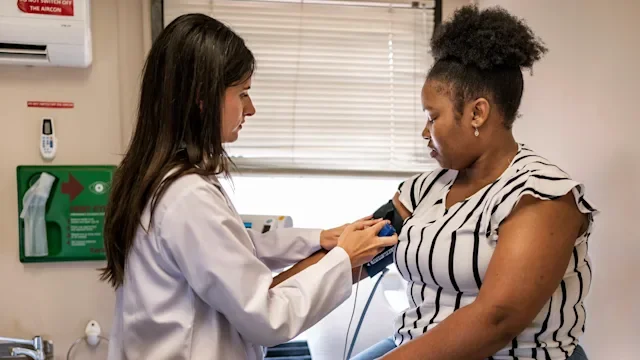
If you’re at risk for Type 2 diabetes, a healthcare professional can order regular blood glucose testing to make sure that the treatment stays safe for you.
If your blood sugar levels rise, you may need to make adjustments to your medications. This may mean taking a lower dose or switching to a different medication. In some cases, you may need treatment for high blood glucose.
Frequently asked questions
Certain statins may slightly raise blood sugar in some people. Some studies have shown that higher doses of atorvastatin (Lipitor), rosuvastatin (Crestor), and simvastatin have led to an increase in blood sugar. The risk of increased blood sugar is higher among older adults, people already living with prediabetes, and people at risk for diabetes. Remember, the benefit of a statin usually outweighs the small risk of increased blood sugar, especially for people already living with diabetes.
Certain dietary supplements, including vitamins and minerals, can interact with diabetes medications and raise your blood sugar. For example, taking high doses of niacin (vitamin B3) — 1,500 mg per day or more — can raise your blood sugar. Niacin is in many foods, including beef, chicken, and marinara sauce. But you won’t get the very high doses of niacin that can affect blood sugar levels from your diet alone. If you’re taking diabetes medications, be sure to talk with your healthcare team before taking a niacin supplement.
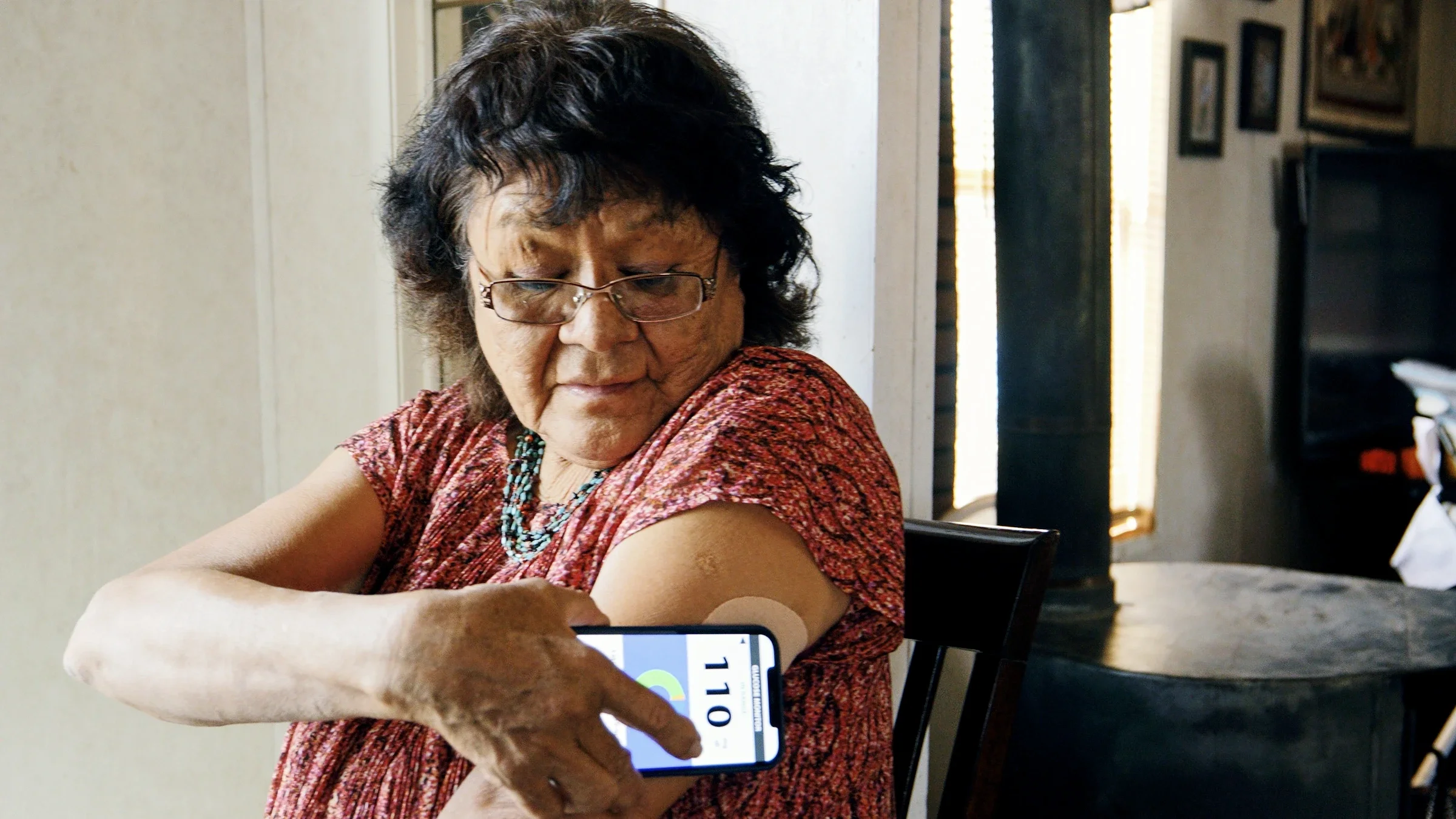
People living with diabetes often need to test their blood sugar before meals and at bedtime. If you have diabetes, your care team will let you know when and how often to test your blood sugar. They may also recommend a continuous glucose monitor (CGM), which monitors your blood sugar throughout the day.
Certain statins may slightly raise blood sugar in some people. Some studies have shown that higher doses of atorvastatin (Lipitor), rosuvastatin (Crestor), and simvastatin have led to an increase in blood sugar. The risk of increased blood sugar is higher among older adults, people already living with prediabetes, and people at risk for diabetes. Remember, the benefit of a statin usually outweighs the small risk of increased blood sugar, especially for people already living with diabetes.
Certain dietary supplements, including vitamins and minerals, can interact with diabetes medications and raise your blood sugar. For example, taking high doses of niacin (vitamin B3) — 1,500 mg per day or more — can raise your blood sugar. Niacin is in many foods, including beef, chicken, and marinara sauce. But you won’t get the very high doses of niacin that can affect blood sugar levels from your diet alone. If you’re taking diabetes medications, be sure to talk with your healthcare team before taking a niacin supplement.
People living with diabetes often need to test their blood sugar before meals and at bedtime. If you have diabetes, your care team will let you know when and how often to test your blood sugar. They may also recommend a continuous glucose monitor (CGM), which monitors your blood sugar throughout the day.
The bottom line
High blood glucose, or hyperglycemia, is when there’s too much glucose in the blood. It’s typical in diabetes, and certain medications can cause it. If you’re taking any medications that raise blood sugar, your healthcare team can set up a monitoring plan — especially if you have diabetes or risk factors for diabetes. Regular glucose testing can help you stay ahead of the problem and take action early.

Why trust our experts?


References
Ayers, K., et al. (2012). Differential effects of nebivolol and metoprolol on insulin sensitivity and plasminogen activator inhibitor in the metabolic syndrome. Hypertension.
Cooper-DeHoff, R. M., et al. (2009). Impact of abdominal obesity on incidence of adverse metabolic effects associated with antihypertensive medications. Hypertension.
Diabetes Care. (2004). Consensus development conference on antipsychotic drugs and obesity and diabetes.
Dumler, F., et al. (2007). Metabolic and nutritional complications of renal transplantation. Journal of Renal Nutrition.
Gianfrancesco, F. D., et al. (2002). Differential effects of risperidone, olanzapine, clozapine, and conventional antipsychotics on Type 2 diabetes: Findings from a large health plan database. The Journal of Clinical Psychiatry.
Goldberg, R. B. (2008). Effects of niacin on glucose control in patients with dyslipidemia. Mayo Clinic Proceedings.
Heart Protection Study Collaborative Group. (2002). MRC/BHF Heart Protection Study of cholesterol lowering with simvastatin in 20,536 high-risk individuals: A randomised placebo-controlled trial. The Lancet.
Jain, A. B., et al. (2024). Medication-induced hyperglycemia and diabetes mellitus: A review of current literature and practical management strategies. Diabetes Therapy.
Koh, K. K., et al. (2010). Atorvastatin causes insulin resistance and increases ambient glycemia in hypercholesterolemic patients. Journal of the American College of Cardiology.
Lipscombe, L. L., et al. (2009). Antipsychotic drugs and hyperglycemia in older patients with diabetes. JAMA.
Park-Wyllie, L. Y., et al. (2006). Outpatient gatifloxacin therapy and dysglycemia in older adults. The New England Journal of Medicine.
Rehman, A., et al. (2011). Drug-induced glucose alterations part 2: Drug-induced hyperglycemia. Diabetes Spectrum.
Ridker, P. M., et al. (2008). Rosuvastatin to prevent vascular events in men and women with elevated C-reactive protein. The New England Journal of Medicine.
Ridker, P. M., et al. (2013). Cardiovascular benefits and diabetes risks of statin therapy in primary prevention. The Lancet.
Sasaki, J., et al. (2006). Statins: Beneficial or adverse for glucose metabolism. Journal of Atherosclerosis and Thrombosis.
Tsai, H. T., et al. (2015). Risk of diabetes among patients receiving primary androgen deprivation therapy for clinically localized prostate cancer. The Journal of Urology.